“You’re telling me you poached salmon in rosé?” my friend asked, eyebrows arching over her glass. Honestly, I thought the idea sounded a bit fancy for a random weeknight. But that summer evening, when the kitchen was humming with the humdrum of busy days and the heat outside made the thought of a heavy meal unappealing, I decided to give it a shot. The rosé was leftover from a weekend barbecue, and I had a fresh salmon fillet just waiting to be cooked.
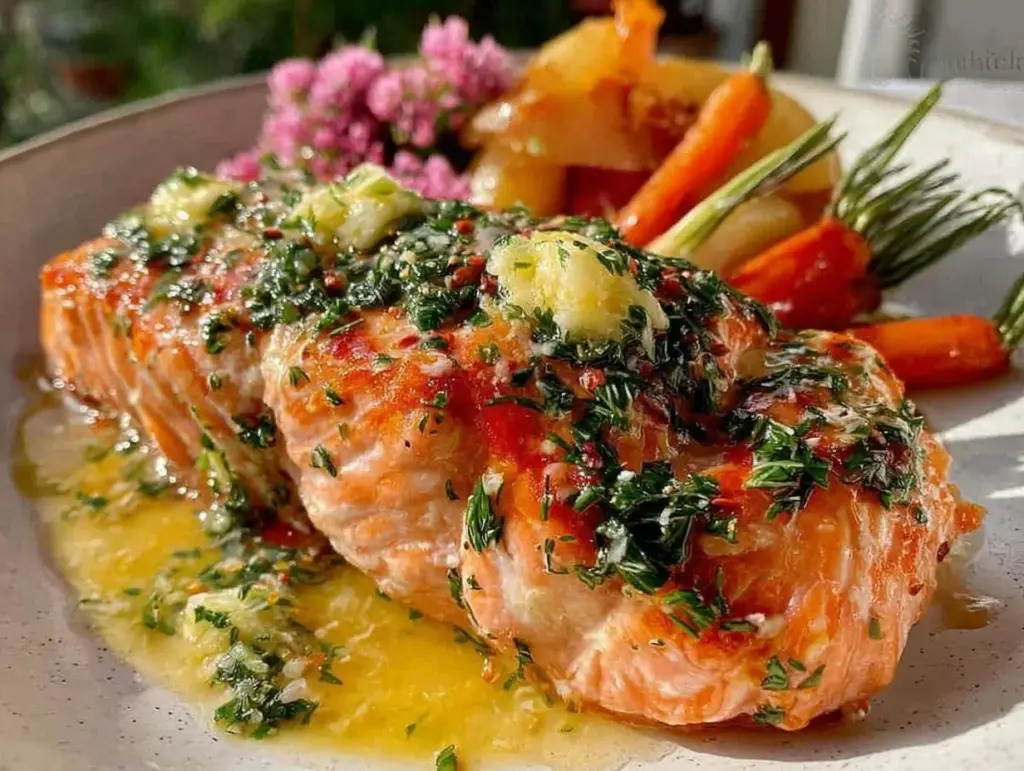
As the salmon gently simmered in the fragrant rosé bath, mingled with herbs and a hint of citrus, the kitchen filled with this delicate, almost floral aroma that was unlike any salmon dish I’d made before. The herb butter, melting slowly on top, added a silky richness that made every bite feel like a small celebration of summer itself. No fuss, no heavy sauces, just a quiet, elegant dinner that felt special without the stress.
That night, this Perfect Rosé Poached Salmon with Herb Butter became my go-to summer dinner whenever I wanted something light but still impressive. It’s the kind of dish that sneaks up on you — simple ingredients, straightforward technique, yet delivers a subtly luxurious result. And honestly, after a few tries, it was clear this recipe wasn’t just a one-time thing but a quiet staple for those warmer evenings when you want to savor something fresh, easy, and just a little bit different.
Why You’ll Love This Recipe
This Perfect Rosé Poached Salmon with Herb Butter recipe has been tested and tweaked over multiple summer nights, and here’s why it’s become a favorite in my kitchen:
- Quick & Easy: Ready in under 25 minutes, it’s perfect for busy weeknights or those impromptu dinners when you want something impressive but fuss-free.
- Simple Ingredients: No need to run to specialty stores — rosé, fresh salmon, butter, and herbs are often already in your kitchen or easy to grab.
- Perfect for Summer Dinners: The light poaching method keeps the salmon moist without heaviness, and the rosé adds a subtle fruity note that pairs wonderfully with warm-weather sides.
- Crowd-Pleaser: Whether it’s a casual meal or a small gathering, this recipe always gets compliments — especially from those who appreciate a touch of elegance without complicated cooking.
- Unbelievably Delicious: The silky texture from poaching, combined with the fresh herb butter, creates a flavor and mouthfeel that just feels like summer on a plate.
What makes this recipe different? Instead of the usual pan-seared or baked salmon, the rosé poaching liquid gently infuses the fish with a subtle tartness and floral aroma that’s unexpected but delightful. The herb butter is not just a topping but a flavor enhancer that melts into the salmon, giving each bite a luscious, buttery finish without overwhelming the delicate fish.
This recipe isn’t just dinner — it’s the kind of food that makes you slow down and appreciate the simplicity of a great meal paired with a glass of your favorite rosé. It’s a gentle reminder that sophisticated flavors don’t have to be complicated.
What Ingredients You Will Need
This recipe uses simple, wholesome ingredients to deliver bold flavor and satisfying texture without the fuss. Most are pantry staples or easily found at your local market, making this an accessible dish year-round.
- Fresh salmon fillets (about 6 ounces/170 grams each, skin-on or skinless depending on preference) – Choose wild-caught if possible for the best flavor and texture.
- Dry rosé wine (1 cup / 240 ml) – This is the star of the poaching liquid; I like whispering angel for its delicate fruitiness.
- Water (1 cup / 240 ml) – To balance the poaching liquid and keep it gentle on the fish.
- Unsalted butter (4 tablespoons / 60 grams, softened) – For the herb butter; using good quality butter makes a noticeable difference.
- Fresh herbs (2 tablespoons total, finely chopped) – A mix of parsley, dill, and chives works beautifully here.
- Garlic (1 small clove, minced) – Adds a subtle punch to the herb butter.
- Lemon juice (1 teaspoon / 5 ml, freshly squeezed) – Brightens the herb butter and balances the richness.
- Salt and freshly ground black pepper – To taste, seasoning both the poaching liquid lightly and the final dish.
- Optional aromatics for poaching – A few lemon slices or a sprig of thyme can be added to the poaching liquid for a gentle flavor boost.
For substitutions: If you prefer, swap the butter with a dairy-free spread to keep it dairy-free. You can also use sparkling rosé for a touch of fizz and extra aroma. When fresh herbs aren’t available, dried can work but use sparingly as they’re more concentrated.
Equipment Needed
- Wide, shallow pan or skillet with a lid – Ideal for gently poaching the salmon in a single layer.
- Small mixing bowl – To combine the herb butter ingredients smoothly.
- Fish spatula or thin slotted spatula – Helps to lift the delicate salmon without breaking it.
- Measuring cups and spoons – For precise liquid and herb measurements.
- Sharp knife and cutting board – For prepping herbs and lemon.
If you don’t have a lid that fits your pan, a large piece of aluminum foil works well to trap steam during poaching. Personally, I find a non-stick skillet the easiest to clean afterward, but a stainless steel pan will do just fine as long as it’s wide enough for the salmon.
For butter blending, a small rubber spatula or fork helps get the garlic and herbs evenly incorporated. I usually keep a set of silicone spatulas in the kitchen — they’re budget-friendly and last forever.
Preparation Method
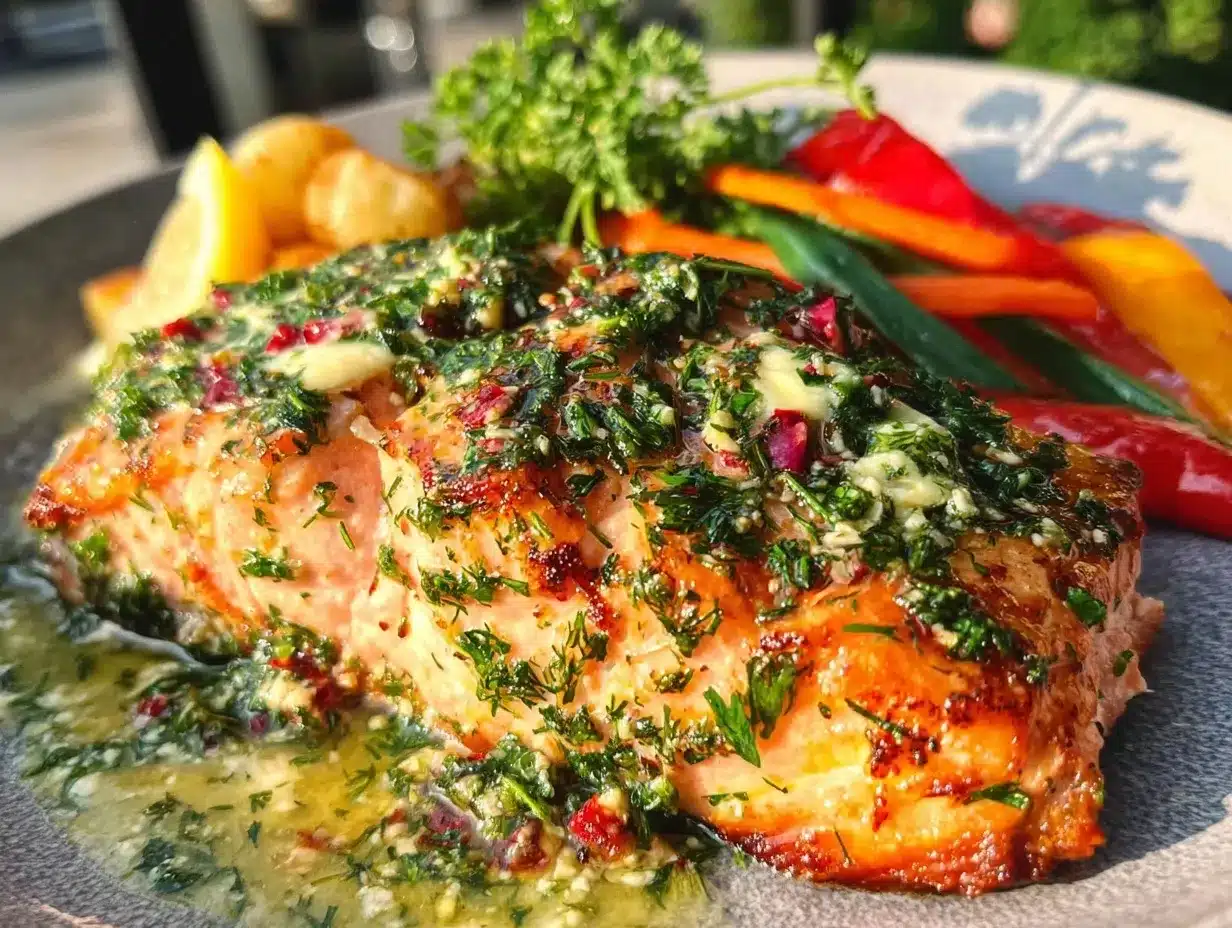
- Prepare the herb butter: In a small bowl, combine 4 tablespoons (60 grams) of softened unsalted butter with 2 tablespoons of finely chopped fresh herbs (parsley, dill, and chives), minced garlic, and 1 teaspoon (5 ml) of freshly squeezed lemon juice. Mix well until smooth and evenly combined. Set aside in the fridge to firm up while you prepare the salmon. (This step usually takes about 5 minutes.)
- Season the salmon: Pat the salmon fillets dry with paper towels. Lightly season both sides with salt and freshly ground black pepper. (Don’t over-salt here — the poaching process will mellow the flavors.)
- Make the poaching liquid: In a wide skillet or shallow pan, combine 1 cup (240 ml) of dry rosé wine with 1 cup (240 ml) of water. Add optional aromatics like a few thin lemon slices or a sprig of thyme if you want a subtle fragrance. Bring the liquid just to a gentle simmer over medium heat — you want small bubbles forming at the edges, not a rolling boil.
- Poach the salmon: Place the salmon fillets skin-side down (if skin-on) in the simmering poaching liquid. The liquid should partially cover the fish — if it doesn’t, add a bit more water or wine. Cover the pan with a lid or foil and lower the heat to maintain a gentle simmer. Poach the salmon for about 8-10 minutes (depending on thickness), until the flesh turns opaque and flakes easily with a fork. (If you’re unsure, test by gently pressing the thickest part — it should feel firm but tender.)
- Remove and rest: Carefully lift the salmon from the poaching liquid with a fish spatula, letting any excess liquid drip back into the pan. Place on a warm plate and let it rest for a minute or two. (This resting helps the texture settle, making the salmon silky, not mushy.)
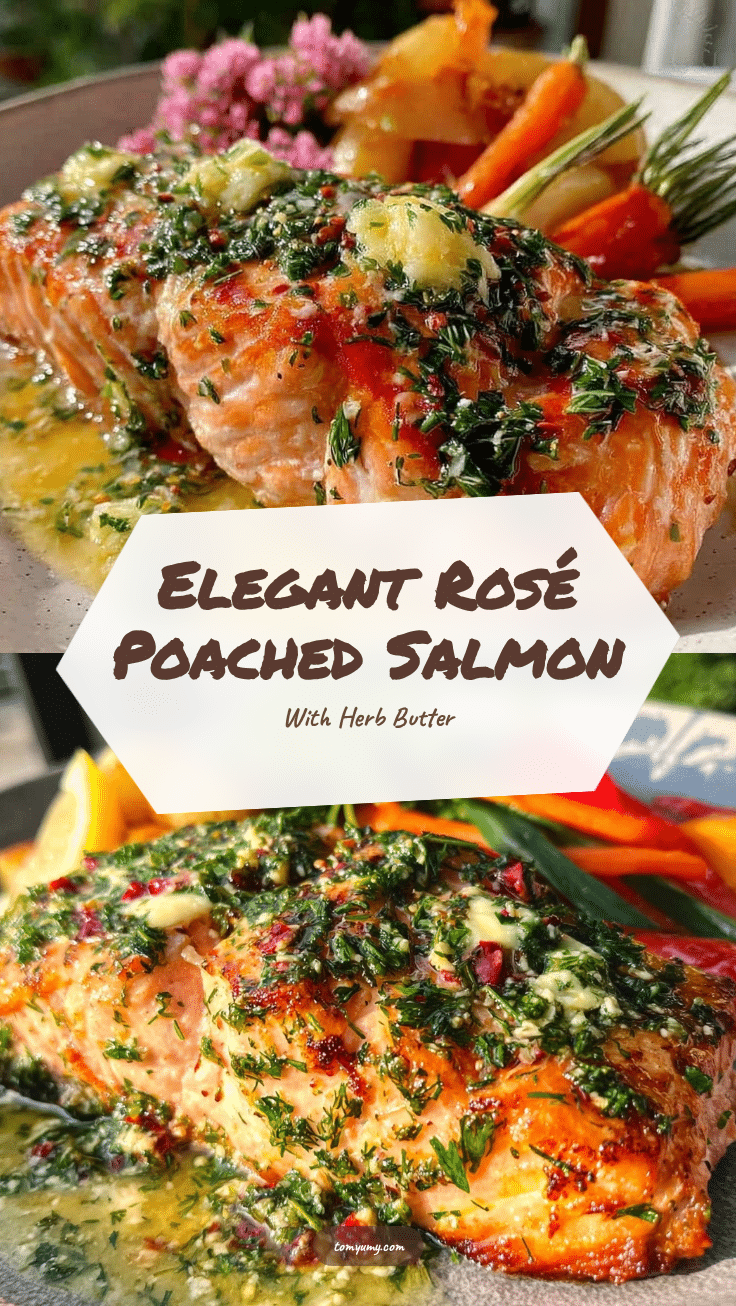
- Serve with herb butter: Spoon a generous dollop of the chilled herb butter over the warm salmon. As it melts, it creates a glossy, fragrant finish that’s hard to resist.
For best results, keep the poaching liquid at a steady gentle simmer — too hot and the salmon can become tough, too cool and it won’t cook evenly. I usually keep an eye on it and adjust the heat as needed. Also, don’t rush the resting step; it’s a little trick I learned that really makes a difference.
Cooking Tips & Techniques
Poaching salmon can sound intimidating, but it’s one of the gentlest ways to cook fish that keeps it moist and tender. Here are some tips I picked up after a few trial runs:
- Control the heat: Keep the poaching liquid at a low simmer, not a boil. Boiling water or wine will toughen the salmon’s delicate flesh quickly.
- Use fresh salmon: Fresher fish poaches more evenly and has a better texture. Wild-caught tends to have a firmer texture than farmed.
- Don’t overcrowd the pan: Give each fillet space so the poaching liquid can circulate around it, ensuring even cooking.
- Use a wide pan: A shallow pan helps the salmon cook evenly in the liquid and makes it easier to lift out without breaking.
- Check doneness by feel: The salmon should flake easily but still feel slightly springy — overcooking is easy, so watch closely after 8 minutes.
- Herb butter tip: Let the butter soften at room temperature before mixing. If it’s too cold, the herbs won’t incorporate well, and if too warm, it’ll be hard to shape or dollop.
One time, I got impatient and cranked up the heat to speed things along — the salmon turned rubbery, and the subtle rosé flavor was lost. Lesson learned! Slow and steady is the way here. Also, if you want to multitask, you can prepare the herb butter ahead and keep it chilled until serving.
Variations & Adaptations
This recipe is flexible and welcomes a few tweaks depending on your mood, dietary needs, or what’s in your pantry:
- Herb swaps: Use basil and tarragon instead of dill and parsley for a slightly sweeter, anise-flavored butter.
- Poaching liquid alternatives: Try sparkling rosé for a bit of effervescence, or substitute half the rosé with vegetable or chicken broth for a milder flavor. I’ve even used a dry white wine when rosé wasn’t handy.
- Cooking method switch: If you prefer, bake the salmon at 375°F (190°C) for 12-15 minutes, then top with the herb butter just before serving for a richer finish.
- Dairy-free option: Swap the butter for a vegan margarine or olive oil-based spread blended with herbs and garlic for a similar effect without dairy.
- Spice it up: Add a pinch of smoked paprika or cayenne to the herb butter for a subtle kick that contrasts nicely with the mild salmon.
Personally, I once tried adding a splash of fresh orange juice to the poaching liquid for a subtle citrus twist that was surprisingly fresh. It’s fun to experiment here — just keep the poaching liquid mostly wine and water to preserve the delicate texture.
Serving & Storage Suggestions
This rosé poached salmon is best served warm, just after plating with a generous dollop of herb butter. The butter melts slowly, coating the fish in a glossy, fragrant sauce that’s as beautiful as it is delicious. I like to serve it alongside fresh summer vegetables — think grilled asparagus, a crisp cucumber salad, or even a light quinoa pilaf.
Leftovers keep well in the refrigerator for up to 2 days if tightly wrapped. When reheating, warm gently in a low oven (about 275°F / 135°C) covered with foil to prevent drying out. Avoid microwaving if possible, as it can toughen the salmon.
Flavors deepen slightly after resting overnight, making this a great make-ahead dish for summer picnics or easy lunches. Just add fresh herb butter again before serving to bring back that fresh, buttery finish.
For pairing, a chilled glass of rosé is an obvious match, but a crisp Sauvignon Blanc or even a dry Riesling will complement the salmon nicely.
Nutritional Information & Benefits
This recipe offers a healthy dose of omega-3 fatty acids from the salmon, which are great for heart and brain health. Salmon is also an excellent source of high-quality protein and important vitamins like B12 and D.
The rosé poaching method helps keep the salmon moist without added oils, making it lower in fat than pan-fried alternatives. Using fresh herbs and lemon juice boosts flavor without extra calories.
Estimated nutrition per serving (one 6 oz / 170 g fillet with herb butter): approximately 350 calories, 22 g fat (mostly healthy fats), 34 g protein, and minimal carbohydrates.
This dish fits well into gluten-free, low-carb, and paleo-friendly diets. Just double-check that your butter and wine fit your dietary preferences if needed.
Conclusion
This Perfect Rosé Poached Salmon with Herb Butter is one of those recipes that quietly wins over your dinner guests and family without any drama. It’s straightforward enough for a casual weeknight but elegant enough for a summer dinner party. The delicate poaching in rosé wine paired with fresh herb butter creates a harmony of flavors that feels both light and indulgent.
Honestly, I love how adaptable it is — you can tweak the herbs or poaching liquid, swap cooking methods, or keep it classic. It’s become a small ritual in my summer cooking, a reminder that simple ingredients and gentle techniques can produce something truly special.
Give it a try and see how it fits into your routine — maybe alongside a side of crispy bacon-wrapped asparagus bundles or a light salad. I’d love to hear how you make it your own!
FAQs
Can I use frozen salmon for this rosé poached recipe?
Yes, but make sure to fully thaw the salmon in the fridge before poaching to ensure even cooking and avoid excess water diluting the poaching liquid.
What type of rosé wine works best for poaching salmon?
A dry rosé with light fruity and floral notes works best. Avoid sweet rosés, as they can overpower the delicate salmon flavor.
Can I poach the salmon ahead of time?
You can poach the salmon a few hours ahead and keep it chilled, but reheat gently before serving and add fresh herb butter for the best texture and flavor.
Is it necessary to use rosé wine, or can I substitute it?
While rosé adds a unique flavor, you can substitute with dry white wine, sparkling water, or broth if preferred, but the signature taste might change.
How do I know when the salmon is perfectly poached?
The salmon should be opaque and flake easily with a fork but still feel tender and moist. Check after 8 minutes, especially for thinner fillets.
Pin This Recipe!
Perfect Rosé Poached Salmon Recipe with Herb Butter for Easy Summer Dinner
A light and elegant summer dinner featuring salmon gently poached in dry rosé wine and served with a silky herb butter. This quick and fuss-free recipe delivers moist, flavorful salmon with a subtle fruity note.
- Prep Time: 10 minutes
- Cook Time: 10 minutes
- Total Time: 20 minutes
- Yield: 2 servings
- Category: Main Course
- Cuisine: American
Ingredients
- Fresh salmon fillets (about 6 ounces / 170 grams each, skin-on or skinless)
- Dry rosé wine (1 cup / 240 ml)
- Water (1 cup / 240 ml)
- Unsalted butter (4 tablespoons / 60 grams, softened)
- Fresh herbs (2 tablespoons total, finely chopped; parsley, dill, and chives)
- Garlic (1 small clove, minced)
- Lemon juice (1 teaspoon / 5 ml, freshly squeezed)
- Salt and freshly ground black pepper, to taste
- Optional aromatics for poaching: lemon slices or a sprig of thyme
Instructions
- Prepare the herb butter: In a small bowl, combine 4 tablespoons (60 grams) of softened unsalted butter with 2 tablespoons of finely chopped fresh herbs (parsley, dill, and chives), minced garlic, and 1 teaspoon (5 ml) of freshly squeezed lemon juice. Mix well until smooth and evenly combined. Set aside in the fridge to firm up while you prepare the salmon.
- Season the salmon: Pat the salmon fillets dry with paper towels. Lightly season both sides with salt and freshly ground black pepper.
- Make the poaching liquid: In a wide skillet or shallow pan, combine 1 cup (240 ml) of dry rosé wine with 1 cup (240 ml) of water. Add optional aromatics like a few thin lemon slices or a sprig of thyme if desired. Bring the liquid just to a gentle simmer over medium heat.
- Poach the salmon: Place the salmon fillets skin-side down (if skin-on) in the simmering poaching liquid. The liquid should partially cover the fish; add more water or wine if needed. Cover the pan with a lid or foil and lower the heat to maintain a gentle simmer. Poach for about 8-10 minutes until the flesh turns opaque and flakes easily with a fork.
- Remove and rest: Carefully lift the salmon from the poaching liquid with a fish spatula, letting excess liquid drip back into the pan. Place on a warm plate and let rest for 1-2 minutes.
- Serve with herb butter: Spoon a generous dollop of the chilled herb butter over the warm salmon and serve immediately.
Notes
Keep the poaching liquid at a gentle simmer to avoid toughening the salmon. Let the salmon rest after poaching to achieve a silky texture. Herb butter can be prepared ahead and chilled. For dairy-free option, substitute butter with vegan margarine or olive oil-based spread. Avoid boiling the poaching liquid.
Nutrition
- Serving Size: One 6 oz (170 g) sal
- Calories: 350
- Fat: 22
- Protein: 34
Keywords: rosé poached salmon, herb butter, summer dinner, easy salmon recipe, poached fish, light dinner, quick salmon recipe