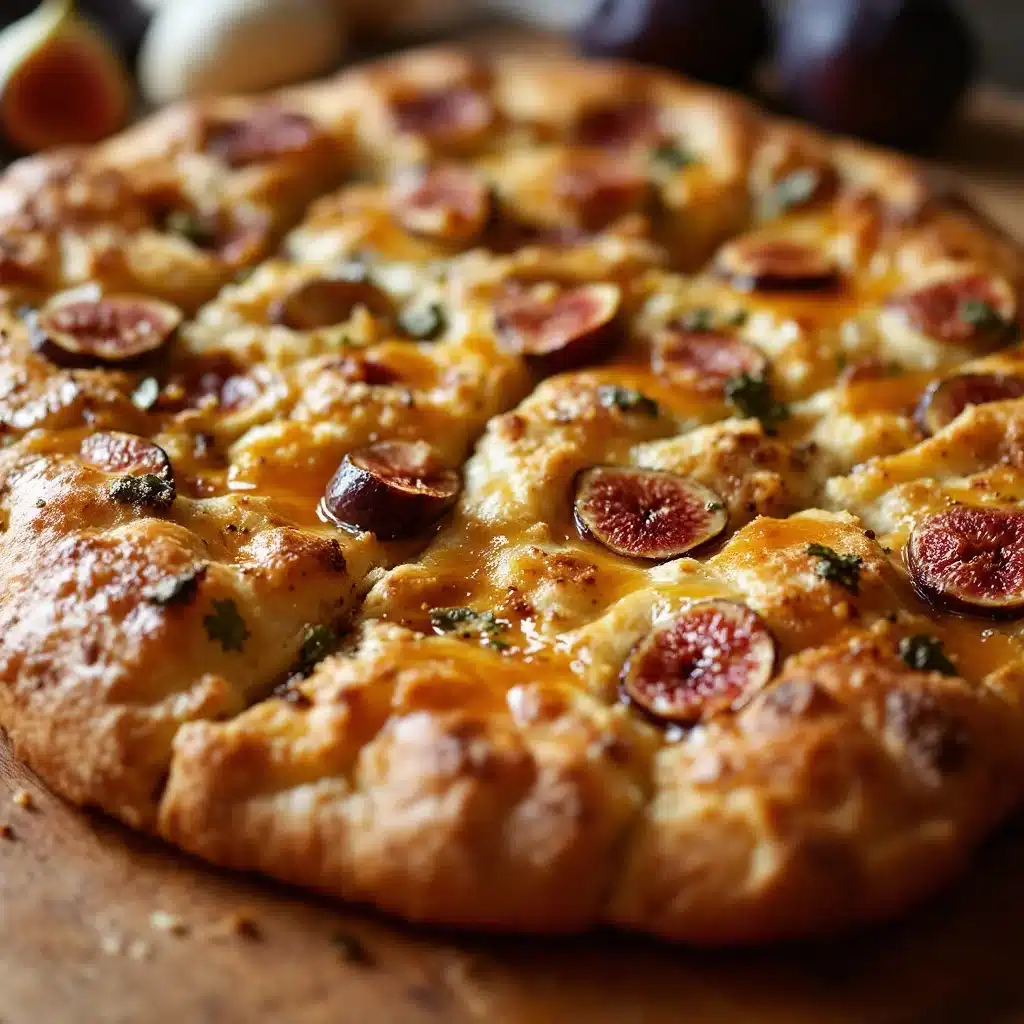
I burned my first sourdough focaccia to a charcoal crisp before I finally figured out why. It wasn’t just a little charred on the edges; it was a hard, blackened disk that smelled like a campfire gone wrong. I was trying to make that trendy crispy fig and honey sourdough focaccia everyone was posting on social media. You know the kind. Golden dimples, glistening with oil, studded with dark purple fruit. I wanted that. Instead, I got a brick that could have doubled as a doorstop.
The problem wasn’t the starter. It wasn’t even the figs. It was the honey. I drizzled it on top before the bread went into the oven, assuming the heat would just caramelize it nicely. Big mistake. Honey burns at a much lower temperature than the bread dough needs to bake at. So, while the inside was raw and doughy, the top was essentially candy corn made of ash. I stared at that pan for ten minutes, wondering if I should just throw it out or try to salvage it. I ended up scraping off the burnt bits and eating the raw middle with a spoon. It tasted like yeast and regret.
That failure taught me the most important lesson about this recipe. You have to respect the sugar. After a few more attempts, I started adding the honey *after* the bake, or mixing it into the dough but keeping the top clean until the very end. That’s when the magic happened. The crust turned into a shatteringly crisp shell, and the inside stayed soft and airy. The figs stayed plump and juicy instead of turning into jammy mush. Honestly, it was the best bread I’d ever made, mostly because I knew exactly what could go wrong.
Now, when I pull this crispy fig and honey sourdough focaccia out of the oven, the smell fills the whole house. It’s sweet, savory, and deeply comforting. I’ve made it for brunch, for dinner parties, and just for myself on lazy Sunday mornings. It’s become my go-to way to use up that overripe starter I keep in the fridge. If you’ve ever struggled with burnt tops or dense dough, this version is the one that finally got it right. It’s not perfect because it’s easy; it’s perfect because I learned from my mistakes so you don’t have to.
Why You’ll Love This Recipe
This isn’t just another bread recipe. It’s the result of years of trial, error, and a lot of burnt kitchen equipment. I’ve tested this crispy fig and honey sourdough focaccia dozens of times to get the texture exactly right. The goal was a crust that snaps when you break it, with a crumb that’s open, airy, and moist. Here is why this specific version stands out from the rest of the pack:
- Quick & Easy Prep: Unlike traditional sourdough loaves that require days of folding and waiting, this focaccia comes together quickly. The long, slow fermentation in the fridge does the heavy lifting for you. You can mix it up in the evening and bake it the next morning. It’s perfect for busy weeknights when you want something homemade but don’t have hours to spare.
- Simple Ingredients: You don’t need a specialty grocery store for this. Flour, water, salt, your sourdough starter, figs, and honey. That’s it. No fancy flours or obscure spices. You likely have everything you need in your pantry right now. It proves that good bread doesn’t need complicated ingredients to taste incredible.
- Perfect for Brunch or Dinner: This bread is incredibly versatile. Serve it warm with a pat of butter for breakfast alongside some coffee. Or, chop it up and serve it as a side dish for roasted chicken or a charcuterie board. It’s a crowd-pleaser that works for any meal of the day.
- Crowd-Pleaser: People lose their minds over this bread. The combination of salty olive oil, sweet honey, and tart figs is addictive. I’ve served it to people who claim they “don’t like bread,” and they always ask for the recipe. It’s the kind of dish that turns skeptics into fans with just one bite.
- Unbelievably Delicious Texture: The secret is the high-hydration dough and the hot pan. It creates those signature dimples that hold pools of olive oil, giving you a crispy, flavorful crunch with every bite. It’s comfort food reimagined—rustic, simple, but with a sophisticated flavor profile that feels like it came from a fancy bakery.
What makes this different from other focaccia recipes is the balance of sweetness and salt. Many recipes go too heavy on the honey, making it taste like a dessert. This version keeps the honey balanced by the salt in the dough and the savory olive oil. It’s not just good; it’s the kind of bread that makes you close your eyes after the first bite. It’s soul-soothing in a way that only fresh-baked bread can be.
What Ingredients You Will Need
This recipe relies on high-quality, simple ingredients to deliver bold flavor and satisfying texture without the fuss. The beauty of sourdough focaccia is that the flavor comes from fermentation and technique, not from a long list of additives. Here is what you need to make this crispy fig and honey sourdough focaccia, along with some tips on choosing the best items.
- Active Sourdough Starter: You need about 1 cup of bubbly, active starter. It should be at its peak rise. If your starter is sluggish, feed it a few hours before baking. I recommend using a well-established starter for the best flavor depth. A starter that’s been fed regularly will give you that distinct tangy aroma.
- All-Purpose Flour: Use about 3 cups (360 grams) of bread flour or all-purpose flour. Bread flour has more protein, which helps create that chewy, open crumb structure. If you can find a high-protein flour, that’s even better. Avoid cake flour, as it won’t provide enough structure.
- Warm Water: You’ll need about 1.5 cups (360 ml) of lukewarm water. The water should be around 80-85°F (27-29°C). If it’s too hot, you’ll kill the yeast. If it’s too cold, the dough won’t rise properly. Room temperature water works, but slightly warm water helps jumpstart the fermentation process.
- Fine Sea Salt: Use 2 teaspoons of salt. Salt is crucial for flavor and for controlling the yeast. Don’t skip it. I like to use flaky sea salt for finishing, but fine sea salt mixes better into the dough. It enhances the sweetness of the figs and honey.
- Extra Virgin Olive Oil: This is non-negotiable. You need a good quality olive oil for the pan and for drizzling on top. It creates that crispy, golden crust. I prefer a robust, fruity olive oil. Cheap oil can taste bitter when baked. Save the expensive stuff for finishing, but use something decent for baking.
- Fresh or Dried Figs: Use 1 cup of fresh figs, quartered, or 1 cup of dried figs, chopped. Fresh figs add a juicy burst, while dried figs add a chewy, concentrated sweetness. I like to use a mix of both for texture. Look for figs that are soft to the touch and have a deep color.
- Honey: Use 3-4 tablespoons of raw honey. Raw honey has more flavor than processed honey. Manuka honey is too expensive for this, but a local wildflower honey works beautifully. It adds a floral note that pairs perfectly with the figs.
- Optional Toppings: You can add rosemary leaves, thyme, or even some sliced almonds for extra crunch. I sometimes add a pinch of flaky salt on top after baking. It’s not necessary, but it adds a nice visual contrast and a salty kick.
If you are out of figs, you can substitute them with dried apricots or cranberries. The texture and sweetness profile will change slightly, but it will still be delicious. The key is to use dried or fresh fruit that isn’t too hard. Hard fruit won’t soften properly in the oven.
Equipment Needed
You don’t need fancy gadgets to make this bread, but having the right tools makes a huge difference. Here is what you’ll need:
- 9×13 Inch Baking Pan: A metal pan is best for even heating. Glass or ceramic pans can cause the bottom to burn. If you don’t have a 9×13 pan, you can use two 8×8 pans and split the dough. This might reduce the baking time slightly.
- Stand Mixer or Large Bowl: You can mix this by hand, but a stand mixer with a dough hook saves time. If mixing by hand, use a large bowl and a stiff spatula. The dough is wet and sticky, so a flexible spatula is essential.
- Plastic Wrap or Damp Towel: You need to cover the dough during its rise. Plastic wrap works well, but a damp kitchen towel allows the dough to breathe slightly. Don’t use a tight lid, as the dough needs to expand.
- Pastry Brush: A silicone pastry brush is great for drizzling olive oil and honey. It gives you control over where the oil goes. Paper towels work in a pinch, but a brush is cleaner and more precise.
- Cooling Rack: Let the bread cool on a rack so air can circulate underneath. If you let it cool in the pan, the bottom might get soggy from trapped steam. This step is crucial for maintaining that crispy texture.
If you don’t have a 9×13 pan, a cast-iron skillet works too. Just be careful not to overfill it, as the dough will spread. Cast iron holds heat well, so keep an eye on the bottom crust. It might brown faster than in a metal pan.
Preparation Method
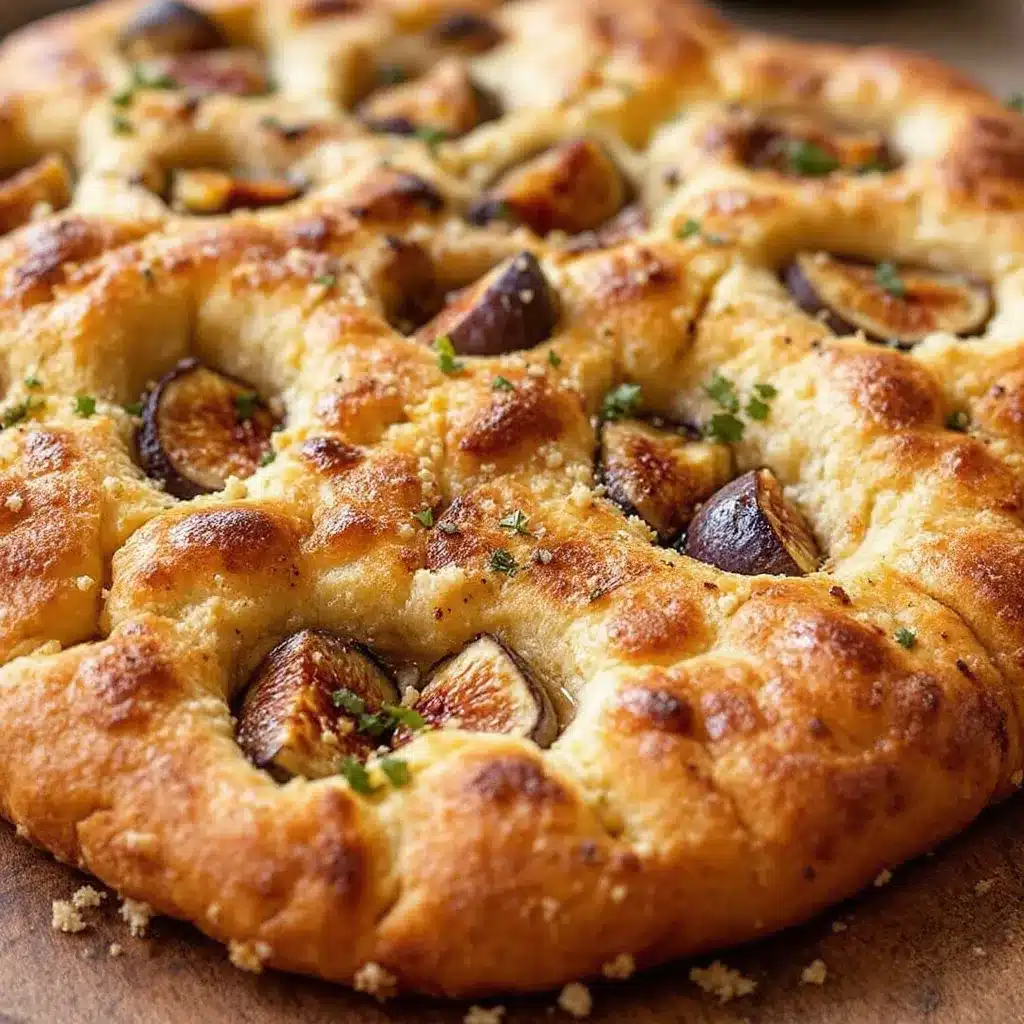
Follow these steps carefully to get the best results. The timing is important, so try to stick to the schedule.
- Mix the Dough (10 minutes): In a large bowl, combine the warm water, active sourdough starter, and flour. Mix until no dry flour remains. The dough will be very sticky and shaggy. Add the salt and mix again. If using a stand mixer, use the dough hook on low speed for 2-3 minutes. For hand mixing, just combine everything thoroughly. Don’t worry about smoothness at this stage.
- First Rise (4-6 hours): Cover the bowl with plastic wrap or a damp towel. Let it sit at room temperature for 4-6 hours. You want the dough to double in size and become bubbly. During this time, perform stretch and folds every 30 minutes for the first 2 hours. Wet your hands, grab a section of dough, stretch it up, and fold it over the center. This builds strength in the dough. After 2 hours, let it rest without folding.
- Cold Fermentation (12-24 hours): After the first rise, cover the bowl tightly and place it in the refrigerator. Let it cold ferment for 12-24 hours. This slow rise develops complex flavors and improves the texture. It also makes the dough easier to handle later. If you’re short on time, you can skip this step, but the flavor won’t be as deep.
- Prepare the Pan (1 hour before baking): Take the dough out of the fridge and let it come to room temperature for about an hour. Preheat your oven to 425°F (220°C). Generously oil your 9×13 baking pan with olive oil. Use about 3-4 tablespoons. Make sure to get the oil into the corners.
- Transfer and Dimple (10 minutes): Pour the oily dough into the prepared pan. It will be sticky. Use oiled hands to gently press and spread the dough into the corners. Don’t worry if it’s not perfect; it will stretch. Let it rest for 15 minutes to relax the gluten. Then, use your fingertips to press deep dimples into the dough. This is the classic focaccia look. Press all the way to the bottom.
- Add Toppings (5 minutes): Scatter the figs over the dough. Press them in slightly so they don’t fall off. Drizzle the honey evenly over the top. Be careful not to add too much honey, or it will burn. You can also add fresh herbs like rosemary or thyme now.
- Second Rise (30-60 minutes): Let the dough rise in the pan for 30-60 minutes. It should look puffy and filled with bubbles. If it rises too much, it might overflow. Watch it closely. The dough should jiggle slightly when you shake the pan.
- Bake (25-30 minutes): Place the pan in the preheated oven. Bake for 25-30 minutes. The bread should be golden brown and crispy on the edges. If the top is browning too fast, cover it loosely with foil after 15 minutes. The internal temperature should reach 190°F (88°C).
- Cool and Serve (30 minutes): Remove the bread from the oven and let it cool in the pan for 5 minutes. Then, transfer it to a cooling rack. Let it cool completely before slicing. This allows the crumb to set. Slice into squares and serve warm.
Cooking Tips & Techniques
Getting the perfect focaccia takes a bit of practice. Here are some professional tips to help you avoid common mistakes.
- Don’t Skip the Cold Ferment: I know it takes longer, but the overnight rest in the fridge is what gives this bread its flavor. Without it, the bread tastes like plain bread. With it, you get that complex, tangy sourdough taste.
- Handle the Dough Gently: Focaccia dough is wet and delicate. Don’t knead it like a baguette dough. Just stretch it into the pan. If you overwork it, you’ll develop too much gluten, and the bread will be tough instead of tender.
- Use Enough Oil: It might seem like a lot, but the oil creates the crust. Don’t be shy with the olive oil. If you use too little, the bread will dry out. The oil also helps the honey and figs caramelize nicely.
- Watch the Honey: As I mentioned earlier, honey burns easily. If you see the edges getting too dark, lower the oven temperature by 25°F for the last 10 minutes. Or, add the honey halfway through baking for a lighter color.
- Test for Doneness: Don’t just rely on time. Use a thermometer. If the internal temperature is below 190°F, the center might be gummy. If it’s above 200°F, the bread might be dry.
Another tip is to use a heavy baking pan. Thin pans can cause hot spots, leading to uneven baking. If your pan is thin, consider using a baking stone or steel on the rack below it to help distribute heat evenly.
Variations & Adaptations
This recipe is very flexible. Here are a few ways to change it up:
- Savory Version: Skip the honey and figs. Add chopped tomatoes, onions, and rosemary. Sprinkle with parmesan cheese. This makes a perfect savory side dish for pasta.
- Gluten-Free: You can use a 1:1 gluten-free flour blend. Note that the texture will be denser. You may need to add xanthan gum if your blend doesn’t include it.
- Vegan: This recipe is naturally vegan, as long as you use plant-based honey or agave syrup. Make sure your sourdough starter is vegan (no dairy added).
- Different Fruit: Swap figs for dried cranberries, apricots, or cherries. Each fruit brings a different flavor profile. Dried cranberries add a tartness that pairs well with the sweetness.
- Whole Wheat: Substitute half of the all-purpose flour with whole wheat flour. This adds a nuttier flavor and more fiber. The bread will be denser, but still delicious.
I once tried adding black olives and sun-dried tomatoes to this recipe. It was a bit too Mediterranean for my taste, but my husband loved it. It’s all about what you prefer. Feel free to experiment.
Serving & Storage Suggestions
This bread is best served warm, straight out of the oven. The crust is crispiest then. As it cools, it softens slightly, which is still delicious. Serve it with a side of olive oil and balsamic vinegar for dipping. It pairs well with roasted vegetables, grilled meats, or a simple salad.
To store, wrap the bread in plastic wrap or aluminum foil. It can be kept at room temperature for up to 2 days. For longer storage, freeze it. Wrap it tightly in plastic and then in foil. It will last for up to 3 months. To reheat, thaw it at room temperature and then warm it in a 350°F oven for 10 minutes. This restores the crispness.
If you refrigerate it, the bread will stale faster. Avoid the fridge unless you plan to eat it within a day. The cold air dries out bread quickly. For the best texture, always reheat frozen or room-temperature bread in the oven.
Nutritional Information & Benefits
This crispy fig and honey sourdough focaccia is a moderate-calorie treat. Each square (approx. 100g) contains about 250-300 calories, depending on the amount of oil and honey used. The sourdough fermentation process makes the nutrients more bioavailable. It has a lower glycemic index than regular yeast bread, meaning it won’t spike your blood sugar as quickly. The figs add fiber and antioxidants, while the olive oil provides healthy monounsaturated fats. It’s a better choice than many processed breads, but still enjoy it in moderation as part of a balanced diet.
Conclusion
Making this crispy fig and honey sourdough focaccia is a rewarding experience. It’s not just about the bread; it’s about the process. The smell of baking bread, the satisfaction of seeing it rise, and the joy of sharing it with others. I hope this recipe helps you create your own memories in the kitchen. Don’t be afraid to experiment with different toppings or flavors. Make it your own. If you try this recipe, please leave a comment below. I love hearing how it turned out for you. Share your photos on social media and tag me. I’d love to see your creations. Happy baking!
FAQs
Can I use dry yeast instead of sourdough starter?
Yes, you can. Use 2 teaspoons of active dry yeast. You may need to add a pinch of sugar to activate it. The flavor will be less complex than sourdough, but the texture will still be good.
Why is my focaccia dense?
This usually happens if the dough wasn’t allowed to rise enough or if the starter was inactive. Make sure your starter is bubbly and active before using it. Also, don’t skip the cold ferment; it helps develop the gluten structure.
Can I freeze the dough?
Yes, you can freeze the dough after the first rise. Let it thaw in the fridge overnight before proceeding with the second rise and baking. The texture might be slightly different, but it will still be edible.
What kind of figs work best?
Fresh figs in season are best. If they are out of season, dried figs work well. Just chop them into small pieces so they distribute evenly. Avoid canned figs, as they are too soft and watery.
How do I know when the bread is done?
The bread should be golden brown on top and bottom. The internal temperature should reach 190°F (88°C). If you tap the bottom, it should sound hollow. If it sounds dull, it needs more time.
Pin This Recipe!
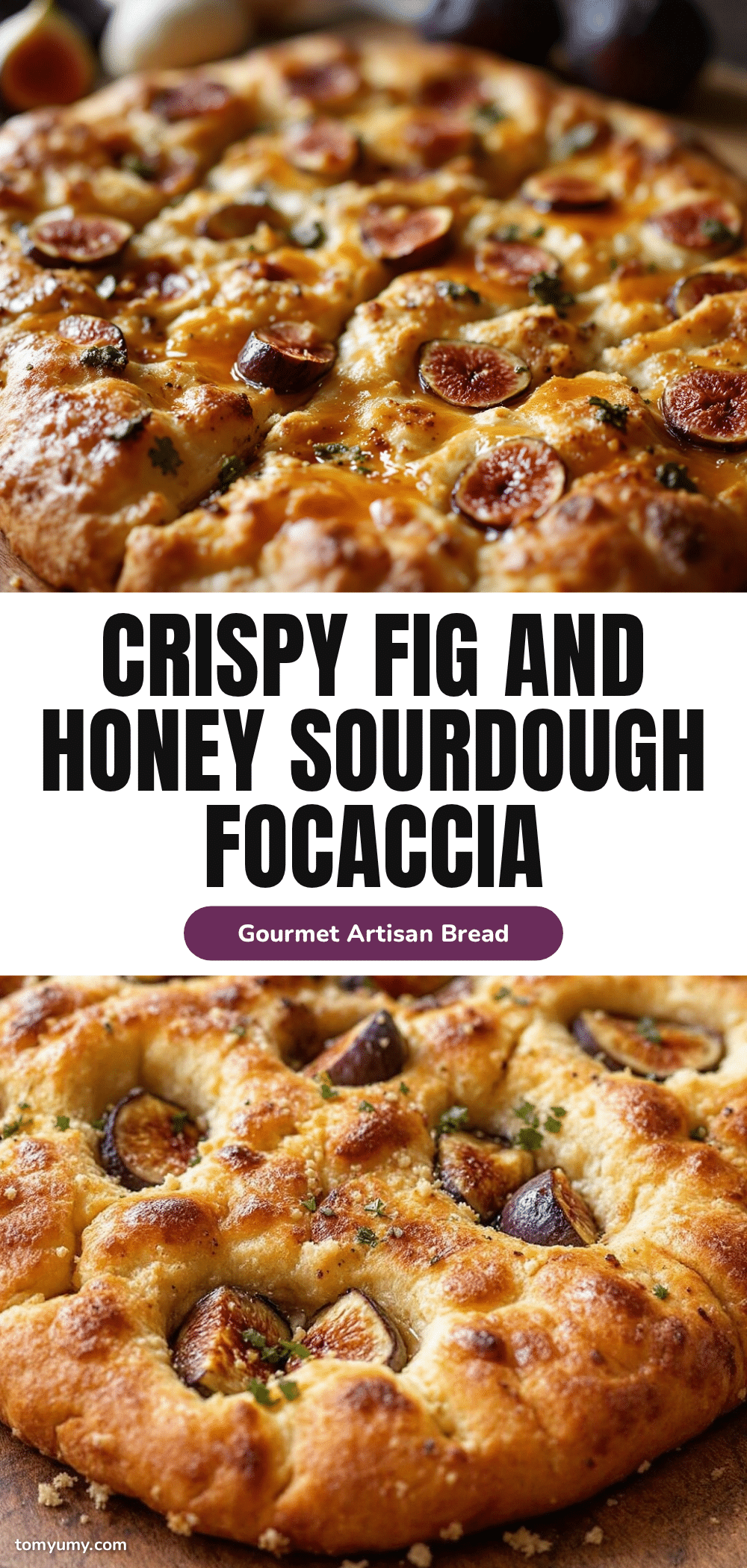
Crispy Fig and Honey Sourdough Focaccia

A rustic, high-hydration sourdough focaccia featuring a shatteringly crisp crust, airy interior, and sweet-tart toppings of fresh or dried figs and honey. This recipe utilizes a long cold fermentation for complex flavor and avoids burnt honey by adding it carefully.
- Prep Time: 30 minutes
- Cook Time: 30 minutes
- Total Time: 18 hours 30 minutes
- Yield: 12 servings 1x
- Category: Bread
- Cuisine: Italian
Ingredients
- 1 cup active sourdough starter (at peak rise)
- 3 cups (360 grams) bread flour or all-purpose flour
- 1.5 cups (360 ml) warm water (80-85°F / 27-29°C)
- 2 teaspoons fine sea salt
- 3–4 tablespoons extra virgin olive oil (for pan and drizzling)
- 1 cup fresh figs (quartered) or dried figs (chopped)
- 3–4 tablespoons raw honey
- Optional: Fresh rosemary or thyme leaves
- Optional: Flaky sea salt for finishing
Instructions
- Mix the dough: In a large bowl, combine warm water, active sourdough starter, and flour. Mix until no dry flour remains. Add salt and mix again. The dough will be sticky and shaggy.
- First Rise: Cover the bowl with plastic wrap or a damp towel. Let sit at room temperature for 4-6 hours until doubled in size. Perform stretch and folds every 30 minutes for the first 2 hours, then let rest.
- Cold Fermentation: Cover the bowl tightly and refrigerate for 12-24 hours to develop flavor and texture.
- Prepare Pan: Remove dough from fridge and let come to room temperature for 1 hour. Preheat oven to 425°F (220°C). Generously oil a 9×13 inch metal baking pan with 3-4 tablespoons olive oil.
- Transfer and Dimple: Pour dough into the oiled pan. Use oiled hands to gently press and spread dough into corners. Let rest for 15 minutes. Press deep dimples into the dough with fingertips.
- Add Toppings: Scatter figs over the dough, pressing them in slightly. Drizzle honey evenly over the top. Add optional herbs if desired.
- Second Rise: Let the dough rise in the pan for 30-60 minutes until puffy and jiggly.
- Bake: Bake for 25-30 minutes until golden brown and crispy. If browning too fast, cover loosely with foil after 15 minutes. Internal temperature should reach 190°F (88°C).
- Cool and Serve: Let cool in the pan for 5 minutes, then transfer to a cooling rack. Cool completely before slicing into squares.
Notes
Honey burns easily at high temperatures. If the top is browning too quickly, cover with foil or add honey halfway through baking. Ensure your sourdough starter is active and bubbly before using. Cold fermentation is crucial for flavor development. Do not skip the cooling step to allow the crumb to set.
Nutrition
- Serving Size: 1 square (approx. 10
- Calories: 275
- Sugar: 10
- Sodium: 350
- Fat: 12
- Saturated Fat: 2
- Carbohydrates: 38
- Fiber: 3
- Protein: 5
Keywords: sourdough focaccia, fig bread, honey focaccia, crispy focaccia, easy sourdough recipe, brunch bread, vegan bread