Why You’ll Love This Recipe
I’ve made this quick garlic butter shrimp pasta probably fifty times over the last few years. It started as a desperate attempt to feed myself on a Tuesday, and it quickly became the most requested dish in my house. There’s a reason this version stands out from the hundreds of shrimp pasta recipes you’ll find online. It’s not just about following instructions; it’s about understanding the balance of flavors. I’ve tested this recipe with different types of butter, various pasta shapes, and even different cooking methods to find the sweet spot. The result is a dish that is incredibly forgiving but still feels restaurant-quality.
- Quick & Easy: This recipe comes together in under 20 minutes. I’m talking about actual cooking time, not including the boiling of the water. It’s perfect for those weeknights when you’re starving and don’t have the energy to chop a dozen vegetables or wait for an oven to preheat. If you can boil water and stir a pan, you can make this.
- Simple Ingredients: You likely already have everything you need in your kitchen right now. Shrimp, butter, garlic, pasta, and a few pantry staples like lemon juice and parsley. No fancy grocery trips needed. You don’t need to hunt down exotic spices or expensive cuts of meat. This is about using what you have and making it shine.
- Perfect for Weeknight Dinners: Whether you’re rushing home from work or trying to get dinner on the table before the kids get home from soccer practice, this fits perfectly into a busy schedule. It’s also great for lazy weekend lunches when you want something warm and comforting without the commitment of a full roast or bake.
- Crowd-Pleaser: This dish always gets rave reviews. Kids who usually pick at their food will eat this without complaining, and adults will ask for seconds. The combination of sweet shrimp and rich garlic butter is universally liked. It’s a safe bet for potlucks, date nights, or just a quiet dinner for two.
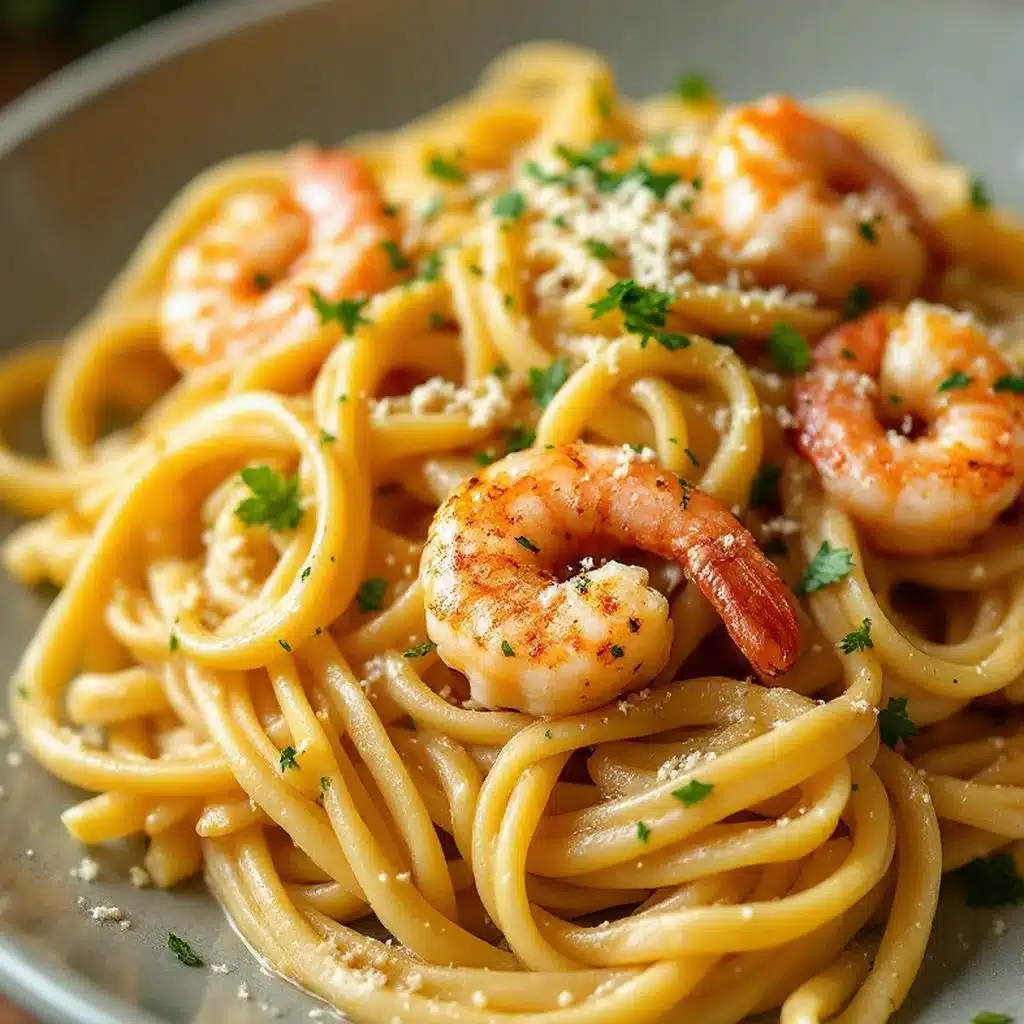
- Unbelievably Delicious: The texture and flavor combo is next-level comfort food. The shrimp are tender and juicy, the pasta is coated in a glossy, savory sauce, and the garlic adds that punchy aroma that makes your mouth water. It’s rich without being heavy, and it satisfies that craving for something savory and salty.
What makes this recipe different from the rest is the technique. Many recipes tell you to dump everything in at once, but that leads to soggy shrimp and bland sauce. I’ve learned through trial and error that searing the shrimp first creates a crust that locks in moisture. Then, using the same pan to make the sauce infuses it with all those flavorful brown bits left behind. It’s a small step that makes a huge difference. This isn’t just another version of shrimp pasta—it’s my best version, refined over years of cooking. It’s the kind of meal that makes you close your eyes after the first bite. It’s comfort food reimagined, faster and easier, but with the same soul-soothing satisfaction. It’s perfect for impressing guests without stress, or turning a simple meal into something memorable.
What Ingredients You Will Need
This recipe uses simple, wholesome ingredients to deliver bold flavor and satisfying texture without the fuss. The magic here is in the quality of the few items you use, so try to pick the best you can find within your budget. You don’t need anything obscure, just fresh and reliable staples.
- Shrimp: Use large or extra-large shrimp, peeled and deveined. Fresh is best, but frozen works perfectly fine if you thaw them properly. I prefer wild-caught shrimp for their firmer texture, but farm-raised is fine too. Look for shrimp that smell like the ocean, not fishy.
- Butter: Unsalted butter is key here because it allows you to control the saltiness. Use high-quality European-style butter if you can find it, as it has a richer flavor. I recommend brands like Plugra or Kerrygold for the best texture and taste. Salted butter can work, but reduce the added salt in the recipe.
- Garlic: Fresh garlic is non-negotiable. Pre-minced garlic from a jar lacks the brightness and punch that fresh cloves provide. Use about four to five cloves, depending on how much you love garlic. Freshly minced garlic cooks faster and distributes flavor more evenly.
- Pasta: Spaghetti is the classic choice, but linguine or fettuccine work just as well. The long strands hold the butter sauce nicely. Look for bronze-die pasta if possible, as it has a rougher texture that grabs the sauce better than smooth, extruded pasta.
- White Wine: A dry white wine like Sauvignon Blanc or Pinot Grigio adds acidity and depth. You don’t need to spend a lot on this; a cheap bottle is fine. If you don’t drink alcohol, you can substitute with chicken broth or extra lemon juice.
- Lemon: Fresh lemon juice and zest are essential. They cut through the richness of the butter and brighten the dish. Use one whole lemon, juiced and zested, to get that perfect balance of tartness.
- Parsley: Fresh flat-leaf parsley adds a pop of color and a fresh, herbal note. Dried parsley won’t give you the same vibrant flavor, so fresh is preferred. Just a handful, chopped roughly.
- Red Pepper Flakes: Optional, but recommended if you like a little heat. A pinch adds complexity without overwhelming the other flavors. Adjust based on your spice tolerance.
- Salt and Black Pepper: To season the shrimp and the pasta water. Use kosher salt for best control.
Keep this section scannable. If you’re out of white wine, don’t worry. Substitutions are easy. For a gluten-free option, use gluten-free pasta, but rinse it less to keep the starch for the sauce. These simple swaps make the recipe accessible to everyone.
Equipment Needed
You don’t need a fancy kitchen to make this. A large skillet is the star of the show. I use a 12-inch stainless steel skillet because it heats evenly and allows me to sear the shrimp properly without steaming them. If you don’t have a large skillet, a wok or a deep sauté pan works too. You’ll also need a pot for boiling the pasta and a colander. A microplane or zester is helpful for getting that lemon zest, but a regular grater works in a pinch. I’ve tried using non-stick pans, but they don’t give the shrimp that nice brown crust. Stainless steel or cast iron is better for this. If you’re on a budget, a good quality non-stick pan is fine, just be careful not to burn the butter. Keep your tools simple and clean.
Preparation Method
Start by boiling a large pot of salted water. Add a generous amount of salt, like you would for sea water. This is the only chance to season the pasta itself. Drop in your spaghetti and cook according to the package directions, but check it one minute early. You want it al dente, firm to the bite. Reserve about one cup of the starchy pasta water before draining. This liquid is gold for the sauce.
While the pasta cooks, prep the shrimp. Pat them dry with paper towels. Moisture is the enemy of a good sear. If the shrimp are wet, they’ll steam instead of brown. Season them lightly with salt and pepper. In your large skillet, melt two tablespoons of butter over medium-high heat. Once the foam subsides, add the shrimp in a single layer. Don’t crowd the pan; do it in two batches if necessary. Sear for about two minutes per side until they are pink and opaque. Remove them to a plate. Don’t overcook them, or they’ll get rubbery.
In the same pan, reduce the heat to medium. Add the remaining butter. Once melted, add the minced garlic and red pepper flakes. Sauté for about one minute, until fragrant. Be careful not to burn the garlic, or it will turn bitter. Pour in the white wine and let it simmer for two minutes to reduce slightly. Add the lemon juice and zest. Stir to combine.
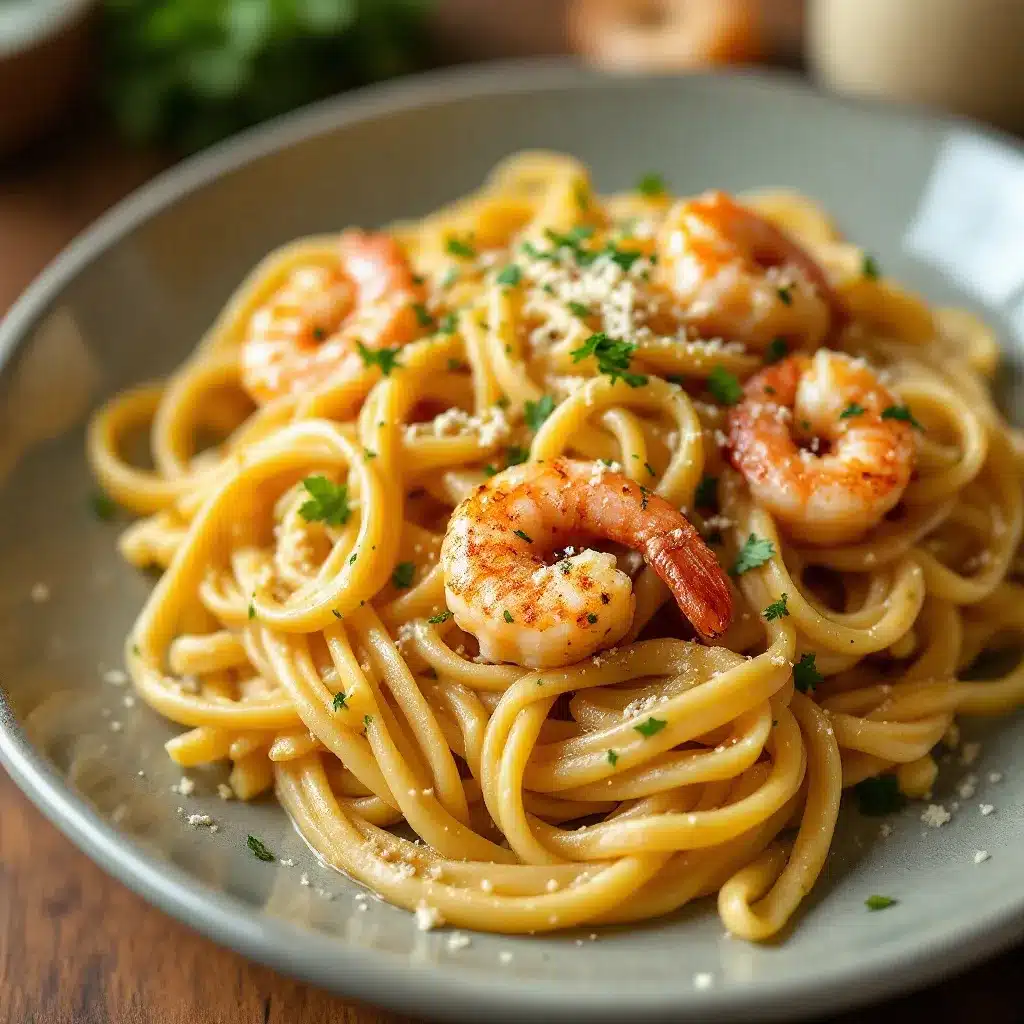
Add the drained pasta to the pan with the sauce. Toss everything together, adding splashes of the reserved pasta water as needed to create a glossy, emulsified sauce. The starch in the water helps the sauce cling to the noodles. Return the shrimp to the pan, tossing gently to heat them through. Taste and adjust seasoning with more salt or pepper if needed. Remove from heat and stir in the fresh parsley. Serve immediately with extra lemon wedges and grated Parmesan if you like.
Cooking Tips & Techniques
One common mistake is overcooking the shrimp. They cook very quickly, so keep an eye on them. Once they turn pink and form a C-shape, they are done. If they curl into an O-shape, they are overcooked. Another tip is to not skip the pasta water. That starchy liquid is what turns a thin, oily sauce into a creamy, cohesive coating. Add it slowly, a quarter cup at a time, until you reach the consistency you like. I once burned a batch of garlic because I walked away for a second. Lesson learned: garlic burns in seconds. Keep the heat moderate and stir constantly. Multitasking is key here. Boil the water while you prep the shrimp, and start the sauce while the pasta finishes. This keeps the whole process moving smoothly. For consistency, use the same brand of pasta and butter each time you make it, so you know exactly how it should taste and look.
Variations & Adaptations
This recipe is a canvas for your creativity. For a lighter version, swap half the butter for olive oil. It reduces the richness but keeps the flavor. If you want more veggies, throw in some cherry tomatoes or spinach. Add the tomatoes with the garlic and the spinach at the very end, just to wilt. For a spicy kick, add more red pepper flakes or a dash of hot sauce. I once tried adding a splash of cream, and it was delicious, though it changed the dish into a richer Alfredo-style sauce. For a vegetarian option, replace the shrimp with grilled halloumi or chickpeas. If you have seafood allergies, stick to the vegetable variations. The base sauce works with almost anything.
Serving & Storage Suggestions
Serve this dish hot, straight from the pan. It looks best garnished with extra parsley and a sprinkle of Parmesan cheese. It pairs well with a simple green salad or some crusty bread to soak up the sauce. A glass of the same white wine you used in the cooking goes perfectly. For storage, let the leftovers cool completely, then store them in an airtight container in the refrigerator for up to three days. The flavors actually develop overnight, becoming more cohesive. To reheat, add a splash of water or broth to the pan and warm gently over low heat. Avoid the microwave, as it can make the shrimp rubbery. The sauce may separate when reheated, but a good stir will bring it back together.
Nutritional Information & Benefits
This dish is a good source of protein from the shrimp and carbohydrates from the pasta. Shrimp are low in calories and high in selenium and vitamin B12. The butter adds richness and fat-soluble vitamins, but it is high in saturated fat, so enjoy in moderation. For a lower-carb option, use zucchini noodles or shirataki noodles instead of pasta. The dish is naturally gluten-free if you use gluten-free pasta. It is not suitable for those with shellfish allergies. From a wellness perspective, this meal provides quick energy and satisfying flavors, making it a good choice for active individuals. It’s not a diet food, but it’s a balanced meal when eaten in reasonable portions.
Conclusion
This quick garlic butter shrimp pasta is worth trying because it delivers maximum flavor with minimum effort. It’s a reminder that simple ingredients, cooked with care, can create something truly special. I encourage you to customize it to your taste, adding your favorite herbs or veggies. I love this recipe because it never fails to satisfy, no matter how busy my life gets. It’s my reliable friend in the kitchen. Please try it out and let me know how it turns out for you. Leave a comment below with your variations or just tell me what you thought. Sharing your experiences helps me create better content for you all. Happy cooking!
Frequently Asked Questions
Can I use frozen shrimp?
Yes, frozen shrimp work perfectly. Just make sure to thaw them completely and pat them very dry before cooking. Excess moisture will prevent them from searing properly.
What kind of pasta is best?
Spaghetti is traditional, but linguine, fettuccine, or even penne work well. Long pasta holds the sauce nicely, while short pasta is easier to eat. Choose what you have on hand.
Can I substitute the white wine?
Absolutely. Use chicken broth, vegetable broth, or extra lemon juice if you don’t drink alcohol. The wine adds acidity and depth, but the lemon juice can provide a similar bright note.
How do I prevent the shrimp from getting rubbery?
Don’t overcook them. Shrimp cook in just a couple of minutes per side. Remove them from the pan as soon as they turn pink and opaque. They will continue to cook slightly from residual heat.
Can I make this ahead of time?
It’s best served fresh, but you can prep the ingredients ahead. Chop the garlic, zest the lemon, and thaw the shrimp. Then just cook when you’re ready to eat. The pasta should be cooked just before serving to avoid sticking.
Pin This Recipe!
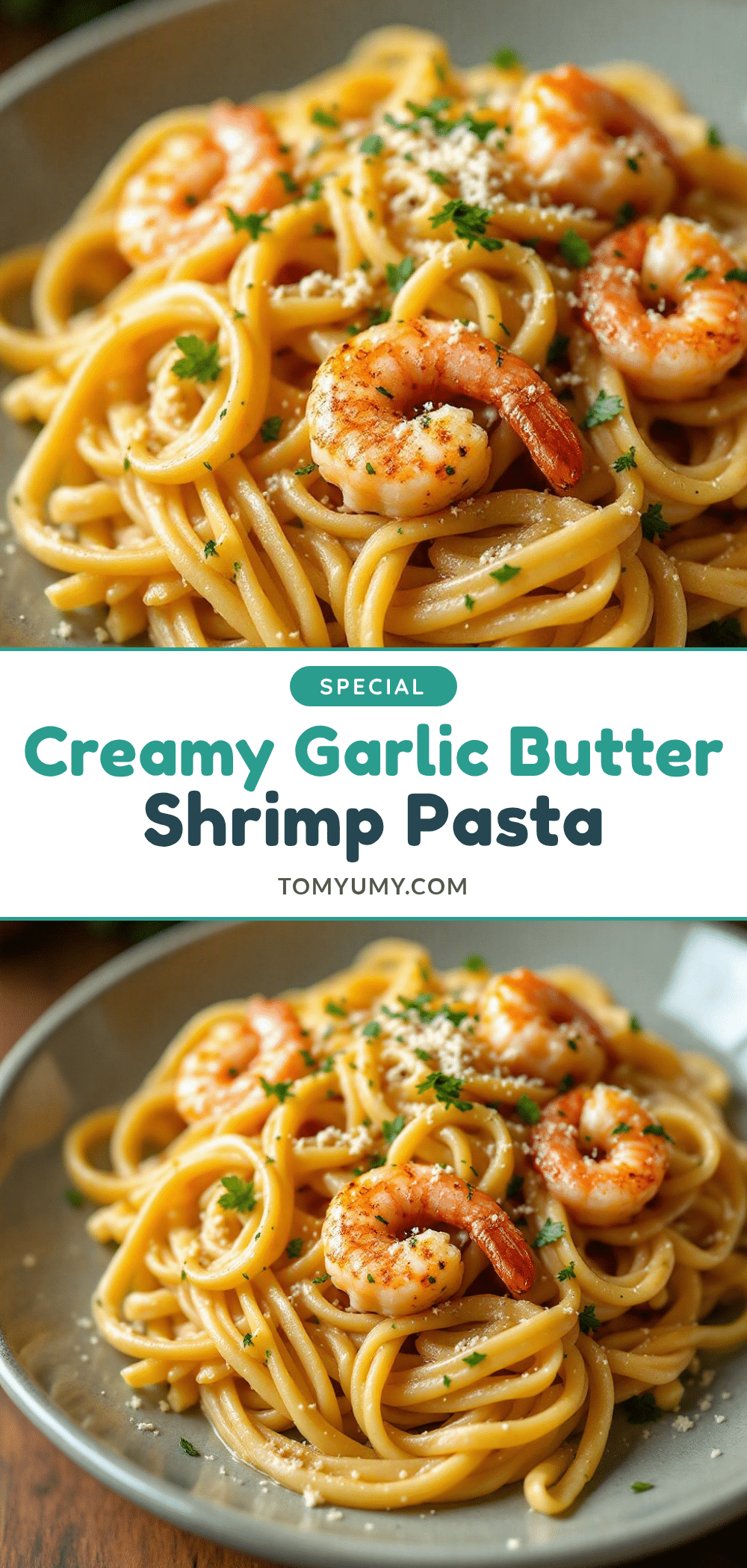
Quick Garlic Butter Shrimp Pasta: Easy Weeknight Dinner
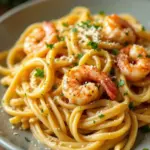
A quick, restaurant-quality garlic butter shrimp pasta that comes together in under 20 minutes using simple pantry staples. This recipe features seared shrimp, a glossy lemon-garlic sauce, and al dente pasta for a comforting weeknight meal.
- Prep Time: 10 minutes
- Cook Time: 10 minutes
- Total Time: 20 minutes
- Yield: 4 servings 1x
- Category: Main Course
- Cuisine: Italian
Ingredients
- 1 lb large or extra-large shrimp, peeled and deveined
- 8 oz spaghetti (or linguine/fettuccine)
- 4 tbsp unsalted butter, divided
- 4–5 cloves garlic, freshly minced
- 1/2 cup dry white wine (e.g., Sauvignon Blanc or Pinot Grigio)
- 1 lemon (juiced and zested)
- 1/4 cup fresh flat-leaf parsley, chopped
- 1/2 tsp red pepper flakes (optional)
- Kosher salt and black pepper, to taste
- Water for boiling pasta
Instructions
- Bring a large pot of generously salted water to a boil. Add spaghetti and cook according to package directions until al dente. Reserve 1 cup of starchy pasta water before draining.
- While pasta cooks, pat shrimp dry with paper towels and season lightly with salt and pepper.
- In a large skillet over medium-high heat, melt 2 tablespoons of butter. Add shrimp in a single layer (cook in batches if necessary) and sear for 2 minutes per side until pink and opaque. Remove shrimp to a plate.
- Reduce heat to medium. Add remaining 2 tablespoons of butter to the pan. Once melted, add minced garlic and red pepper flakes. Sauté for 1 minute until fragrant, being careful not to burn.
- Pour in white wine and simmer for 2 minutes to reduce slightly. Add lemon juice and zest, stirring to combine.
- Add drained pasta to the pan with the sauce. Toss to coat, adding splashes of reserved pasta water as needed to create a glossy, emulsified sauce.
- Return shrimp to the pan and toss gently to heat through. Taste and adjust seasoning with salt or pepper.
- Remove from heat and stir in fresh parsley. Serve immediately with extra lemon wedges and grated Parmesan if desired.
Notes
Do not overcook the shrimp; they should form a ‘C’ shape. If they curl into an ‘O’ shape, they are overcooked. Do not skip reserving pasta water, as the starch helps emulsify the sauce. For a lighter version, swap half the butter for olive oil. White wine can be substituted with chicken broth or extra lemon juice.
Nutrition
- Serving Size: 1 plate per person
- Calories: 450
- Sugar: 2
- Sodium: 600
- Fat: 18
- Saturated Fat: 10
- Carbohydrates: 45
- Fiber: 2
- Protein: 25
Keywords: shrimp pasta, garlic butter shrimp, quick dinner, weeknight meals, easy pasta recipe, seafood dinner, lemon garlic sauce