“I wasn’t expecting baking advice from my plumber,” I chuckled to myself one chilly Saturday morning. There I was, watching him fiddle with the leaky faucet while he casually mentioned his grandmother’s recipe for a bread called Kulich. Honestly, I’d never heard of it before, but the way he described the fluffy, eggy bread topped with a sweet vanilla glaze sounded intriguing. So, when he handed me that scribbled note on a torn piece of paper, I figured, why not give it a shot?
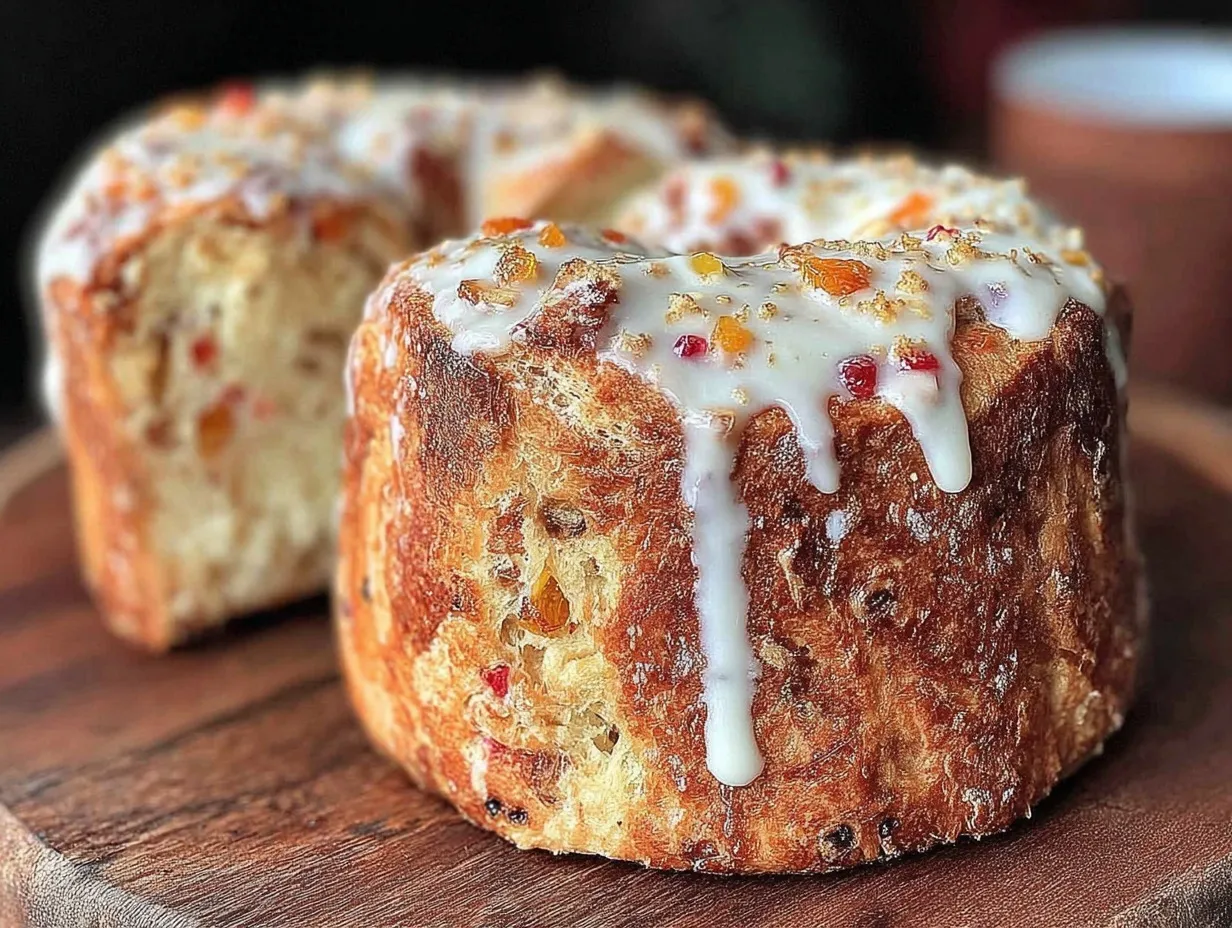
That first attempt was far from perfect—I forgot to add the raisins and nearly overbaked the bread—but the aroma wafting through my kitchen was enough to keep me hooked. Maybe you’ve been there, fumbling with a recipe that seems complicated but turns out to be pure comfort in disguise. Kulich is a traditional Russian Easter bread, but honestly, this recipe works any time you want something special with a tender crumb and a subtle sweetness.
There’s something about how the soft bread pairs with the delicate vanilla glaze that makes you pause, close your eyes, and savor the moment. I’m still surprised at how a simple recipe, passed along by a plumber on a random weekend, became a staple in my baking repertoire. Whether it’s your first time making Kulich or you’re looking for a reliable approach to the classic, this recipe walks you through every step without fuss. So, roll up your sleeves—let me share this old-world delight with you.
Why You’ll Love This Recipe
Having baked this Classic Russian Kulich Easter Bread more times than I can count, I can confidently say it’s one of those recipes that feels both special and approachable. Here’s what makes it stand out:
- Quick & Easy: This recipe comes together in about 3 hours including rising time—perfect for weekend baking or holiday preparations.
- Simple Ingredients: No rare imports here. Most ingredients are pantry staples or easy to find at your local store.
- Perfect for Celebrations: While it’s a traditional Easter bread, it’s also great for brunch, afternoon tea, or gifting to neighbors.
- Crowd-Pleaser: The soft, airy crumb and sweet vanilla glaze always get compliments—kids and adults alike can’t resist a slice.
- Unbelievably Delicious: The balance of subtle citrus, warm vanilla, and tender dough hits that nostalgic, comforting note every time.
Unlike other Kulich recipes that might lean heavily on complicated steps or exotic ingredients, this version respects the tradition but keeps it easy and forgiving for home bakers. The vanilla glaze is straightforward but makes a huge difference, adding just the right touch of sweetness and a shiny finish. Honestly, it’s the kind of bread you’ll want to make again and again—whether for a special holiday or just because.
What Ingredients You Will Need
This Classic Russian Kulich Easter Bread uses simple, wholesome ingredients that come together to create a soft, flavorful loaf. Most of these are pantry basics, and you can swap a few to suit your preferences or dietary needs.
- For the Dough:
- All-purpose flour – 4 cups (480g), sifted for lightness
- Whole milk – 1 cup (240ml), warmed to about 110°F (43°C)
- Active dry yeast – 2 ¼ tsp (one packet), for a good rise
- Granulated sugar – ½ cup (100g), for gentle sweetness
- Unsalted butter – ½ cup (115g), softened (I prefer Kerrygold for creaminess)
- Large eggs – 4, room temperature (helps dough texture)
- Vanilla extract – 2 tsp, pure vanilla recommended
- Salt – 1 tsp, balances the sweetness
- Raisins or dried currants – ¾ cup (110g), soaked in warm water for 10 minutes then drained (optional but traditional)
- Zest of one lemon or orange (adds a bright, fresh note)
- For the Vanilla Glaze:
- Powdered sugar – 1 cup (120g), sifted to avoid lumps
- Milk – 2 tbsp (30ml), any kind
- Vanilla extract – 1 tsp
Substitution tips: For a gluten-free version, try a 1:1 gluten-free flour blend but expect a slightly denser crumb. Use dairy-free milk and butter alternatives if needed—coconut or almond milk work well. If you don’t have raisins, chopped dried apricots or cranberries add a nice twist.
Equipment Needed
- Large mixing bowl – for combining ingredients
- Wooden spoon or silicone spatula – sturdy enough to handle thick dough
- Stand mixer with dough hook (optional) – makes kneading easier, but hand kneading works fine
- Kulich molds or tall cylindrical baking pans (about 4 inches/10 cm diameter and 6 inches/15 cm tall) – traditional shape is part of the charm
- Kitchen towel – to cover dough while it rises
- Measuring cups and spoons – for accuracy
- Cooling rack – to cool bread evenly
If you don’t have Kulich molds, you can use cleaned, empty coffee cans or even straight-sided metal cake pans. I once used a repurposed oatmeal container in a pinch—it worked but looked less elegant! For long-lasting use, keep your pans dry and lightly greased or lined with parchment paper to prevent sticking.
Preparation Method
- Activate the yeast: In a small bowl, combine the warm milk (110°F/43°C) with 1 tbsp sugar and the yeast. Stir gently and let sit for 5–10 minutes until foamy. If it doesn’t foam, your yeast might be old—better to start over.
- Mix the dough: In a large bowl, whisk together the flour, remaining sugar, and salt. In another bowl, beat the eggs and softened butter until smooth. Add the foamy yeast mixture and vanilla extract to the eggs and butter, stirring to combine.
- Combine wet and dry: Gradually add the wet mixture to the flour, stirring with a wooden spoon or paddle attachment on low speed. When the dough starts to come together, knead it for about 8-10 minutes until soft, elastic, and slightly sticky. Add soaked and drained raisins along with citrus zest during the last few minutes of kneading.
- First rise: Lightly grease a large bowl, place the dough inside, and cover with a kitchen towel. Let it rise in a warm spot for 1 to 1.5 hours, or until doubled in size. The dough should feel airy and spring back slowly when poked.
- Prepare baking molds: Grease your Kulich molds or pans thoroughly with butter. Once the dough has risen, punch it down gently and divide it evenly among the molds, filling about two-thirds full.
- Second rise: Cover the molds loosely with plastic wrap or a towel and let rise again for 30–45 minutes until the dough reaches near the top of the molds.
- Bake: Preheat your oven to 350°F (175°C). Bake the Kulich for 35–45 minutes. Check around 30 minutes; if the tops are browning too fast, cover loosely with foil. The bread is done when a toothpick inserted in the center comes out clean or with just a few moist crumbs.
- Cool: Remove from oven, let cool in the molds for 10 minutes, then carefully transfer to a wire rack. Allow the bread to cool completely before glazing—this keeps the glaze from melting off.
- Make the vanilla glaze: Whisk powdered sugar, milk, and vanilla extract in a small bowl until smooth and pourable but thick. If it’s too thick, add a few drops more milk; too thin, add powdered sugar.
- Glaze the Kulich: Spoon or drizzle the glaze over the top of each loaf. Let it set for at least 30 minutes before slicing. Store leftovers wrapped in plastic wrap at room temperature for 2 days or in the fridge up to a week.
Pro tip: If your dough feels too sticky during kneading, sprinkle a bit more flour, but don’t overdo it—it should remain soft. Also, during the second rise, keep the dough away from drafts to prevent drying out.
Cooking Tips & Techniques
Baking Kulich bread is all about patience and gentle handling. Here are some tips I’ve learned the hard way:
- Use warm—not hot—milk: If it’s too hot, it kills the yeast; too cold, and the dough won’t rise well. Aim for a cozy warmth, like a bath you’d enjoy.
- Kneading is key: Don’t rush it. Kneading develops gluten, giving Kulich its tender, airy crumb. If you’re short on time, a stand mixer makes this easier but hands work just fine.
- Don’t skip the double rise: It might feel like extra time, but this is what makes the bread light and fluffy instead of dense.
- Watch the bake time: Every oven heats differently. Start checking early to avoid overbaking, which dries out the bread.
- Glazing while cool: Slathering the vanilla glaze on warm bread turns it into a runny mess. Wait till cool, or you’ll be cleaning sticky drips everywhere (trust me, I’ve been there!).
- Soak your dried fruit: This plumps raisins and currants, preventing them from sucking moisture out of your dough.
And honestly, don’t stress if your first loaf isn’t perfect. I once forgot to soak the raisins and the bread was a little dry—but the flavor still won me over. Kulich is forgiving and always tastes better with a bit of practice and patience.
Variations & Adaptations
While the classic Kulich is wonderful as is, I love experimenting with these variations:
- Chocolate Chip Kulich: Swap raisins for mini chocolate chips to please chocolate lovers.
- Gluten-Free Version: Use a gluten-free flour blend with xanthan gum. The texture will be a bit denser but still delicious.
- Spiced Kulich: Add 1 tsp cinnamon and a pinch of nutmeg to the dough for a warming twist.
- Vegan Adaptation: Replace butter with coconut oil, use flax eggs (1 tbsp ground flaxseed + 3 tbsp water per egg), and choose plant-based milk.
- Citrus Variations: Swap lemon zest for orange or add a teaspoon of orange blossom water to the glaze for floral notes.
One personal favorite was adding chopped pistachios and dried cherries for a festive look and nutty crunch—perfect for gifting. If you’re short on time, you can bake Kulich in shorter, wider pans, but the tall shape is traditional and impressive.
Serving & Storage Suggestions
Kulich shines best served at room temperature, sliced thick, with a cup of tea or coffee. The vanilla glaze adds a shiny, sweet finish that pairs well with creamy butter or a smear of jam. For a traditional touch, serve alongside colored eggs or fresh fruit.
To store, wrap Kulich tightly in plastic wrap or place in an airtight container. At room temperature, it keeps for 2 days without drying out. Refrigerate for up to a week, but bring to room temperature before serving for best flavor.
If freezing, wrap tightly in foil and freeze for up to 3 months. Thaw overnight in the fridge, then warm gently in a low oven (about 275°F/135°C) for 10-15 minutes to refresh the crumb.
Over time, the vanilla glaze may slightly soften and soak into the bread, deepening the flavor. This makes leftovers even more enjoyable the next day, you know?
Nutritional Information & Benefits
This Kulich recipe offers a moderate calorie count per slice (about 250-300 calories depending on slice thickness), making it a treat rather than a heavy dessert. The eggs and milk provide protein and calcium, while the raisins add fiber and natural sweetness.
It’s not low-carb or gluten-free by default but can be adapted. The bread contains common allergens like eggs, dairy, and wheat, so be mindful if serving to guests with sensitivities.
From a wellness perspective, this bread feels like a balanced indulgence—a way to enjoy traditional flavors without being overly heavy or complicated. Plus, the homemade vanilla glaze is a simple way to add sweetness without artificial ingredients.
Conclusion
Classic Russian Kulich Easter Bread is one of those recipes that feels like a comforting hug from the past, yet it’s simple enough to fit into your baking routine. Whether you’re honoring a holiday tradition or just craving a slice of soft, sweet bread, this recipe delivers every time.
Feel free to tweak the dried fruit, spices, or glaze to suit your taste. I love hearing how readers make this their own, so don’t hesitate to share your versions or questions in the comments.
Honestly, this Kulich recipe has become a little ritual for me—reminding me that sometimes, the most unexpected moments (like chatting with a plumber) lead to the best discoveries. Give it a try, and I hope it finds a special place in your kitchen too!
FAQs
What is Kulich?
Kulich is a traditional Russian Easter bread that’s tall, sweet, and often topped with a vanilla or sugar glaze. It’s rich with eggs, butter, and sometimes dried fruits.
Can I make Kulich without a special mold?
Yes! You can use tall, straight-sided pans like coffee cans or cake pans. Just grease them well and adjust baking time if needed.
How long does Kulich keep fresh?
At room temperature, it stays fresh for about 2 days. Refrigerated, it lasts up to a week. Freezing extends shelf life up to 3 months.
Can I add nuts or different dried fruits?
Absolutely! Chopped nuts like pistachios or almonds and dried fruits like cherries or apricots make great additions or substitutions.
Is it possible to make Kulich vegan?
Yes, by substituting eggs with flax eggs, butter with coconut oil or vegan butter, and using plant-based milk, you can make a vegan version that’s still tasty.
Pin This Recipe!

Classic Russian Kulich Easter Bread Recipe With Easy Vanilla Glaze Tutorial

A traditional Russian Easter bread with a soft, airy crumb and a sweet vanilla glaze, perfect for celebrations or any special occasion.
- Prep Time: 30 minutes
- Cook Time: 45 minutes
- Total Time: 3 hours
- Yield: 4 servings 1x
- Category: Bread
- Cuisine: Russian
Ingredients
- All-purpose flour – 4 cups (480g), sifted for lightness
- Whole milk – 1 cup (240ml), warmed to about 110°F (43°C)
- Active dry yeast – 2 ¼ tsp (one packet)
- Granulated sugar – ½ cup (100g)
- Unsalted butter – ½ cup (115g), softened
- Large eggs – 4, room temperature
- Vanilla extract – 2 tsp
- Salt – 1 tsp
- Raisins or dried currants – ¾ cup (110g), soaked in warm water for 10 minutes then drained (optional)
- Zest of one lemon or orange
- Powdered sugar – 1 cup (120g), sifted
- Milk – 2 tbsp (30ml), any kind
- Vanilla extract – 1 tsp
Instructions
- Activate the yeast: In a small bowl, combine the warm milk (110°F/43°C) with 1 tbsp sugar and the yeast. Stir gently and let sit for 5–10 minutes until foamy.
- Mix the dough: In a large bowl, whisk together the flour, remaining sugar, and salt. In another bowl, beat the eggs and softened butter until smooth. Add the foamy yeast mixture and vanilla extract to the eggs and butter, stirring to combine.
- Combine wet and dry: Gradually add the wet mixture to the flour, stirring with a wooden spoon or paddle attachment on low speed. Knead for about 8-10 minutes until soft, elastic, and slightly sticky. Add soaked and drained raisins along with citrus zest during the last few minutes of kneading.
- First rise: Lightly grease a large bowl, place the dough inside, and cover with a kitchen towel. Let it rise in a warm spot for 1 to 1.5 hours, or until doubled in size.
- Prepare baking molds: Grease Kulich molds or pans thoroughly with butter. Punch down the dough and divide it evenly among the molds, filling about two-thirds full.
- Second rise: Cover the molds loosely and let rise again for 30–45 minutes until the dough reaches near the top of the molds.
- Bake: Preheat oven to 350°F (175°C). Bake for 35–45 minutes. Check around 30 minutes; if tops brown too fast, cover loosely with foil. Bread is done when a toothpick inserted comes out clean or with few moist crumbs.
- Cool: Let cool in molds for 10 minutes, then transfer to a wire rack to cool completely before glazing.
- Make the vanilla glaze: Whisk powdered sugar, milk, and vanilla extract until smooth and pourable but thick. Adjust consistency with more milk or powdered sugar as needed.
- Glaze the Kulich: Spoon or drizzle glaze over each loaf. Let set for at least 30 minutes before slicing. Store leftovers wrapped at room temperature for 2 days or refrigerated up to a week.
Notes
Use warm milk (not hot) to activate yeast properly. Knead dough well for a tender crumb. Do not glaze bread while warm to avoid melting glaze. Soak dried fruit to keep it plump and moist. Double rise is essential for light texture. If dough is too sticky, add flour sparingly.
Nutrition
- Serving Size: 1 slice
- Calories: 275
- Sugar: 12
- Sodium: 180
- Fat: 9
- Saturated Fat: 5
- Carbohydrates: 40
- Fiber: 1
- Protein: 6
Keywords: Kulich, Russian Easter bread, vanilla glaze, traditional bread, holiday bread, sweet bread, yeast bread