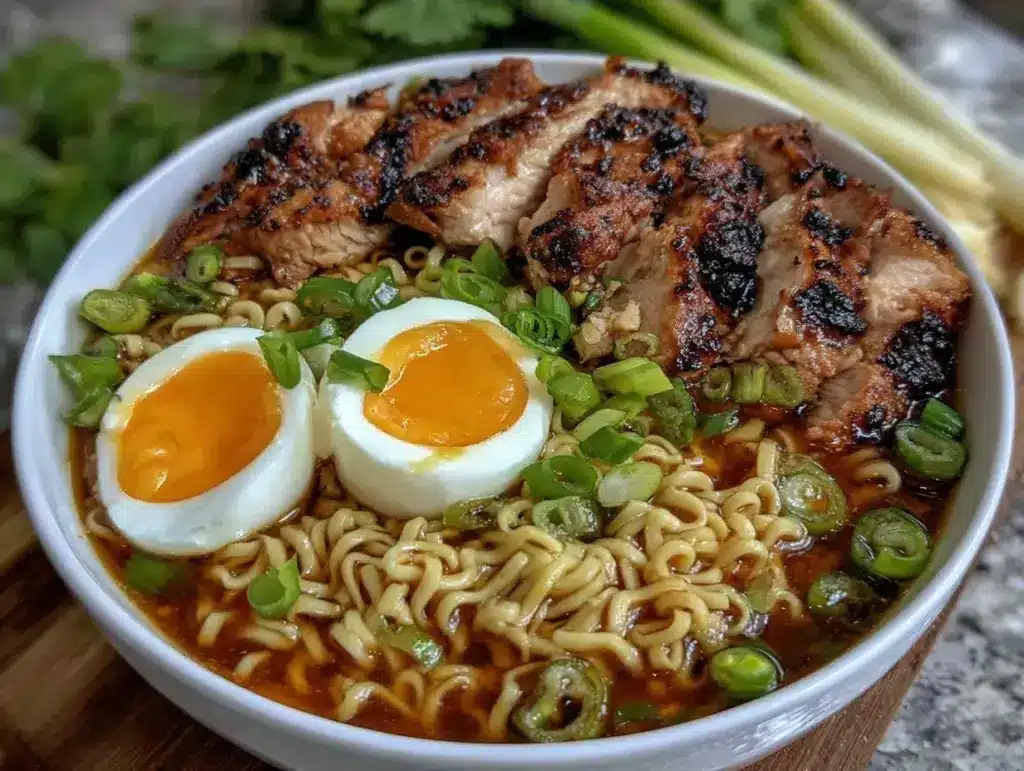
“You won’t believe how this chicken ramen came to be,” my neighbor, Kenji, said while stirring his pot last Sunday afternoon. I was just dropping off a stray cat food when the rich aroma pulled me into his kitchen. Honestly, I wasn’t expecting anything fancy—just the usual weekday dinner. But there I was, watching him carefully crack an egg into a soy marinade, talking about how his mother taught him this recipe back in Osaka. The way the broth simmered, the delicate bamboo shoots resting on top, and that perfect soy egg made me realize this was no ordinary bowl of ramen.
Maybe you’ve been there—the craving for a comforting bowl of ramen that tastes like it came straight from a little noodle shop in Japan, but you’re stuck making do with instant packets. I mean, I get it. I once thought making authentic chicken ramen was so complicated, I’d never bother. But after Kenji shared his secrets (and a few kitchen mishaps, like forgetting the kombu in the broth the first time), I finally had a recipe that’s both easy and incredibly flavorful. It’s the kind of ramen that warms you up from the inside out and leaves you thinking about that first slurp all day long.
This chicken ramen with soy egg and bamboo shoots sticks with you—not just because of the taste, but because of the memories it brings. It’s a humble bowl with layers of flavor, a bowl that makes you feel like you’re sharing a meal with friends, even if you’re eating alone. So, if you’re ready to make a bowl that’s more than just noodles in broth, keep reading. I promise, once you make this, you’ll keep coming back for more.
Why You’ll Love This Recipe
Honestly, this authentic chicken ramen recipe with soy egg and bamboo shoots has some perks that set it apart from any quick ramen fix. I’ve tested it multiple times—sometimes rushing, sometimes savoring—and it always hits the mark. Here’s why it might become your go-to comfort meal:
- Quick & Easy: The broth simmers in under an hour, so you’re not stuck all afternoon. It’s perfect for weeknight dinners when you want something special without a lot of fuss.
- Simple Ingredients: You don’t need to hunt down exotic items. Most ingredients are pantry staples or available at your local Asian market. Even the soy eggs are surprisingly simple to prepare ahead.
- Perfect for Cozy Nights: Whether you’re curled up on the couch or feeding hungry friends, this ramen fills the room with comforting aromas and fills bellies with satisfaction.
- Crowd-Pleaser: Family, friends, even picky eaters love this recipe. That soy egg? Always the star of the bowl.
- Unbelievably Delicious: The chicken broth is rich but light, layered with the umami goodness of soy and ginger. Bamboo shoots add a satisfying crunch that contrasts perfectly with tender noodles.
What sets this recipe apart is the attention to balance. The soy egg isn’t just a garnish—it’s marinated just right to soak up flavor without overwhelming the broth. The bamboo shoots aren’t an afterthought; they bring that earthy texture and subtle sweetness that make each bite interesting. You know that feeling when a simple meal suddenly tastes like a celebration? That’s what you get here.
What Ingredients You Will Need
This chicken ramen recipe uses straightforward ingredients that come together to create a deeply satisfying bowl. You’ll find most of these in your pantry or local grocery store, with a couple of items from the Asian market that really do make a difference. Here’s what I use:
- For the Broth:
- Chicken thighs, bone-in and skin-on (about 1.5 pounds / 700g) – adds rich flavor and tenderness
- Water (about 8 cups / 2 liters)
- Kombu (dried kelp, 1 piece about 4×4 inches) – essential for umami depth
- Dried shiitake mushrooms (3-4 pieces) – for earthy richness
- Fresh ginger (1-inch piece, sliced) – adds warmth
- Garlic (3 cloves, smashed) – aromatic base
- Green onions (2, roughly chopped) – subtle sweetness
- Soy sauce (1/4 cup / 60 ml) – I prefer Kikkoman for consistent flavor
- Mirin (2 tbsp / 30 ml) – sweet balance
- Sake (optional, 1 tbsp / 15 ml) – adds complexity
- Salt to taste
- For the Soy Eggs (Ajitsuke Tamago):
- Large eggs (4) – room temperature for best peeling
- Soy sauce (1/3 cup / 80 ml)
- Mirin (1/3 cup / 80 ml)
- Water (1/3 cup / 80 ml)
- Optional: a small piece of kombu or a pinch of sugar for added flavor
- For the Toppings:
- Bamboo shoots (canned or fresh, about 1 cup / 150g), sliced thin – I like the canned kind for ease, just rinse well
- Ramen noodles (fresh or dried, 4 servings) – fresh noodles if you can find them, otherwise good quality dried
- Green onions (thinly sliced) – for garnish
- Nori sheets (optional, cut into strips)
- Sesame seeds (toasted, optional)
If you’re short on any ingredient, here’s a quick tip: substitute chicken thighs with drumsticks or even a whole chicken cut into parts. For a gluten-free option, try tamari instead of soy sauce and gluten-free noodles. I once swapped bamboo shoots for water chestnuts in a pinch—it wasn’t the same, but the crunch was enjoyable!
Equipment Needed
- Large stockpot (at least 6 quarts / 5.7 liters) – essential for simmering the broth without overflow; I use a heavy-bottomed pot to avoid scorching
- Medium saucepan – for boiling and cooling the soy eggs
- Fine mesh strainer or cheesecloth – to strain broth and keep it clear
- Slotted spoon or spider strainer – handy for removing chicken and eggs from hot water
- Mixing bowls – for marinating eggs and prepping toppings
- Sharp knife and cutting board – for slicing bamboo shoots and green onions
- Chopsticks or tongs – to handle noodles
If you don’t have a heavy stockpot, a large Dutch oven works great too. For the eggs, peeling can get tricky; I’ve found peeling under running cold water helps avoid tearing the whites. Don’t worry if you don’t have a strainer—just carefully ladle the broth and use a clean cloth to strain if needed. Keeping it simple works!
Preparation Method
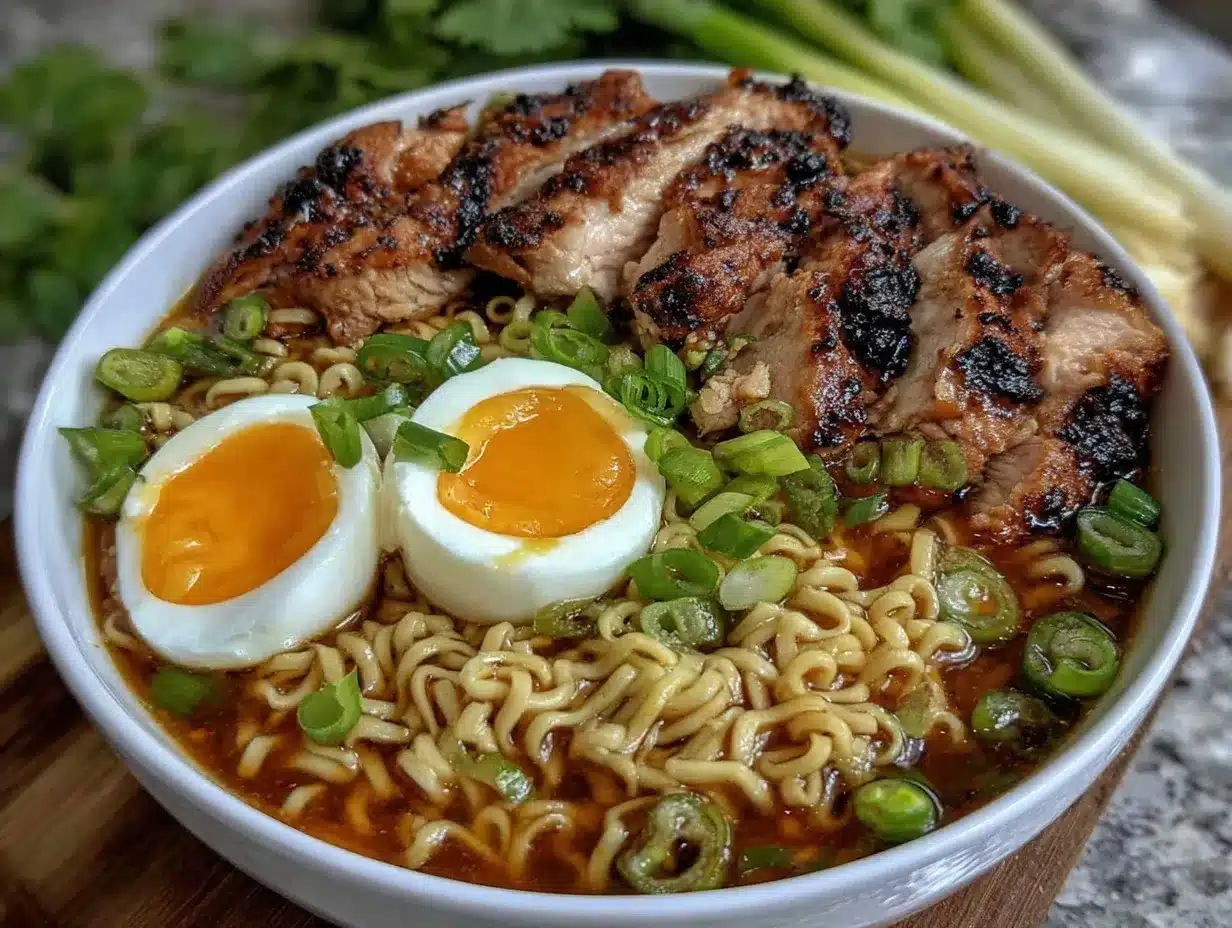
- Prepare the Broth: Rinse chicken thighs under cold water to remove any residue. Place them in the stockpot along with water, kombu, dried shiitake mushrooms, ginger, garlic, and green onions. Bring to a gentle simmer over medium heat (about 15 minutes) and then reduce to low. Let simmer uncovered for 45 minutes to 1 hour. (Tip: Avoid boiling vigorously, or the broth can turn cloudy.)
- Make the Soy Eggs: While the broth simmers, bring a medium saucepan of water to a boil. Using a spoon, gently lower eggs in and boil for exactly 7 minutes for a slightly runny yolk. Prepare an ice bath to cool eggs immediately. Once cool, peel carefully and place the eggs in a bowl with soy sauce, mirin, and water. Marinate at least 3 hours or overnight for best flavor.
- Strain the Broth: Remove chicken and vegetables from the broth using a slotted spoon. Strain the broth through a fine mesh strainer into another pot or bowl. Discard kombu, mushrooms, and aromatics (or save mushrooms for another use). Shred the chicken meat, discarding skin and bones.
- Season the Broth: Return the strained broth to the pot, add soy sauce, mirin, sake (if using), and salt to taste. Bring back to a gentle simmer while you prepare noodles and toppings.
- Cook the Noodles: Boil ramen noodles according to package instructions (usually 2-3 minutes for fresh, 4-5 for dried). Drain and rinse lightly under warm water to prevent sticking.
- Assemble the Bowls: Divide noodles among four bowls. Ladle hot broth over noodles, top with shredded chicken, a soy egg cut in half, bamboo shoots, sliced green onions, nori strips, and toasted sesame seeds if desired.
- Final Touch: Serve immediately. Slurp loudly, savor the layers of flavor, and maybe make a mess—you know, the best part of ramen!
Quick tip: If your broth tastes a bit flat, a splash of fish sauce or a pinch of MSG (yes, it’s okay in moderation) can add that missing umami punch. Also, keep an eye on your soy eggs while marinating; they get saltier the longer they sit.
Cooking Tips & Techniques
Making authentic chicken ramen can seem intimidating, but a few tricks make all the difference. First, low and slow simmering keeps the broth clear and flavorful. I’ve ruined broth by boiling it hard—resulting in cloudy, greasy soup. Trust me, patience wins.
When boiling eggs, timing is everything. Even a 30-second difference can turn a runny yolk into a hard one. Use a kitchen timer, and cool eggs immediately to stop cooking—this helps with peeling too.
Bamboo shoots can be salty if canned, so rinse them well. Fresh bamboo shoots are better but require peeling and boiling before use, which you might skip on busy days.
Multitasking is key: marinate your soy eggs while the broth cooks, and prep toppings as noodles boil. This saves time and keeps everything fresh.
Don’t be afraid to taste your broth midway. Adjust soy sauce and salt gradually. Sometimes I add a splash of toasted sesame oil for a nutty aroma just before serving. Just a little goes a long way.
Variations & Adaptations
- Vegetarian Version: Swap chicken broth for a rich mushroom broth using dried shiitake, kombu, and vegetable stock. Replace chicken with tofu or seitan, and use soy eggs or marinated boiled eggs.
- Spicy Kick: Add chili oil or a spoonful of rayu (Japanese chili oil) to your bowl. You can also mix in some grated fresh ginger or a sprinkle of shichimi togarashi for heat.
- Low-Carb Option: Replace ramen noodles with shirataki noodles or spiralized zucchini. The broth and toppings remain the same, offering a lighter, yet satisfying meal.
- Seasonal Toppings: In spring, add blanched asparagus or fresh peas. In fall, try roasted mushrooms or a soft-boiled egg with a drizzle of miso paste.
- Personal Twist: I once tossed in a handful of baby spinach right before serving—it wilted perfectly in the hot broth and added a fresh green note.
Serving & Storage Suggestions
Serve your chicken ramen piping hot, ideally in deep bowls that keep the broth warm longer. A pair of chopsticks and a soup spoon make the experience authentic and fun. For drinks, green tea or a light sake pairs beautifully.
Leftover broth can be refrigerated for up to 3 days or frozen for up to 3 months. Reheat gently on the stove—avoid boiling again—or it may lose clarity and depth. Store noodles separately if you want to keep them from getting soggy.
Soy eggs keep well in their marinade for up to 4 days refrigerated. You can enjoy them as snacks or in salads too.
Flavors tend to deepen after a day, so making the broth a day ahead can really up your ramen game. Just reheat and assemble before serving.
Nutritional Information & Benefits
This authentic chicken ramen combines protein-rich chicken and eggs with nourishing broth and fresh vegetables. A typical serving contains approximately:
| Calories | 450-550 kcal |
|---|---|
| Protein | 35-40 g |
| Fat | 15-20 g |
| Carbohydrates | 45-50 g |
Chicken thighs provide essential amino acids and iron, while eggs add healthy fats and vitamins. Kombu and shiitake mushrooms contribute iodine and antioxidants, supporting overall wellness. Using low-sodium soy sauce helps keep salt levels moderate.
This recipe can be adapted for gluten-free diets by swapping soy sauce with tamari and choosing gluten-free noodles. It’s a balanced meal that satisfies hunger without heaviness.
Conclusion
This authentic chicken ramen with soy egg and bamboo shoots isn’t just a recipe—it’s a comforting experience you’ll want to revisit time and again. It strikes the perfect balance between rich broth, tender chicken, and those little touches that make ramen so special. I love how it’s flexible enough to customize yet reliably delicious every single time.
Whether you’re a ramen newbie or a seasoned noodle slurper, give this recipe a shot. Tweak the toppings, adjust the seasoning, and make it yours. Don’t be shy—drop a comment sharing your twists or questions. I’m always here for ramen chat!
Happy cooking, and may your next bowl be cozy and full of flavor!
FAQs
How long should I marinate the soy eggs for best flavor?
At least 3 hours, but overnight is ideal. The longer they sit, the more flavorful and deeply colored they become.
Can I use chicken breast instead of thighs?
You can, but thighs give a richer broth and more tender meat. Breasts cook faster but may result in a less flavorful soup.
What if I can’t find fresh ramen noodles?
Dried ramen noodles work fine—just follow the package instructions carefully. Fresh noodles give a softer texture but dried ones are a convenient substitute.
How do I make the broth clearer?
Simmer gently without boiling and skim off any foam or impurities that rise to the surface. Straining through a fine mesh also helps.
Can I prepare this recipe ahead of time?
Absolutely! Make the broth and marinate the eggs a day ahead. Store noodles separately and assemble just before serving for best results.
Pin This Recipe!
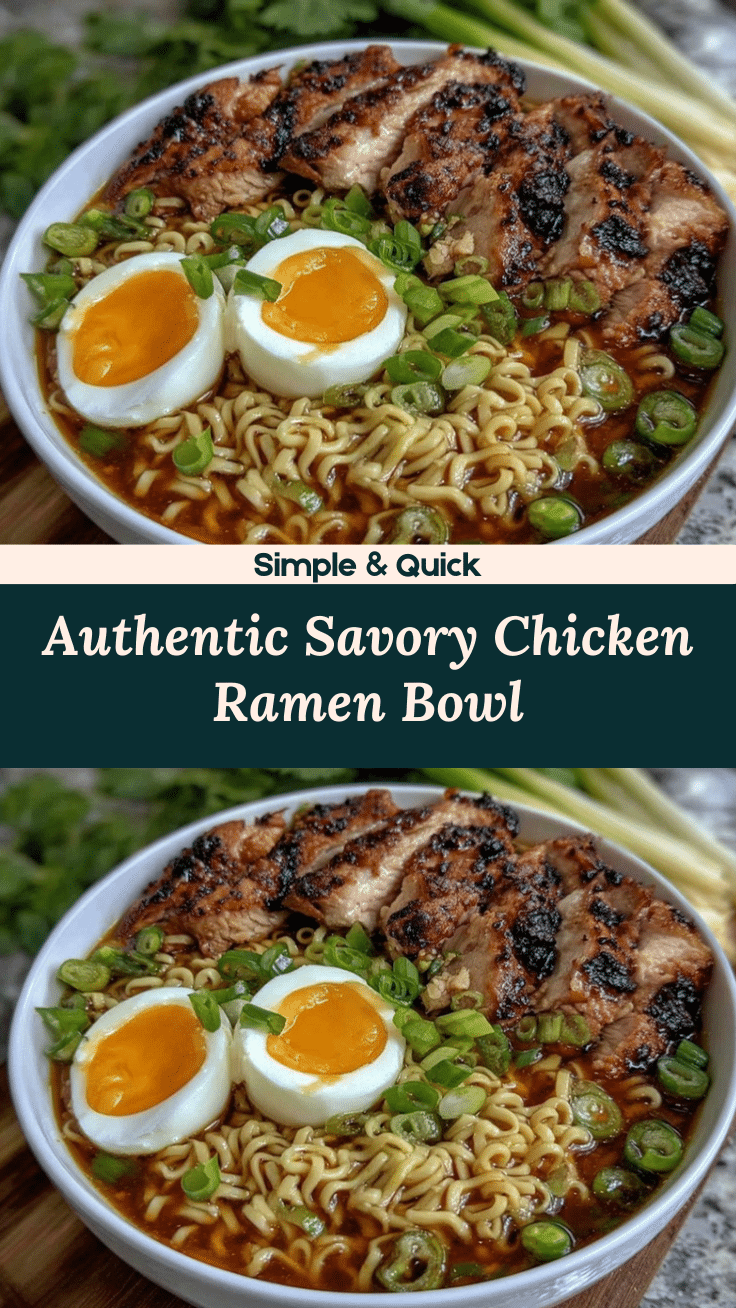
Authentic Chicken Ramen Recipe with Soy Egg and Bamboo Shoots Easy and Flavorful
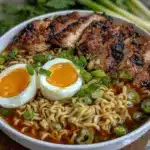
A comforting and flavorful chicken ramen recipe featuring rich broth, tender chicken thighs, marinated soy eggs, and crunchy bamboo shoots. Perfect for cozy nights and easy enough for weeknight dinners.
- Prep Time: 15 minutes
- Cook Time: 1 hour
- Total Time: 1 hour 15 minutes
- Yield: 4 servings
- Category: Main Course
- Cuisine: Japanese
Ingredients
- Chicken thighs, bone-in and skin-on (about 1.5 pounds / 700g)
- Water (about 8 cups / 2 liters)
- Kombu (dried kelp, 1 piece about 4×4 inches)
- Dried shiitake mushrooms (3-4 pieces)
- Fresh ginger (1-inch piece, sliced)
- Garlic (3 cloves, smashed)
- Green onions (2, roughly chopped)
- Soy sauce (1/4 cup / 60 ml)
- Mirin (2 tbsp / 30 ml)
- Sake (optional, 1 tbsp / 15 ml)
- Salt to taste
- Large eggs (4) for soy eggs
- Soy sauce for soy eggs (1/3 cup / 80 ml)
- Mirin for soy eggs (1/3 cup / 80 ml)
- Water for soy eggs (1/3 cup / 80 ml)
- Optional: small piece of kombu or a pinch of sugar for soy eggs
- Bamboo shoots (canned or fresh, about 1 cup / 150g), sliced thin
- Ramen noodles (fresh or dried, 4 servings)
- Green onions (thinly sliced) for garnish
- Nori sheets (optional, cut into strips)
- Sesame seeds (toasted, optional)
Instructions
- Prepare the Broth: Rinse chicken thighs under cold water. Place in a large stockpot with water, kombu, dried shiitake mushrooms, ginger, garlic, and green onions. Bring to a gentle simmer over medium heat (~15 minutes), then reduce to low and simmer uncovered for 45 minutes to 1 hour. Avoid boiling vigorously to keep broth clear.
- Make the Soy Eggs: Bring a medium saucepan of water to a boil. Gently lower eggs in and boil for exactly 7 minutes for slightly runny yolks. Prepare an ice bath to cool eggs immediately. Once cool, peel carefully and marinate eggs in a bowl with soy sauce, mirin, and water. Marinate at least 3 hours or overnight for best flavor.
- Strain the Broth: Remove chicken and vegetables with a slotted spoon. Strain broth through a fine mesh strainer into another pot or bowl. Discard kombu, mushrooms, and aromatics or save mushrooms for another use. Shred chicken meat, discarding skin and bones.
- Season the Broth: Return strained broth to pot. Add soy sauce, mirin, sake (if using), and salt to taste. Bring back to a gentle simmer while preparing noodles and toppings.
- Cook the Noodles: Boil ramen noodles according to package instructions (2-3 minutes for fresh, 4-5 for dried). Drain and rinse lightly under warm water to prevent sticking.
- Assemble the Bowls: Divide noodles among four bowls. Ladle hot broth over noodles, top with shredded chicken, a soy egg cut in half, bamboo shoots, sliced green onions, nori strips, and toasted sesame seeds if desired.
- Final Touch: Serve immediately. Slurp loudly and enjoy the layers of flavor.
Notes
Avoid boiling broth vigorously to keep it clear. Marinate soy eggs at least 3 hours or overnight for best flavor. Rinse canned bamboo shoots well to reduce saltiness. Peeling eggs under running cold water helps avoid tearing whites. Substitute chicken thighs with drumsticks or whole chicken parts if needed. For gluten-free, use tamari and gluten-free noodles. Add a splash of fish sauce or pinch of MSG to enhance umami if desired.
Nutrition
- Serving Size: 1 bowl (approximatel
- Calories: 450550
- Fat: 1520
- Carbohydrates: 4550
- Protein: 3540
Keywords: chicken ramen, soy egg, bamboo shoots, authentic ramen, Japanese noodle soup, easy ramen recipe, homemade ramen, comfort food