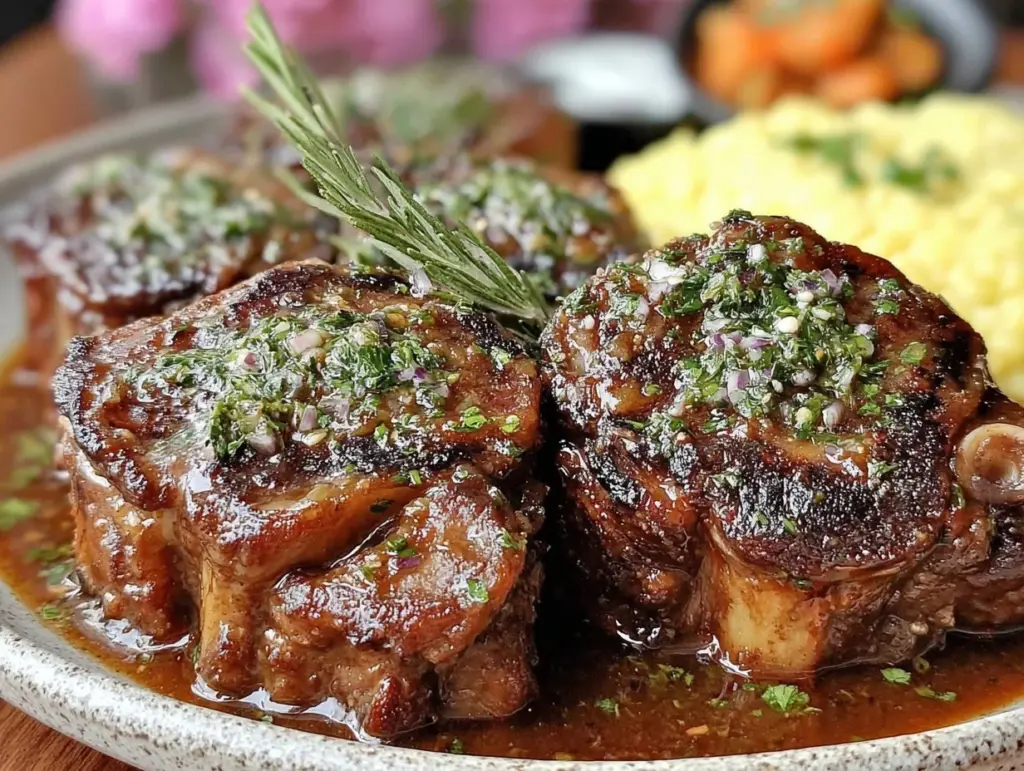
“You know, I wasn’t expecting a cooking lesson from my neighbor Frank, the quiet guy who usually keeps to himself. One chilly Saturday afternoon, he invited me over for a cup of coffee and casually mentioned his grandmother’s osso buco recipe. I was skeptical at first—veal shanks? Braised for hours? Sounds like a lot of work, right? But honestly, watching Frank maneuver in the kitchen with such ease, while sharing stories about his Nonna’s Sunday dinners, was captivating. The kitchen filled with the rich aroma of slowly simmering meat, mingling with hints of citrus and herbs. I was hooked before the first bite.
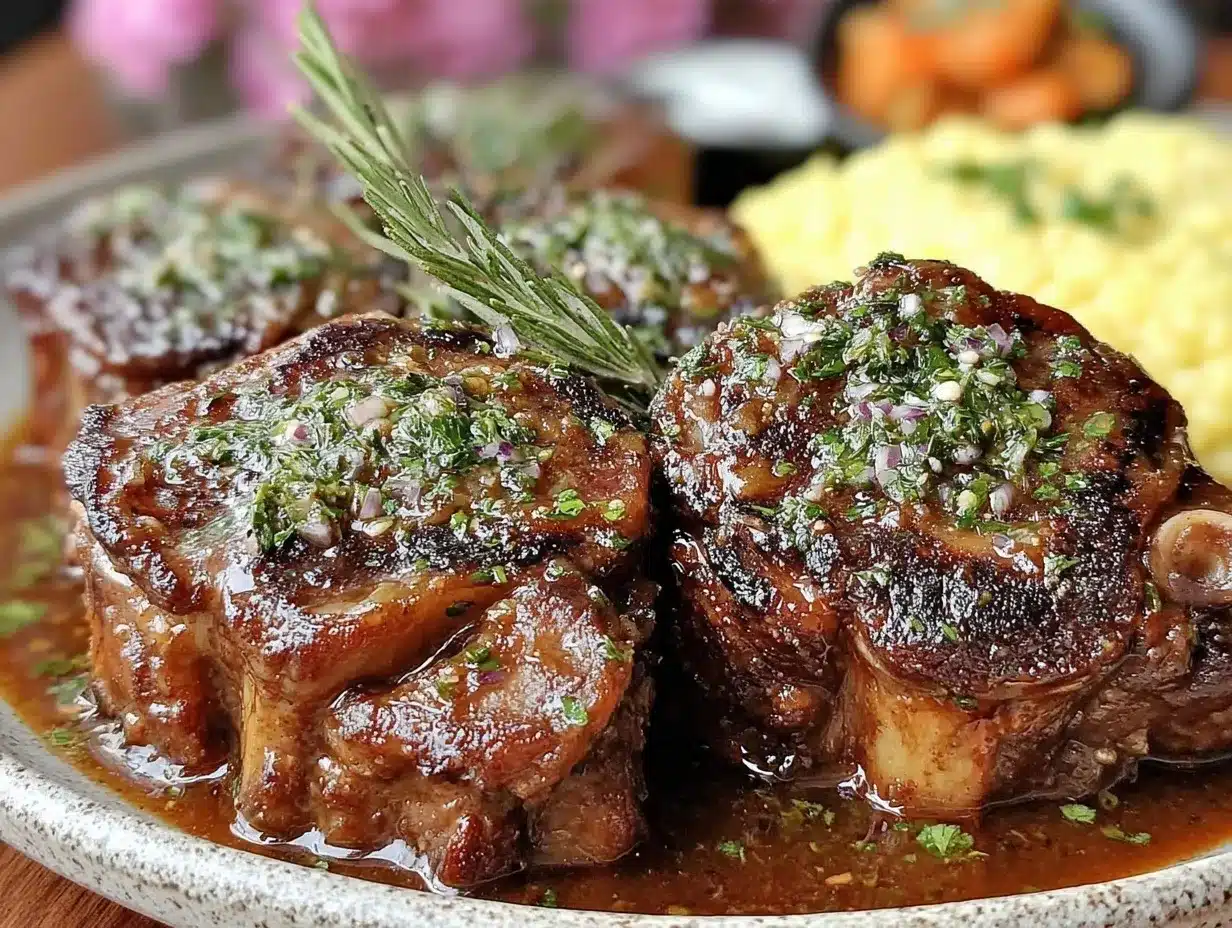
That day, I learned that perfect osso buco braised veal shanks with fresh gremolata isn’t just a fancy restaurant dish; it’s a soulful, comforting meal that brings people together. The slow braise turns the veal shanks tender beyond belief, while the gremolata adds a fresh, zesty kick that cuts through the richness. I remember accidentally forgetting to add the lemon zest the first time—I could tell something was missing. After that little mishap, I made sure to keep the zest front and center, which really brightened every bite.
Maybe you’ve been there—curious about trying a recipe that sounds intimidating but promises delicious rewards. This osso buco recipe stayed with me not just because it tastes amazing, but because it’s the kind of meal that turns an ordinary evening into something special, even if you’re just cooking for yourself. Let me tell you, once you have a taste, you’ll want to make it again and again.
Why You’ll Love This Recipe
After testing countless versions of osso buco, I can confidently say this recipe hits all the right notes. It’s been kitchen-tested, family-approved, and fine-tuned for flavor and texture. Here’s why it stands out:
- Slow-Cooked Tenderness: The veal shanks braise low and slow until the meat practically falls off the bone.
- Fresh & Zesty Gremolata: The gremolata adds a bright contrast that balances the richness perfectly.
- Simple Ingredients: No obscure spices or fancy tools needed—you likely have most items on hand.
- Impress Without Stress: This is a great dish to make for weekend dinners or special occasions when you want to wow guests.
- Flavor Layers: The combination of aromatic vegetables, white wine, and tomato paste creates a deeply savory base.
This recipe isn’t just another osso buco—it’s the one I keep coming back to because the flavors are perfectly balanced, and the gremolata finishing touch is the secret weapon. Honestly, it reminds me of those cozy Sunday afternoons where time slows down, and the kitchen smells like home.
What Ingredients You Will Need
This recipe uses simple, wholesome ingredients to deliver bold flavor and satisfying texture without the fuss. Most are pantry staples, with fresh herbs and citrus bringing freshness.
- Veal Shanks: 4 pieces (about 1.5 to 2 inches thick). Look for veal with a nice marrow bone for richness.
- Flour: ½ cup (60g), for dredging the veal, helps create a beautiful crust and thickens the sauce.
- Extra Virgin Olive Oil: 3 tablespoons, for browning the shanks and sautéing vegetables.
- Unsalted Butter: 2 tablespoons, adds richness to the braising liquid.
- Carrots: 2 medium, diced finely for a sweet base.
- Celery Stalks: 2, diced to add subtle earthiness.
- Yellow Onion: 1 large, finely chopped for depth of flavor.
- Garlic Cloves: 3, minced to infuse aroma.
- Tomato Paste: 2 tablespoons, intensifies the sauce color and taste.
- Dry White Wine: 1 cup (240ml), I recommend a crisp Sauvignon Blanc or Pinot Grigio.
- Beef or Veal Stock: 2 cups (480ml), homemade or store-bought (look for low sodium).
- Crushed Tomatoes: 1 can (14 oz / 400g), adds a gentle acidity and sweetness.
- Fresh Thyme: 3 sprigs, for herbaceous notes.
- Bay Leaves: 2, classic flavor enhancers.
- Salt and Freshly Ground Black Pepper: to taste.
For the gremolata:
- Flat-leaf Parsley: ½ cup, finely chopped (about one small bunch).
- Lemon Zest: From 1 large lemon, adds fresh citrus brightness.
- Garlic: 1 small clove, minced finely.
Substitutions are easy: you can swap veal for beef shanks if veal isn’t available. Use gluten-free flour blends for dredging if needed. If you prefer a dairy-free version, replace butter with extra olive oil. In summer, fresh plum tomatoes can replace canned for a lighter touch.
Equipment Needed
To make this perfect osso buco, you don’t need fancy gear, but a few essentials make a big difference.
- Heavy-Bottomed Dutch Oven or Large Ovenproof Pot: Ideal for even heat and slow braising. I’ve used both cast iron and enameled versions; both work well.
- Tongs: For turning the shanks without tearing the meat.
- Sharp Chef’s Knife: To finely chop the vegetables and herbs.
- Microplane or Fine Grater: Useful for zesting lemon precisely for the gremolata.
- Wooden Spoon or Silicone Spatula: For stirring the soffritto and scraping the bottom of the pot.
If you don’t have a Dutch oven, a heavy oven-safe skillet with a lid works too. Just keep an eye on the liquid level to prevent drying out. For zesting, if you don’t have a microplane, a vegetable peeler followed by finely chopping the zest works just fine.
Preparation Method
- Prep the Veal Shanks (10 minutes): Pat the veal shanks dry with paper towels—this helps with browning. Season generously with salt and pepper. Dredge each shank lightly in flour, shaking off excess. This step creates a beautiful crust and thickens the sauce later.
- Brown the Shanks (15 minutes): Heat olive oil and butter in your Dutch oven over medium-high heat. Once hot, add the shanks—don’t crowd the pot; brown in batches if needed. Brown each side about 4 minutes until golden. Remove and set aside on a plate.
- Sauté the Vegetables (10 minutes): Lower the heat to medium. Add carrots, celery, and onion to the pot. Cook, stirring occasionally, until softened and fragrant—about 7-10 minutes. Add minced garlic in the last minute to avoid burning.
- Add Tomato Paste & Deglaze (5 minutes): Stir in the tomato paste and cook for 2 minutes to caramelize slightly. Pour in white wine, scraping the bottom of the pot to lift all those tasty browned bits. Simmer until wine is reduced by half, about 3 minutes.
- Build the Braise (5 minutes): Return the veal shanks to the pot, nestling them into the vegetable mixture. Add crushed tomatoes and beef stock. Toss in thyme sprigs and bay leaves. The liquid should come about halfway up the meat; add a bit more stock or water if needed. Season lightly with salt and pepper.
- Braise in the Oven (2 to 2½ hours): Preheat your oven to 325°F (160°C). Cover the pot with a lid and place it in the oven. Braise gently until the meat is fork-tender and starting to fall off the bone. Check once halfway through, spooning some sauce over the meat. If the liquid looks low, add a splash of stock or water.
- Prepare the Gremolata (5 minutes): While the osso buco braises, combine chopped parsley, lemon zest, and minced garlic in a small bowl. Set aside to let flavors meld.
- Finish & Serve (5 minutes): When the meat is tender, remove the pot from oven. Discard thyme sprigs and bay leaves. Taste the sauce and adjust seasoning. Spoon the gremolata generously over each veal shank just before serving for a fresh, aromatic lift.
Quick tip: I like to serve osso buco over creamy polenta or buttery mashed potatoes to soak up all that luscious sauce. If the sauce seems too thin, simmer it uncovered on the stovetop for a few minutes to thicken.
Cooking Tips & Techniques
Braising is all about patience and gentle heat. Here are some lessons I’ve learned along the way:
- Patience Matters: Rushing the braise at a higher temperature dries out the meat. Keep it low and slow for melt-in-your-mouth results.
- Don’t Skip Browning: That golden crust adds flavor depth. If the pan isn’t hot enough, the meat will stew instead of brown.
- Keep the Liquid Level: Check the braising liquid every hour. Adding too much water dilutes flavor; stock keeps it rich.
- Use Fresh Herbs: Thyme and bay leaves release their best flavors during the long cook. Remove before serving to avoid bitterness.
- Prepare Gremolata Fresh: The gremolata is the zingy counterpoint—don’t make it too early or the lemon zest can turn bitter.
- Multitasking Tip: While the osso buco braises, use the time to prepare sides or set the table. Slow cooking lets you relax!
I once forgot the lemon zest in the gremolata, and the dish felt heavy. Lesson learned: that bright note is what makes the whole thing sing. Also, don’t be afraid to taste and adjust seasonings at the end; braised dishes can sometimes need a little boost.
Variations & Adaptations
Osso buco is wonderfully versatile, so here are a few ways to make it your own:
- Gluten-Free Version: Substitute regular flour with a gluten-free blend or cornstarch for dredging the shanks.
- Beef Shanks Alternative: If veal is hard to find, beef shanks work well, though cooking time may extend slightly.
- Tomato-Free Braise: Omit crushed tomatoes and increase stock for a lighter, more delicate sauce.
- Herb Twists: Swap thyme for rosemary or add a sprig of sage for a different herbal aroma.
- Spicy Kick: Add a pinch of red pepper flakes when sautéing the vegetables for subtle heat.
Personally, I’ve tried adding a splash of Marsala wine instead of white wine once—surprisingly tasty with a slightly sweeter note. It’s fun to experiment, but remember, the key is maintaining balance between the rich braise and fresh gremolata.
Serving & Storage Suggestions
Osso buco is best served hot, straight from the pot, with gremolata sprinkled on top for that fresh pop. I like to present it over creamy polenta or buttery mashed potatoes with a side of sautéed greens. A glass of the same white wine used in cooking ties it all together nicely.
Leftovers keep well in the fridge for up to 3 days, covered tightly. The flavors actually deepen overnight, making it a great make-ahead meal. Reheat gently on the stovetop over low heat—adding a splash of stock or water to loosen the sauce if needed.
For longer storage, freeze in an airtight container for up to 2 months. Thaw overnight in the fridge before reheating slowly.
Pro tip: The gremolata tastes best fresh, so prepare a small batch to sprinkle on leftovers just before serving to keep that bright contrast alive.
Nutritional Information & Benefits
This osso buco recipe provides a hearty, protein-rich meal with the benefits of fresh herbs and vegetables. A typical serving (one veal shank with sauce) contains approximately:
| Calories | 450-500 kcal |
|---|---|
| Protein | 40g |
| Fat | 25g (mostly healthy fats from olive oil and butter) |
| Carbohydrates | 10-15g (mainly from vegetables and tomato) |
| Fiber | 3-4g |
The veal shanks are a great source of collagen and minerals, especially when cooked slowly with the bone marrow. Parsley in gremolata adds vitamin C and antioxidants, while lemon zest brightens digestion. This recipe is naturally gluten-free if you swap out the flour, and dairy-free if you use olive oil instead of butter.
From a wellness perspective, it’s a comforting dish that nourishes without being overly heavy when balanced with fresh gremolata and veggies.
Conclusion
Perfect osso buco braised veal shanks with fresh gremolata is a recipe that brings joy and warmth to the table. It’s one of those dishes you’ll want to make when you crave hearty comfort food with a touch of elegance. Don’t hesitate to personalize the gremolata or sides based on what you love—cooking is all about making it your own.
I keep coming back to this recipe because it reminds me of that unexpected afternoon with Frank and the simple pleasure of sharing a meal that feels like home. If you give it a try, I’d love to hear how it turned out for you—drop a comment or share your favorite twist!
Happy cooking, and may your kitchen be filled with delicious aromas and good company.
FAQs
How long does it take to cook osso buco?
The braising process takes about 2 to 2½ hours at 325°F (160°C) until the veal is tender and falling off the bone.
Can I use beef instead of veal for osso buco?
Yes, beef shanks are a great substitute. Just expect a slightly longer cooking time—about 30 minutes more.
What is gremolata and why is it important?
Gremolata is a fresh mix of parsley, lemon zest, and garlic. It adds a bright, zesty contrast that balances the rich braised meat perfectly.
Can I make osso buco ahead of time?
Absolutely! It tastes even better the next day. Store leftovers in the fridge for up to 3 days or freeze for longer storage.
What should I serve with osso buco?
Creamy polenta, mashed potatoes, or risotto are classic sides. Roasted or sautéed greens also pair nicely to round out the meal.
Pin This Recipe!

Perfect Osso Buco Braised Veal Shanks Recipe with Fresh Gremolata

A soulful, comforting meal featuring slow-braised veal shanks tender beyond belief, finished with a fresh, zesty gremolata that balances the rich flavors perfectly.
- Prep Time: 10 minutes
- Cook Time: 2 hours 30 minutes
- Total Time: 2 hours 40 minutes
- Yield: 4 servings 1x
- Category: Main Course
- Cuisine: Italian
Ingredients
- 4 veal shanks (about 1.5 to 2 inches thick)
- ½ cup (60g) flour, for dredging
- 3 tablespoons extra virgin olive oil
- 2 tablespoons unsalted butter
- 2 medium carrots, diced finely
- 2 celery stalks, diced
- 1 large yellow onion, finely chopped
- 3 garlic cloves, minced
- 2 tablespoons tomato paste
- 1 cup (240ml) dry white wine (Sauvignon Blanc or Pinot Grigio recommended)
- 2 cups (480ml) beef or veal stock, low sodium
- 1 can (14 oz / 400g) crushed tomatoes
- 3 sprigs fresh thyme
- 2 bay leaves
- Salt and freshly ground black pepper, to taste
- For the gremolata:
- ½ cup flat-leaf parsley, finely chopped
- Zest of 1 large lemon
- 1 small garlic clove, minced
Instructions
- Pat the veal shanks dry with paper towels. Season generously with salt and pepper. Dredge each shank lightly in flour, shaking off excess.
- Heat olive oil and butter in a Dutch oven over medium-high heat. Brown the shanks in batches, about 4 minutes per side until golden. Remove and set aside.
- Lower heat to medium. Add carrots, celery, and onion to the pot. Cook, stirring occasionally, until softened and fragrant, about 7-10 minutes. Add minced garlic in the last minute.
- Stir in tomato paste and cook for 2 minutes to caramelize slightly. Pour in white wine, scraping the bottom of the pot. Simmer until wine is reduced by half, about 3 minutes.
- Return veal shanks to the pot, nestling into the vegetable mixture. Add crushed tomatoes, beef stock, thyme sprigs, and bay leaves. Ensure liquid comes halfway up the meat; add more stock or water if needed. Season lightly with salt and pepper.
- Preheat oven to 325°F (160°C). Cover pot with lid and braise in oven for 2 to 2½ hours until meat is fork-tender and falling off the bone. Check halfway through, spoon sauce over meat, and add liquid if low.
- While braising, combine parsley, lemon zest, and minced garlic in a small bowl to make gremolata. Set aside.
- Remove pot from oven when meat is tender. Discard thyme and bay leaves. Adjust seasoning. Spoon gremolata generously over each veal shank before serving.
Notes
Patience is key for tender meat; keep braising temperature low and slow. Browning the shanks adds flavor depth. Keep an eye on liquid level during braising to prevent drying out. Prepare gremolata fresh to avoid bitterness from lemon zest. Serve over creamy polenta or mashed potatoes to soak up sauce. Sauce can be thickened by simmering uncovered on stovetop if too thin.
Nutrition
- Serving Size: One veal shank with
- Calories: 475
- Sugar: 5
- Sodium: 400
- Fat: 25
- Saturated Fat: 7
- Carbohydrates: 12
- Fiber: 3.5
- Protein: 40
Keywords: osso buco, veal shanks, braised veal, gremolata, Italian recipe, slow-cooked, comfort food, braising, veal recipe