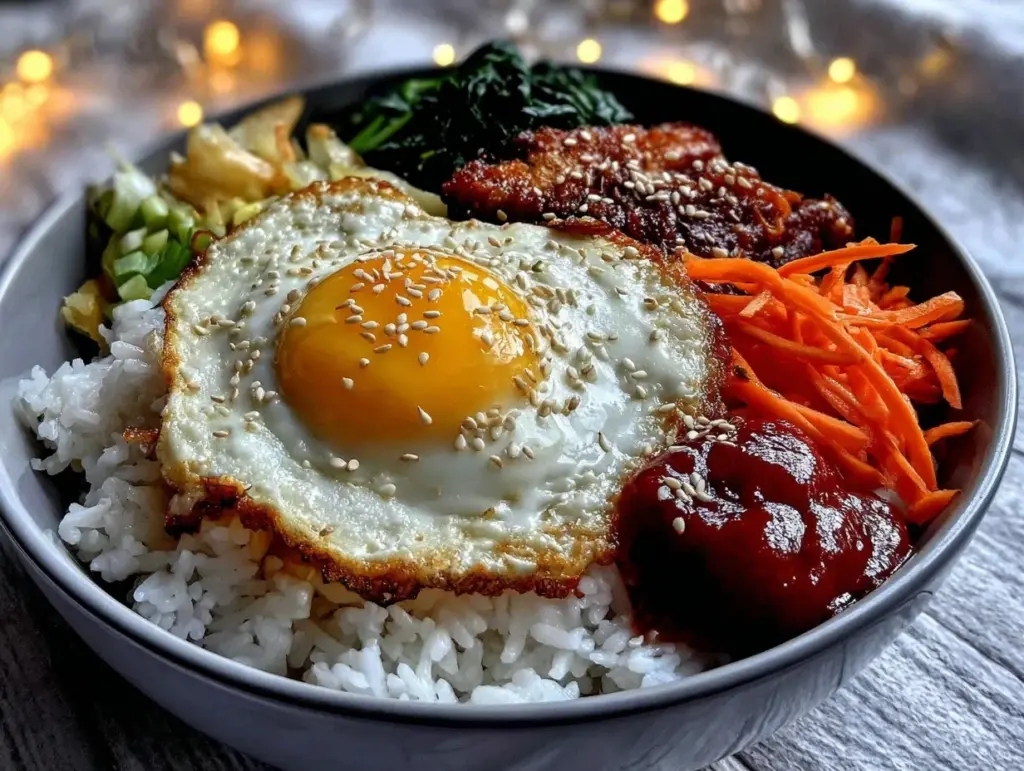
“Just toss everything in a bowl,” I thought, slightly skeptical as I stared at the leftover rice and random veggies in my fridge. Honestly, the idea of a bibimbap bowl sounded fancy, but who had the patience for all those separate components? Then came a little happy accident—the rice got a bit too toasty on the pan, and instead of tossing it, I scraped it up and added the gochujang sauce. That crispy, slightly charred rice with the spicy, sweet sauce was something else. It reminded me how sometimes the best meals come from mistakes or shortcuts.
That night, instead of the usual tired dinner, I found myself savoring every bite of this crispy Korean bibimbap bowl with gochujang sauce. The crunch of the rice combined with fresh veggies and that punchy sauce made it a quiet little victory in my busy week. I kept making it over and over, tweaking the sauce here, swapping veggies there, until it became my go-to for when I wanted something comforting but not complicated.
What stuck with me was how this recipe feels like a cozy reset—a balance of textures and flavors that’s both grounding and exciting. It’s not just a bowl of food; it’s a little moment of calm in a busy kitchen, and I think you’ll feel it too once you try it.
Why You’ll Love This Recipe
After several rounds of testing this crispy Korean bibimbap bowl with gochujang sauce, I can honestly say it’s one of those recipes that just clicks. Here’s why it’s earned a permanent spot in my recipe rotation:
- Quick & Easy: From start to finish, it comes together in about 30 minutes, making it perfect for busy weeknights when you don’t want to sacrifice flavor.
- Simple Ingredients: No need for exotic items—most ingredients are pantry staples or easy to find at any grocery store.
- Perfect for Every Occasion: Whether you’re cooking for yourself or hosting an impromptu dinner, this bowl fits right in with casual meals or a cozy night in.
- Crowd-Pleaser: Kids and adults alike tend to ask for seconds—probably due to that addictive crispy rice and the umami-packed gochujang sauce.
- Unbelievably Delicious: The crispy rice base adds a wonderful texture that lifts this bibimbap bowl beyond the usual versions you might have tried.
- Unique Touch: Instead of the usual steamed rice, pan-frying it for crispiness creates a satisfying crunch that pairs perfectly with the spicy-sweet gochujang sauce. Trust me, it’s a game changer.
This recipe isn’t just a copycat—it’s a recipe that’s been refined through trial, error, and a few happy accidents. Honestly, the balance between the crispy rice, fresh veggies, and that sauce makes you close your eyes for a second after the first bite. It’s familiar Korean comfort food but with a little extra crunch and boldness that keeps you coming back.
What Ingredients You Will Need
This crispy Korean bibimbap bowl with gochujang sauce thrives on simple, wholesome ingredients that come together for bold flavor and satisfying texture. Most are pantry staples, and a few fresh veggies round it out for freshness. Here’s the rundown:
- For the Crispy Rice:
- 2 cups cooked short-grain white rice (preferably day-old for better crispiness)
- 1 tablespoon vegetable oil (neutral oil like canola or grapeseed works best)
- For the Vegetables:
- 1 cup julienned carrots (adds natural sweetness and crunch)
- 1 cup spinach, blanched and squeezed (for a tender, earthy bite)
- 1 cup bean sprouts, lightly cooked (adds freshness and texture)
- ½ cup shiitake mushrooms, sliced (rich umami flavor)
- 1 small cucumber, thinly sliced (cool, crisp contrast)
- 2 green onions, sliced thin (for a subtle sharpness)
- For the Protein:
- 2 large eggs (fried sunny side up; optional but highly recommended)
- Optional: ½ cup cooked ground beef or tofu cubes (for extra protein)
- For the Gochujang Sauce:
- 3 tablespoons gochujang (Korean red chili paste; I prefer Chung Jung One brand for balanced spice)
- 1 tablespoon sesame oil (adds nutty aroma)
- 1 tablespoon soy sauce (or tamari for gluten-free)
- 1 tablespoon rice vinegar (brightens the sauce)
- 1 tablespoon honey or sugar (balances heat)
- 1 teaspoon minced garlic (fresh adds a nice punch)
- To Garnish:
- Toasted sesame seeds (for crunch and flavor)
- Thin strips of nori seaweed (optional but authentic touch)
If you want to switch things up, try swapping the short-grain rice for brown rice or use kale instead of spinach. For a vegan version, skip the egg and add pan-fried tofu cubes. The sauce can be balanced to your heat preference, so feel free to add a little more honey if you want to tame the spice.
Equipment Needed
For this crispy Korean bibimbap bowl, you don’t need anything fancy, but a few tools will make the process smoother:
- Non-stick skillet or cast-iron pan: Essential for getting that crispy rice crust without it sticking. I’ve tried both, and while cast iron gives a great sear, a good non-stick works just fine.
- Mixing bowls: For prepping and tossing the veggies separately.
- Spatula: A silicone or wooden spatula helps flip the rice crisp without breaking it.
- Small saucepan: For warming the gochujang sauce ingredients gently so they meld perfectly.
- Knife and cutting board: For slicing all the veggies thinly and uniformly.
If you don’t have a cast iron pan, no worries—just be patient with the rice crisping over medium heat. Also, a rice cooker can make your life easier if you’re prepping rice in advance, but plain stovetop works well too.
Preparation Method
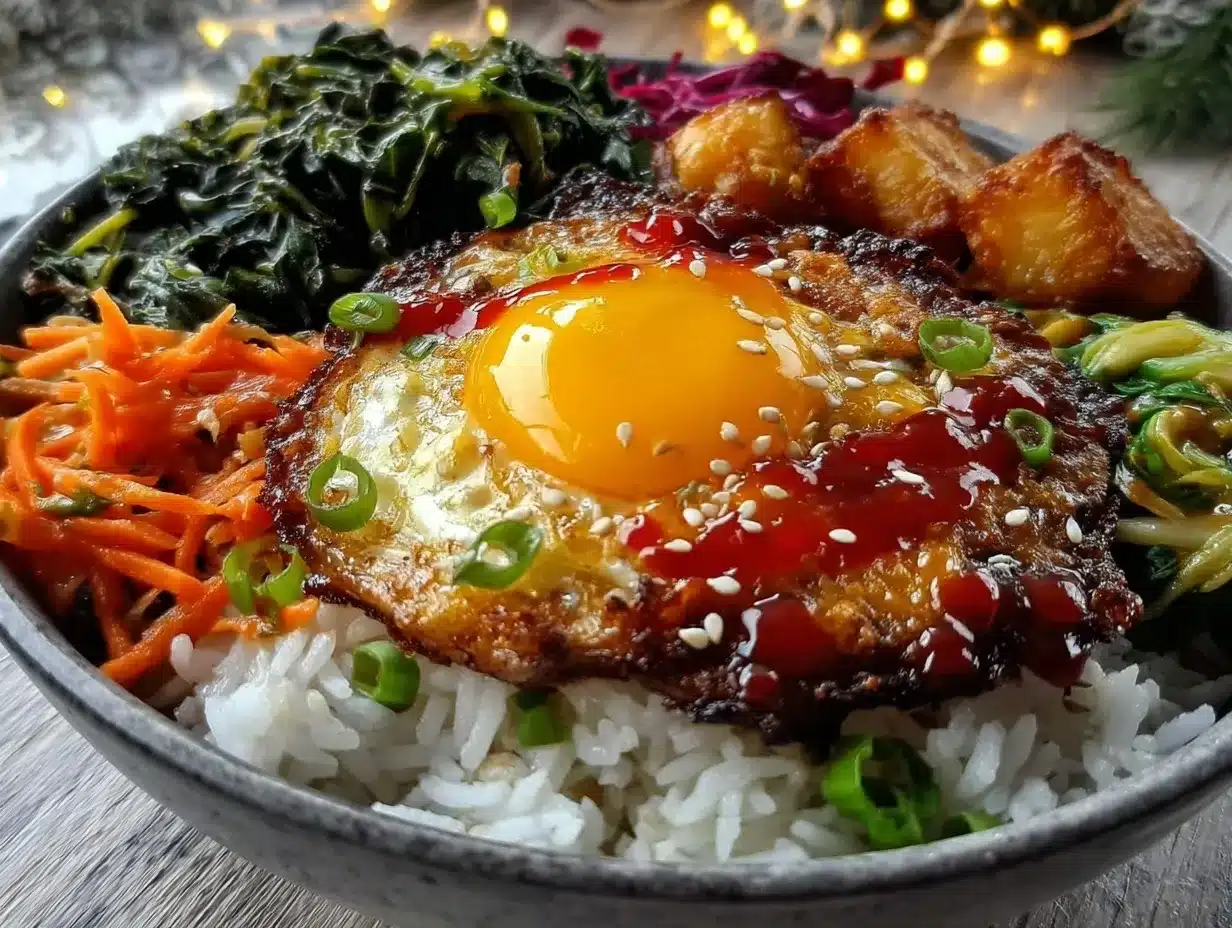
- Prep the Rice: Use 2 cups (about 400 grams) of cooked short-grain rice that’s been refrigerated overnight. This helps the grains firm up and crisp better. If your rice is freshly cooked, spread it out on a baking sheet to cool and dry slightly (about 20 minutes).
- Cook the Vegetables: Each veggie gets its moment:
- Blanch spinach in boiling water for 30 seconds, then squeeze out excess water.
- Lightly sauté shiitake mushrooms in a teaspoon of oil until tender (about 3-4 minutes).
- Quickly steam or blanch bean sprouts for a minute to keep them crisp.
- Julienne carrots and slice cucumber thinly—serve raw for crunch.
Season veggies lightly with a pinch of salt and a drizzle of sesame oil to bring out flavor.
- Make the Gochujang Sauce: In a small bowl or saucepan, whisk together 3 tablespoons gochujang, 1 tablespoon sesame oil, 1 tablespoon soy sauce, 1 tablespoon rice vinegar, 1 tablespoon honey, and 1 teaspoon minced garlic. Warm gently if you want it more blended. Taste and adjust for sweetness or heat.
- Fry the Crispy Rice: Heat 1 tablespoon vegetable oil in your pan over medium heat. Add the rice, pressing it down gently to form an even layer. Let it cook undisturbed for about 7-10 minutes until the bottom turns golden and crispy. Use your spatula to flip sections carefully, cooking the other side an additional 5 minutes.
- Cook the Eggs: In a separate pan, fry 2 large eggs sunny side up so the yolk stays runny—this adds richness when you mix it all together.
- Assemble the Bowl: Place the crispy rice base in a bowl. Arrange the cooked and raw veggies on top in colorful sections. Add your protein if using, then gently place the fried egg on top.
- Drizzle Sauce and Garnish: Spoon the gochujang sauce over the whole bowl. Sprinkle toasted sesame seeds and nori strips for extra texture and flavor.
- Enjoy: Mix everything thoroughly before eating to get that perfect combination of crispy, spicy, and fresh in every bite.
Pro tip: If you’re worried about the rice sticking, make sure your pan is hot before adding the rice, and don’t stir too often. Patience is key to get that irresistible crust. Also, using day-old rice really makes a difference in texture.
Cooking Tips & Techniques
Getting the perfect crispy Korean bibimbap bowl with gochujang sauce takes a few tricks you’ll pick up quickly:
- Rice Texture Matters: Freshly cooked rice is too moist and sticky. Refrigerate it overnight or spread it out to cool for at least 30 minutes to dry it slightly. This helps the rice grains separate and crisp beautifully.
- Heat Control: Medium heat is your friend. Too high and the rice burns before it crisps; too low and it gets soggy. Let the rice cook undisturbed so a crust forms.
- Vegetable Prep: Blanch leafy greens quickly to keep their vibrant color and tender texture. Don’t overcook the mushrooms or bean sprouts—they should stay tender-crisp.
- Gochujang Sauce Balance: Taste as you go. The sauce should be spicy but balanced with sweetness and acidity. If you’re new to gochujang, start with less and add more gradually.
- Egg Perfection: A runny yolk adds a silky richness that ties the bowl together. If you’re not an egg fan, a fried tofu slab can be a great substitute.
- Multitasking: Cook veggies and sauce while the rice crisps to save time. Having everything ready before assembling makes the process smooth.
- Don’t Overload the Pan: Fry the rice in batches if needed to get even crispness. Crowding the pan leads to steaming, not frying.
Once, I tried to speed things up by stirring the rice too much—result? No crust, just mush. Lesson learned the hard way, but it’s those little fails that teach you the best methods.
Variations & Adaptations
This recipe is super versatile, letting you tweak it to your taste or dietary needs:
- Vegetarian/Vegan: Skip the egg and use marinated tofu or tempeh for protein. Swap honey in the sauce for maple syrup or agave.
- Low-Carb: Use cauliflower rice instead of white rice. It crisps up nicely and keeps carbs down.
- Seasonal Veggie Swap: In summer, add fresh cucumber and bell peppers; in winter, go for sautéed kale and roasted sweet potatoes.
- Spicy Level: Adjust gochujang amount to taste. For extra heat, add a sprinkle of Korean chili flakes (gochugaru).
- Protein Variations: Ground beef or chicken seasoned with sesame oil and garlic makes a hearty addition. I’ve also tried shrimp for a seafood twist, which pairs wonderfully with the sauce.
One time, I mixed in some kimchi for an extra tang and crunch—it instantly lifted the dish. Feel free to make this bowl truly your own.
Serving & Storage Suggestions
Serve this crispy Korean bibimbap bowl hot, right off the stove, to enjoy the contrast of textures. The crispy rice is best fresh, while the fresh veggies add brightness. Garnish with extra sesame seeds or a drizzle of toasted sesame oil before serving.
This bowl pairs nicely with a simple miso soup or a light cucumber salad to balance the bold flavors. For drinks, a chilled green tea or sparkling water with citrus complements the spice well.
If you have leftovers, store them separately in airtight containers. The rice and veggies keep best refrigerated for up to 2 days. Reheat the rice in a pan to bring back some crispiness rather than microwaving, which can make it soggy.
The gochujang sauce can be stored in the fridge for up to a week and tastes even better as the flavors meld over time.
Nutritional Information & Benefits
This crispy Korean bibimbap bowl is a balanced meal packed with nutrients:
- Carbohydrates from the rice provide lasting energy.
- Fresh vegetables offer fiber, vitamins, and antioxidants.
- Protein from eggs or tofu supports muscle health.
- Gochujang contains capsaicin, which may boost metabolism.
- Sesame oil and seeds add heart-healthy fats.
It’s naturally gluten-free if you use tamari instead of soy sauce. The bowl is relatively low in calories but high in flavor and satisfaction, making it a wholesome choice for anyone wanting a tasty, nourishing meal without fuss.
Conclusion
This crispy Korean bibimbap bowl with gochujang sauce is one of those recipes that feels like a little kitchen win every time. It’s approachable, quick, and endlessly adaptable—plus, the crispy rice texture sets it apart from the usual bibimbap you might know. I love how it brings together bold, fresh, and comforting flavors in one bowl without complicated steps.
Give it a try and adjust the veggies, protein, or sauce to your liking. It’s a recipe that invites you to experiment and make it your own. And hey, if you enjoy this, you might find yourself reaching for other favorites, like the savory jalapeño popper cornbread casserole for a comforting side or the crispy bacon jalapeño baked mac and cheese for something indulgent and smoky.
Feel free to share your own tweaks or stories about this bowl—I love hearing how recipes evolve in your kitchen. Here’s to many cozy, crispy meals ahead!
FAQs About Crispy Korean Bibimbap Bowl with Gochujang Sauce
What type of rice is best for making crispy bibimbap?
Short-grain white rice is ideal because of its sticky texture that crisps well when fried. Using day-old rice helps prevent sogginess.
Can I make the gochujang sauce ahead of time?
Yes! The sauce actually tastes better after sitting in the fridge for a few hours or overnight as the flavors meld together.
What can I substitute if I don’t have gochujang?
While gochujang’s unique flavor is key, you can mix miso paste with a bit of chili paste or sriracha and a touch of honey as a quick substitute.
How do I keep the rice crispy when reheating leftovers?
Reheat the rice in a hot skillet with a bit of oil instead of the microwave to help restore the crisp texture.
Is this recipe suitable for vegans?
Absolutely! Skip the egg and use tofu or extra veggies for protein, and swap honey in the sauce for maple syrup or agave.
Pin This Recipe!
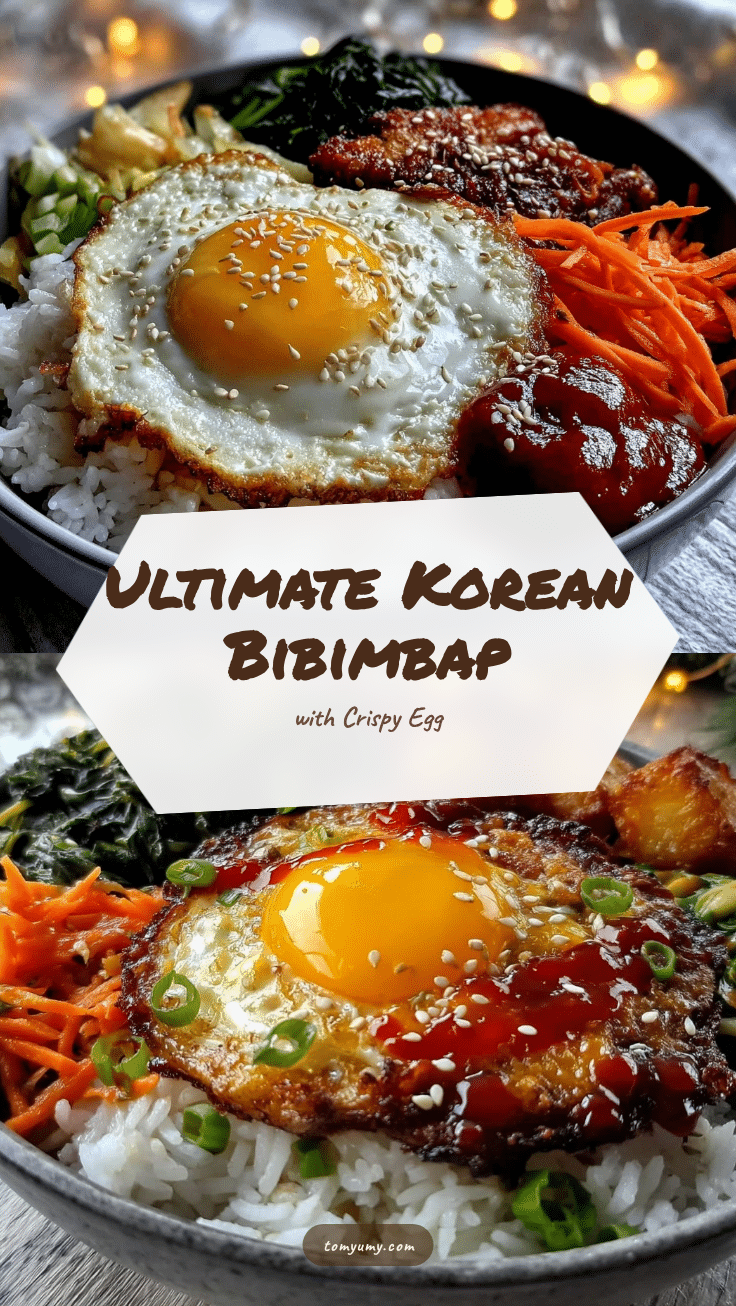
Crispy Korean Bibimbap Bowl Recipe with Easy Gochujang Sauce

A quick and easy Korean bibimbap bowl featuring crispy pan-fried rice, fresh vegetables, and a spicy-sweet gochujang sauce. Perfect for a comforting, flavorful meal with minimal fuss.
- Prep Time: 15 minutes
- Cook Time: 15 minutes
- Total Time: 30 minutes
- Yield: 2 servings 1x
- Category: Main Course
- Cuisine: Korean
Ingredients
- 2 cups cooked short-grain white rice (preferably day-old for better crispiness)
- 1 tablespoon vegetable oil (neutral oil like canola or grapeseed works best)
- 1 cup julienned carrots
- 1 cup spinach, blanched and squeezed
- 1 cup bean sprouts, lightly cooked
- ½ cup shiitake mushrooms, sliced
- 1 small cucumber, thinly sliced
- 2 green onions, sliced thin
- 2 large eggs (fried sunny side up; optional but highly recommended)
- Optional: ½ cup cooked ground beef or tofu cubes
- 3 tablespoons gochujang (Korean red chili paste)
- 1 tablespoon sesame oil
- 1 tablespoon soy sauce or tamari (for gluten-free)
- 1 tablespoon rice vinegar
- 1 tablespoon honey or sugar
- 1 teaspoon minced garlic
- Toasted sesame seeds (for garnish)
- Thin strips of nori seaweed (optional garnish)
Instructions
- Prep the rice: Use 2 cups of cooked short-grain rice refrigerated overnight or cooled for about 20 minutes if freshly cooked.
- Cook the vegetables: Blanch spinach for 30 seconds and squeeze out excess water; sauté shiitake mushrooms in 1 teaspoon oil for 3-4 minutes; steam or blanch bean sprouts for 1 minute; julienne carrots and slice cucumber thinly. Season veggies lightly with salt and a drizzle of sesame oil.
- Make the gochujang sauce: Whisk together 3 tablespoons gochujang, 1 tablespoon sesame oil, 1 tablespoon soy sauce, 1 tablespoon rice vinegar, 1 tablespoon honey, and 1 teaspoon minced garlic. Warm gently if desired.
- Fry the crispy rice: Heat 1 tablespoon vegetable oil in a pan over medium heat. Add rice, press down gently to form an even layer. Cook undisturbed for 7-10 minutes until golden and crispy. Flip sections carefully and cook the other side for 5 minutes.
- Cook the eggs: Fry 2 large eggs sunny side up with runny yolks.
- Assemble the bowl: Place crispy rice in a bowl. Arrange cooked and raw veggies on top in sections. Add protein if using, then place fried egg on top.
- Drizzle sauce and garnish: Spoon gochujang sauce over the bowl. Sprinkle toasted sesame seeds and nori strips.
- Enjoy: Mix thoroughly before eating to combine crispy, spicy, and fresh flavors.
Notes
Use day-old rice or cool freshly cooked rice to achieve the best crispy texture. Cook rice undisturbed over medium heat to form a crust. Adjust gochujang sauce sweetness and heat to taste. For vegan version, skip eggs and use tofu or tempeh, and substitute honey with maple syrup or agave. Reheat leftover rice in a skillet to restore crispiness instead of microwaving.
Nutrition
- Serving Size: 1 bowl (approximatel
- Calories: 450
- Sugar: 8
- Sodium: 700
- Fat: 18
- Saturated Fat: 3.5
- Carbohydrates: 55
- Fiber: 5
- Protein: 15
Keywords: bibimbap, Korean food, crispy rice, gochujang sauce, easy Korean recipe, weeknight dinner, vegetarian option, gluten-free