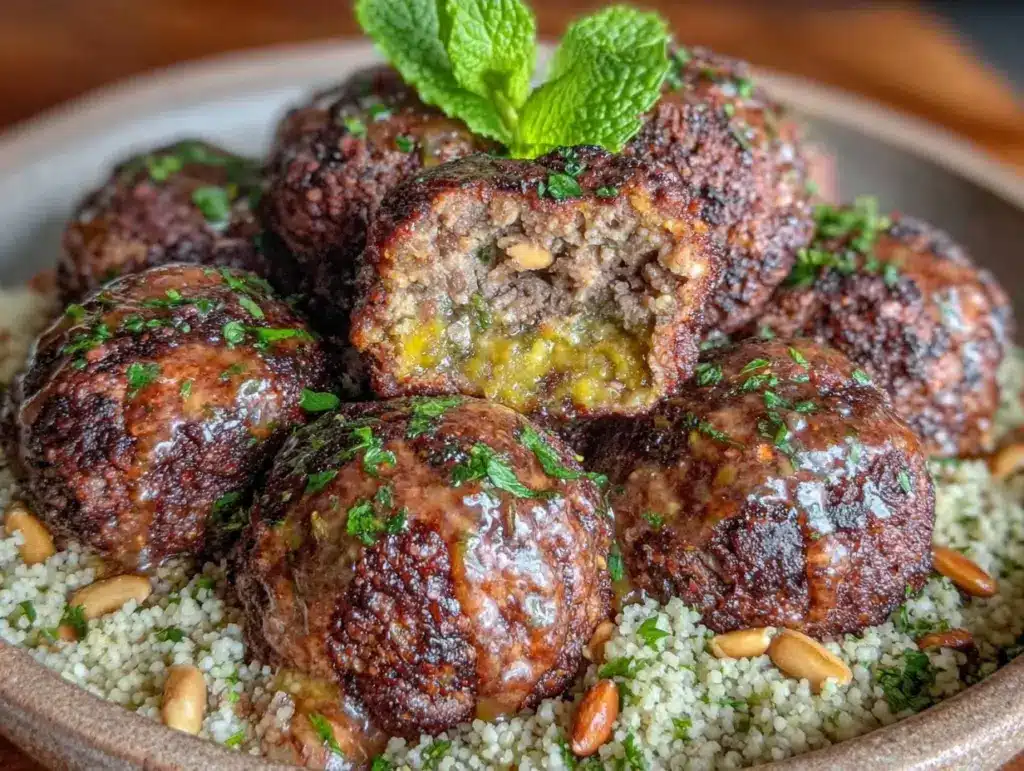
“You gotta try this,” my neighbor Samir said, holding out a small plate with these golden, nutty little orbs. It was a humid Thursday evening, and he’d just come back from the bustling market downtown, where spices and fresh produce seemed to dance in the air. I wasn’t expecting a lesson in Syrian cooking that night, especially from someone who usually talks about cars and soccer. But there I was, biting into one of his crispy kibbeh meatballs, the crunch giving way to a warmly spiced, tender center, the pine nuts adding that subtle buttery pop. Honestly, the cracked bowl I dropped trying to catch a runaway meatball was worth the mess.
Maybe you’ve been there—craving something that’s both comforting and exciting, but without the fuss of a complicated recipe. These kibbeh meatballs have stuck with me ever since, not just because they taste amazing, but because they tell a story in every bite. The bulgur wheat lends a chewy texture that balances the rich, spiced meat, while the pine nuts bring a delicate crunch that feels like a secret ingredient. I still remember the smell wafting through Samir’s kitchen, the way it pulled me right in from the hallway.
Let me tell you, this recipe isn’t just another Middle Eastern dish slapped together. It’s a humble treasure—crispy, hearty, and packed with flavors that honor tradition without being intimidating. Whether you’re a seasoned cook or just someone who enjoys good food with a story, these Syrian kibbeh meatballs promise to bring a little magic to your table.
Why You’ll Love This Crispy Syrian Kibbeh Meatballs Recipe
From my many kitchen trials and those casual chats with Samir, I can confidently say this recipe ticks all the right boxes. It’s been tested and tweaked until it hits that perfect balance of texture and flavor, and it’s family-approved (including my picky uncle, which says a lot!). Here’s why you’ll want to make it your new go-to:
- Quick & Easy: The whole process can be done in under an hour, perfect for those busy weeknights or when last-minute guests show up.
- Simple Ingredients: No exotic or hard-to-find components; bulgur wheat, ground meat, and pine nuts are pantry staples in many kitchens.
- Perfect for Entertaining: These meatballs shine at potlucks and family dinners, offering something a little different but crowd-pleasing.
- Crowd-Pleaser: Kids love the crispy texture, adults admire the rich spices, and vegetarians can easily adapt it too.
- Unbelievably Delicious: The crispy shell with the spiced, tender inside is downright addictive—trust me, you’ll find yourself sneaking seconds.
What sets this recipe apart isn’t just the ingredients, but the method: soaking and draining bulgur just right to get that perfect bite, and lightly toasting pine nuts to coax out their nuttiness before folding them in. Plus, the blend of warm spices (think cinnamon and allspice) gives it a comforting depth without overpowering the meat. Honestly, it’s the kind of dish that makes you close your eyes with the first bite and smile, a little moment of delicious calm in a hectic day.
What Ingredients You Will Need
This recipe uses straightforward, wholesome ingredients that combine to create bold flavors and a satisfying texture. Most of these are easy to find year-round, and you might already have many in your pantry.
- For the Kibbeh Shell:
- 1 cup fine bulgur wheat (soaked and drained well)
- 1 pound ground lean beef or lamb (I prefer beef for mildness)
- 1 small onion, finely grated (adds moisture and sweetness)
- 1 tsp ground allspice (for that warm, aromatic note)
- 1/2 tsp ground cinnamon (balances the meat’s richness)
- Salt and freshly ground black pepper, to taste
- For the Filling:
- 1/2 pound ground beef or lamb (separate from shell meat for layered texture)
- 1 small onion, finely chopped
- 1/3 cup pine nuts, lightly toasted (adds buttery crunch)
- 1/2 tsp ground cinnamon
- Salt and pepper, to taste
- 2 tbsp olive oil (for sautéing)
- For Frying:
- Vegetable oil or light olive oil (enough for deep frying — about 3 cups)
Ingredient tips: I usually get my bulgur wheat from Bob’s Red Mill—it’s consistently fine and cooks evenly. For pine nuts, fresh roasting in a dry pan brings out the flavor better than pre-packaged toasted ones. If you want a gluten-free version, try substituting bulgur with quinoa, though the texture will be slightly different but still delicious.
Equipment Needed
- Large mixing bowl (for combining bulgur and meat)
- Fine mesh strainer (to drain soaked bulgur thoroughly)
- Large skillet or frying pan (for sautéing the filling)
- Deep frying pan or pot (for frying the kibbeh)
- Slotted spoon or spider strainer (to safely remove hot meatballs)
- Food processor (optional but helpful to blend meat and bulgur smoothly)
- Kitchen thermometer (great for maintaining oil temperature around 350°F / 175°C)
If you don’t have a food processor, no worries! Mixing by hand works fine but takes a little elbow grease. For frying, a heavy-bottomed pot helps keep temperature steady, preventing soggy kibbeh. I’ve used budget-friendly cast iron skillets that hold heat well, and they’re a kitchen staple for me.
Preparation Method
- Soak the Bulgur: Place 1 cup of fine bulgur wheat in a large bowl and cover with cold water. Let it soak for about 20 minutes until it softens but still has some bite. Drain thoroughly using a fine mesh strainer, pressing out excess water with the back of a spoon. This step’s crucial—too much moisture and the kibbeh won’t hold its shape.
- Prepare the Kibbeh Shell Mixture: In a food processor or large bowl, combine the soaked bulgur, 1 pound ground beef (or lamb), grated onion, allspice, cinnamon, salt, and pepper. Pulse or mix until it forms a smooth, sticky dough-like consistency. If mixing by hand, knead vigorously for about 5-7 minutes to bind it well. Set aside.
- Make the Filling: Heat 2 tablespoons olive oil in a skillet over medium heat. Add chopped onion and sauté until translucent, about 5 minutes. Add 1/2 pound ground meat, cinnamon, salt, and pepper. Cook, breaking up meat, until browned and cooked through, about 8-10 minutes. Stir in toasted pine nuts, then remove from heat and let cool.
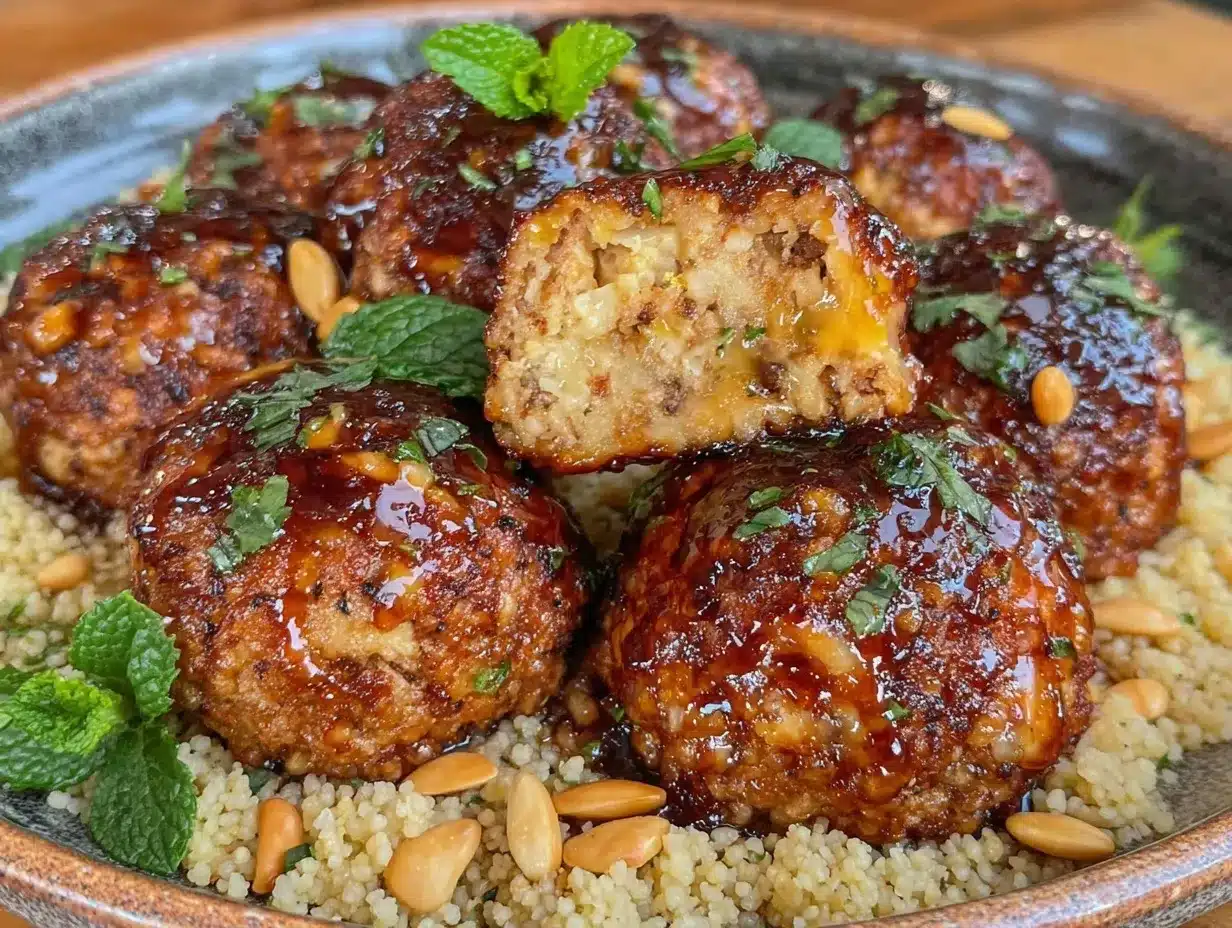
- Shape the Kibbeh: Wet your hands with cold water to prevent sticking. Take a golf ball-sized portion of the kibbeh shell mixture and flatten it into a thin oval or round disc in your palm. Carefully place about 1 tablespoon of filling in the center. Fold the edges over, sealing the filling inside, and gently shape into an egg-shaped or football-like meatball. Repeat until all mixtures are used. Don’t worry if your first few are lumpy — they get better quickly!
- Heat the Oil: Pour vegetable oil into a deep frying pan or pot to a depth of about 2 inches (5 cm). Heat to 350°F (175°C). Use a kitchen thermometer if you have one; otherwise, drop a small piece of the mixture in—if it sizzles and rises to the top, it’s ready.
- Fry the Kibbeh: Carefully lower 4-5 kibbeh meatballs into the hot oil at a time, avoiding overcrowding. Fry for about 4-5 minutes, turning occasionally, until golden brown and crispy on all sides. Remove with a slotted spoon and drain on paper towels.
- Serve Warm: These are best enjoyed fresh and hot, with a side of tangy yogurt sauce or fresh salad. If you need to hold them for a bit, keep warm in a low oven (200°F / 90°C) on a rack to avoid sogginess.
Pro tip: Don’t rush the shaping step. Wet hands and patience make all the difference. Also, keep an eye on oil temperature; too hot and the kibbeh burns outside but stays raw inside, too cool and they soak up oil. I learned this the hard way—once ended up with greasy, sad meatballs!
Cooking Tips & Techniques
Mastering crispy Syrian kibbeh meatballs is all about balancing texture and flavor. Here are some tips I picked up along the way:
- Proper Bulgur Prep: Over-soaking bulgur makes the mixture mushy; under-soaking leaves it too coarse. Aim for just softened but still slightly chewy.
- Meat Selection: Using a lean cut prevents excess fat, which can make the kibbeh greasy. I like 90% lean ground beef or lamb for richness without mess.
- Use Warm Spices: Toasting whole spices and grinding fresh can boost flavor, but if short on time, good quality pre-ground allspice and cinnamon work well.
- Seal Properly: When shaping, make sure the shell covers the filling completely to avoid leaks during frying.
- Oil Temperature: Maintaining consistent oil heat is key—too hot burns the outside, too cool leads to oily kibbeh. A thermometer helps, or test with a small piece first.
- Multitasking: While the filling cooks, prep bulgur and shape kibbeh to save time. It’s a great dish for pacing yourself and enjoying the process.
- Don’t Overcrowd the Pan: Fry in batches to keep oil temperature steady and kibbeh crispy.
One of my early attempts ended with kibbeh falling apart mid-fry because I stuffed them too full. Lesson learned: less is more when it comes to the filling!
Variations & Adaptations
This recipe is pretty flexible, so you can adjust it to suit your taste or dietary needs.
- Vegetarian Version: Swap meat with cooked lentils or finely chopped mushrooms mixed with walnuts. Add spices as usual for that warm flavor.
- Spice Level: Add a pinch of cayenne or Aleppo pepper to the shell or filling for a gentle kick.
- Cooking Method: Instead of frying, bake kibbeh meatballs at 400°F (200°C) for 20-25 minutes, turning halfway, for a lighter option. They won’t be quite as crispy but still delicious.
- Flavor Twist: Mix fresh herbs like mint or parsley into the filling for a fresh, bright note.
- Nut Alternatives: If pine nuts are pricey or unavailable, toasted almonds or walnuts make a tasty substitute.
Personally, I once tried a version with smoked paprika and sumac in the filling—unexpected but surprisingly good! It’s fun to experiment a bit once you’ve nailed the classic.
Serving & Storage Suggestions
Serve these Syrian kibbeh meatballs warm, straight from the fryer, ideally with a squeeze of fresh lemon and a dollop of cool yogurt or tzatziki. They pair beautifully with crisp salads, pickled vegetables, or even a simple garlic sauce.
If you have leftovers, store them in an airtight container in the refrigerator for up to 3 days. To reheat, pop them in a hot oven (about 350°F/175°C) for 10-15 minutes to regain crispiness. Avoid microwaving unless you’re okay with softer edges.
Freezing is also an option: flash freeze the shaped uncooked kibbeh on a baking sheet, then transfer to a freezer bag. When ready, fry from frozen, adding a minute or two to the cooking time. Flavors actually deepen a bit after resting, so this is great for make-ahead meals.
Nutritional Information & Benefits
Each serving of these kibbeh meatballs offers a hearty mix of protein, fiber, and healthy fats. Bulgur wheat is a good source of complex carbohydrates and fiber, supporting digestion and steady energy levels. Pine nuts provide heart-healthy monounsaturated fats and vitamin E, while the lean meat contributes essential protein and iron.
This recipe can fit into balanced diets, especially when paired with fresh vegetables and yogurt. For gluten-free diners, try substituting bulgur with cooked quinoa or gluten-free cracked wheat alternatives.
From a personal wellness perspective, I appreciate how this dish satisfies cravings for comfort food without feeling heavy or overloaded. It’s a satisfying treat that feels nourishing and balanced.
Conclusion
Crispy Syrian kibbeh meatballs with bulgur wheat and pine nuts are one of those recipes that stick with you—not just for their taste, but for the stories and moments they bring to your table. They’re approachable, flavorful, and versatile enough to please a crowd or a quiet dinner for two.
Feel free to adjust spices, fillings, or cooking methods to fit your preferences—this recipe welcomes your personal touch. I love making these whenever I want a little taste of something familiar yet exciting, and I hope you find the same joy in them.
Give them a try and let me know how yours turn out! Share your twists or questions below—I’m always up for hearing your kibbeh adventures. Happy cooking!
Frequently Asked Questions About Syrian Kibbeh Meatballs
What is kibbeh made of?
Kibbeh typically consists of bulgur wheat mixed with ground meat (usually beef or lamb), seasoned with spices like allspice and cinnamon. It can be shaped and fried, baked, or served raw depending on the recipe.
Can I make kibbeh ahead of time?
Yes! You can shape the kibbeh meatballs and refrigerate them for a few hours before frying. They also freeze well uncooked and cooked, allowing for easy meal prep.
How do I prevent kibbeh from falling apart while frying?
Make sure the bulgur is well soaked and drained, and the meat mixture is kneaded thoroughly to bind. Also, avoid overfilling the meatballs and maintain proper oil temperature during frying.
Is there a vegetarian version of kibbeh?
Absolutely! Replace the meat with ingredients like cooked lentils, mushrooms, or mashed chickpeas combined with nuts and spices to create a delicious vegetarian kibbeh.
What can I serve with crispy kibbeh meatballs?
They go wonderfully with yogurt or tahini sauces, fresh salads, pickled vegetables, or simple sides like rice pilaf or roasted veggies for a complete meal.
Pin This Recipe!

Crispy Syrian Kibbeh Meatballs Recipe with Bulgur Wheat Pine Nuts Easy
These crispy Syrian kibbeh meatballs combine bulgur wheat, spiced ground meat, and toasted pine nuts for a flavorful, crunchy exterior and tender center. Perfect for a quick, comforting Middle Eastern dish that pleases the whole family.
- Prep Time: 25 minutes
- Cook Time: 15 minutes
- Total Time: 40 minutes
- Yield: 12 servings 1x
- Category: Main Course
- Cuisine: Syrian, Middle Eastern
Ingredients
- 1 cup fine bulgur wheat (soaked and drained well)
- 1 pound ground lean beef or lamb
- 1 small onion, finely grated
- 1 tsp ground allspice
- 1/2 tsp ground cinnamon
- Salt and freshly ground black pepper, to taste
- 1/2 pound ground beef or lamb (for filling)
- 1 small onion, finely chopped
- 1/3 cup pine nuts, lightly toasted
- 1/2 tsp ground cinnamon
- Salt and pepper, to taste
- 2 tbsp olive oil (for sautéing)
- Vegetable oil or light olive oil (about 3 cups for deep frying)
Instructions
- Soak 1 cup of fine bulgur wheat in cold water for about 20 minutes until softened but still slightly chewy. Drain thoroughly using a fine mesh strainer, pressing out excess water.
- In a food processor or large bowl, combine soaked bulgur, 1 pound ground beef or lamb, grated onion, allspice, cinnamon, salt, and pepper. Pulse or knead by hand until smooth and sticky. Set aside.
- Heat 2 tablespoons olive oil in a skillet over medium heat. Sauté chopped onion until translucent, about 5 minutes. Add 1/2 pound ground meat, cinnamon, salt, and pepper. Cook until browned and cooked through, about 8-10 minutes. Stir in toasted pine nuts and let cool.
- Wet hands with cold water. Take a golf ball-sized portion of the kibbeh shell mixture and flatten into a thin oval or round disc. Place about 1 tablespoon of filling in the center. Fold edges over to seal and shape into an egg-shaped meatball. Repeat with remaining mixture.
- Heat vegetable oil in a deep frying pan or pot to 2 inches depth and heat to 350°F (175°C).
- Fry 4-5 kibbeh meatballs at a time, turning occasionally, for 4-5 minutes until golden brown and crispy. Remove with a slotted spoon and drain on paper towels.
- Serve warm with yogurt sauce, fresh salad, or lemon wedges.
Notes
Soak bulgur just enough to soften but keep some chewiness to help kibbeh hold shape. Use lean meat to avoid greasy kibbeh. Maintain oil temperature around 350°F to ensure crispy exterior and fully cooked interior. Wet hands when shaping to prevent sticking. Fry in batches to avoid overcrowding and temperature drop. For gluten-free version, substitute bulgur with quinoa.
Nutrition
- Serving Size: 1 kibbeh meatball (a
- Calories: 180
- Sugar: 1
- Sodium: 220
- Fat: 11
- Saturated Fat: 3.5
- Carbohydrates: 12
- Fiber: 2
- Protein: 10
Keywords: kibbeh, Syrian kibbeh, meatballs, bulgur wheat, pine nuts, Middle Eastern recipe, crispy kibbeh, easy kibbeh recipe