“You know, I never thought pizza night could be this simple until the morning I found myself staring at an empty fridge with only self-rising flour and Greek yogurt left.” That was the moment this easy 2-ingredient flatbread dough recipe was born. Honestly, I was pretty skeptical at first — how good could a dough be without yeast or any fancy ingredients? But after a few tries, this humble dough became my secret weapon for last-minute homemade pizza nights that feel like a treat rather than a chore.
One evening, after a long day juggling work and errands, I just wanted something quick and comforting. I threw together this dough in under 10 minutes and topped it with whatever was around. The result? Crispy edges, chewy middle, and a crust that had everyone asking if I’d spent hours prepping. It’s funny how the simplest things sometimes surprise us the most. This dough stuck around in my rotation because it’s so effortless yet satisfying—it’s that quiet little recipe that delivers exactly what you need, no fuss, just good food.
What really keeps me coming back to this recipe is how forgiving it is. Whether I’m experimenting with different toppings or making a quick snack, the dough adapts without complaining. If you’re anything like me—someone who values quick meals that still feel homemade—this flatbread dough might just become your new favorite hack. No yeast, no rising time, just two ingredients and a happy kitchen.
Why You’ll Love This Recipe
After testing this easy 2-ingredient flatbread dough recipe multiple times, I can say it’s a total game-changer for casual cooks and busy weeknights alike. Here’s why it’s so special:
- Quick & Easy: Comes together in under 10 minutes, making it perfect for those spontaneous pizza cravings or when you’re short on time.
- Simple Ingredients: Just self-rising flour and Greek yogurt, both pantry staples that you probably already have on hand.
- Perfect for Casual Gatherings: Whether it’s a family dinner or a relaxed night with friends, this dough makes homemade pizza accessible and fun.
- Crowd-Pleaser: Kids and adults alike love the crispy yet tender texture—it’s a safe bet for picky eaters, too.
- Unbelievably Delicious: The slight tang from the yogurt gives the crust a subtle depth of flavor that pairs beautifully with any topping.
What sets this recipe apart is its simplicity without compromising texture or flavor. You’re not waiting around for dough to rise or fiddling with yeast—just mix, roll, and bake. It’s a streamlined approach that still feels homemade and satisfying. Plus, the yogurt adds moisture and tenderness in a way that makes the crust delightfully chewy, a quality I didn’t expect from just two ingredients.
For anyone who’s ever felt the stress of prepping pizza dough or dreaded last-minute dinner decisions, this recipe is a breath of fresh air. It’s the kind of quick comfort food that lets you relax and enjoy the moment, with zero guilt or hassle.
What Ingredients You Will Need
This easy 2-ingredient flatbread dough recipe relies on just a couple of straightforward components that come together to create a surprisingly tasty and versatile base. These ingredients are either pantry staples or easily found at any grocery store, so no special trips required.
- Self-Rising Flour – 1 cup (120g): This is the star ingredient for the dough’s structure. It already contains baking powder and salt, which means no need to add extra leavening agents. If you don’t have self-rising flour, you can make your own by combining all-purpose flour with baking powder and salt (1 cup all-purpose flour + 1 1/2 tsp baking powder + 1/4 tsp salt).
- Greek Yogurt – 1 cup (240g), full-fat or plain: The yogurt brings moisture and a slight tang to the dough, plus it keeps the texture tender and chewy. I usually use a thick, creamy brand like Fage or Chobani for best results. Low-fat or dairy-free yogurt can work, but the texture may vary slightly.
Optional: A pinch of garlic powder, dried herbs like oregano or basil, or a dash of olive oil can be added to the dough for extra flavor, but they’re not necessary for the basic recipe. When I’m feeling fancy, I toss in a little garlic powder—just a personal favorite tweak.
This recipe’s beauty lies in its flexibility—you can easily swap in gluten-free self-rising flour blends to make a gluten-free dough or use dairy-free yogurt alternatives to suit dietary needs. For a seasonal twist, try topping your flatbread with savory jalapeño popper-style toppings for a spicy kick.
Equipment Needed
- Mixing Bowl: A medium-sized bowl to combine your flour and yogurt. A glass or stainless steel bowl works well.
- Wooden Spoon or Spatula: For stirring the dough before kneading.
- Clean Surface or Pastry Mat: To knead and roll out the dough. I like using a silicone pastry mat because it’s easy to clean and prevents sticking.
- Rolling Pin: Optional but helpful for rolling out the dough evenly. If you don’t have one, your hands will do just fine for flattening the dough.
- Skillet or Baking Sheet: A cast iron skillet gives the flatbread a great crispy crust when cooked on the stove, but a baking sheet works if you prefer baking in the oven.
- Oven or Stovetop: Both methods work; I usually use the stovetop skillet option for that quick, golden crust.
For budget-friendly options, a sturdy wooden spoon and a baking sheet you already own will get the job done perfectly well. I’ve had good luck with my 10-inch cast iron skillet, which adds a nice char to the dough without extra oil.
Preparation Method
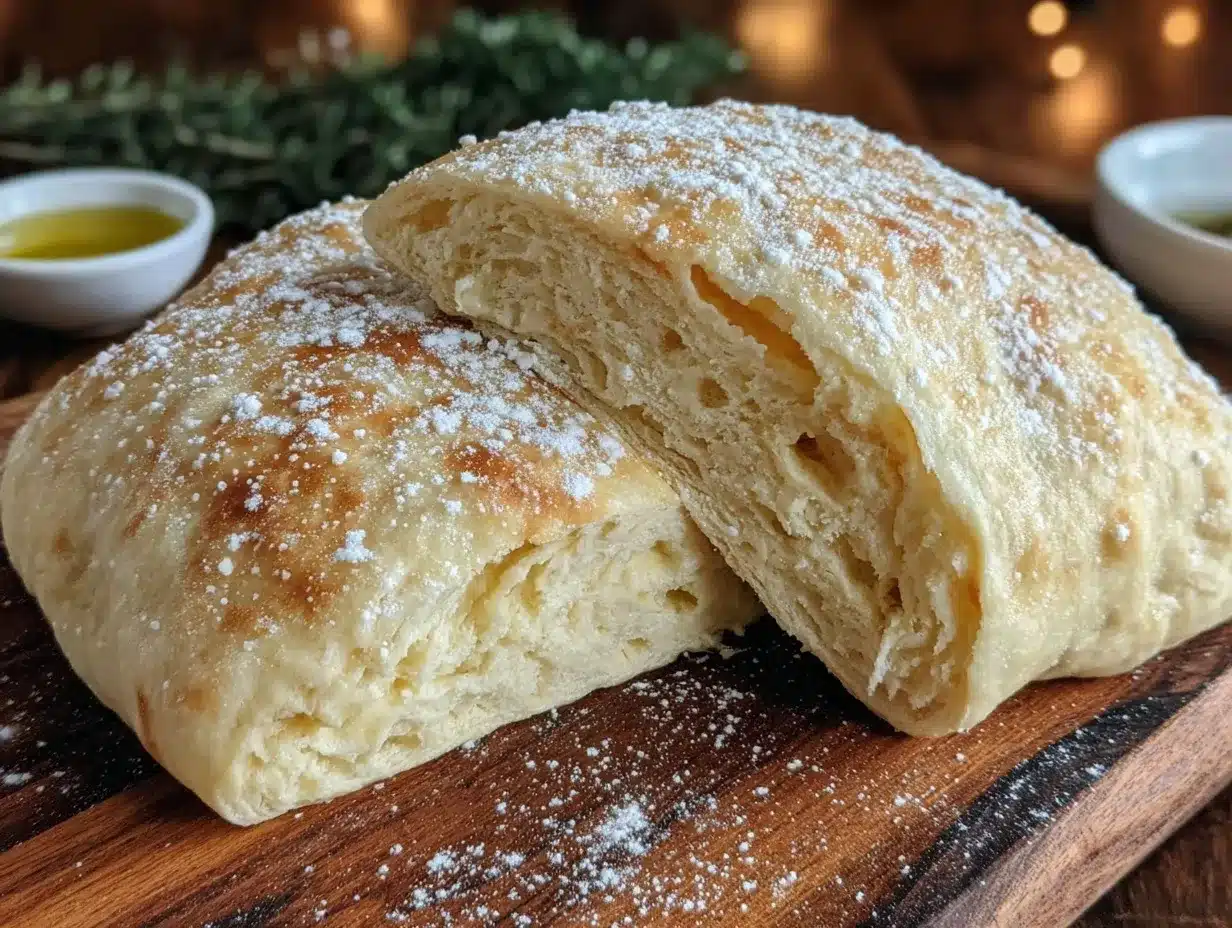
- Mix the Ingredients: In a medium bowl, combine 1 cup (120g) of self-rising flour with 1 cup (240g) of plain Greek yogurt. Stir together with a wooden spoon or spatula until the dough starts to come together. It will be sticky but manageable. (About 2-3 minutes)
- Knead the Dough: Lightly flour your work surface. Dump the dough onto it and knead gently for about 3-4 minutes. Add a little flour if the dough is too sticky, but try to keep it soft and pliable. You want it smooth, elastic, and slightly tacky—not dry or crumbly.
- Divide and Shape: Divide the dough into 2 or 3 equal portions depending on the size of flatbreads you want. Roll each piece into a ball, then flatten with your hands or rolling pin to about 1/4 inch (6 mm) thickness. Don’t worry about perfect circles — rustic shapes work great here.
- Cook the Flatbread: Heat a dry cast iron skillet or nonstick pan over medium heat. Place one piece of dough in the pan. Cook for about 2-3 minutes until bubbles form on the surface and the bottom is golden brown. Flip carefully with a spatula and cook the other side for another 2 minutes.
- Add Toppings (Optional): If making pizza, transfer the cooked flatbread to a baking sheet, add sauce, cheese, and toppings, then bake in a preheated oven at 400°F (200°C) for 5-7 minutes until cheese melts and toppings are heated through.
- Serve Warm: Enjoy your flatbread fresh from the pan or oven. The crust should be crisp on the outside and tender inside, with a slight tang from the yogurt.
Pro tip: If your dough feels too sticky while rolling, dust your hands or rolling pin lightly with flour rather than adding too much to the dough. Also, keep an eye on the heat when cooking flatbreads on the stovetop — too hot and they might burn before cooking through; too low and they’ll be pale and doughy.
Cooking Tips & Techniques
From my kitchen experiments, a few pointers have made this easy 2-ingredient flatbread dough even better. First, the key to a great texture is not overworking the dough. Knead just enough for it to become smooth — over-kneading can make the flatbread tough.
Another thing I learned the hard way is the importance of using self-rising flour. Regular all-purpose flour alone won’t give the same lightness, unless you add baking powder and salt yourself. This little shortcut really makes the dough come alive quickly.
When cooking on the stovetop, patience is your friend. Let the dough brown nicely before flipping. You’ll smell a toasty aroma when it’s ready to turn. If you rush, the flatbread might tear or stick.
For toppings, I suggest baking the topped flatbread rather than cooking everything in the skillet. This keeps the crust crispy and prevents sogginess. I often pair this dough with fresh mozzarella and cherry tomatoes—simple, fresh, and delicious.
Lastly, if you want to prep ahead, you can make the dough, wrap it in plastic, and refrigerate for up to 24 hours. Just bring it back to room temperature before rolling out.
Variations & Adaptations
This 2-ingredient flatbread dough is a fantastic base for many creative spins. Here are a few ideas I’ve tried or considered:
- Herbed Flatbread: Add a teaspoon of dried oregano, rosemary, or thyme into the dough for a fragrant twist.
- Gluten-Free Version: Use a gluten-free self-rising flour blend to make this dough suitable for gluten-sensitive guests.
- Whole Wheat Swap: Substitute half of the self-rising flour with whole wheat flour for a nuttier flavor and more fiber.
- Spicy Flatbread: Mix in a pinch of chili flakes or smoked paprika into the dough to give a subtle heat that pairs well with spicy toppings.
For cooking methods, you can also grill the flatbreads for a smoky flavor that’s perfect for summer cookouts. Just preheat your grill and cook each flatbread for 2-3 minutes per side.
Personally, I once made a quick flatbread pizza topped with sautéed mushrooms and caramelized onions, which paired wonderfully with the soft, tangy crust. It’s a great way to transform this simple dough into something a bit more gourmet without extra fuss.
Serving & Storage Suggestions
Serve this flatbread warm right after cooking for the best texture — crispy edges and soft center are most noticeable when fresh. I like to cut it into wedges for sharing or use it as a base for quick pizzas topped with tomato sauce, cheese, and fresh basil.
This flatbread pairs beautifully with light salads or easy sides like roasted vegetables. If you want to keep the meal casual and comforting, try serving alongside a bowl of creamy baked mac and cheese for a cozy dinner.
To store leftover flatbread, wrap it tightly in plastic wrap or place in an airtight container. It keeps well in the refrigerator for 2-3 days. Reheat gently in a warm skillet or oven to revive crispness. Avoid microwaving if you want to keep it from becoming chewy or soggy.
Flatbreads also freeze beautifully — just wrap tightly in foil, place in a freezer bag, and freeze for up to 2 months. Thaw at room temperature and reheat before serving. Over time, the flavors develop a bit richer, especially if you’ve added herbs or spices to the dough.
Nutritional Information & Benefits
This easy 2-ingredient flatbread dough is surprisingly wholesome given its simplicity. One serving (about 1/4 of the dough) offers approximately:
| Nutrient | Amount |
|---|---|
| Calories | 180-220 kcal |
| Protein | 7-9 grams |
| Fat | 3-5 grams (mostly from yogurt) |
| Carbohydrates | 30-35 grams |
| Fiber | 1-2 grams |
Greek yogurt contributes protein and probiotics, which can support digestive health. Using self-rising flour means this recipe contains some sodium and leavening agents naturally, so it’s a good idea to balance the rest of your meal accordingly.
This recipe can easily be adapted for gluten-free or dairy-free diets as well. For those watching carbs, trying a cauliflower crust or pairing the flatbread with veggie-heavy toppings can keep the meal lighter.
Conclusion
Honestly, this easy 2-ingredient flatbread dough has become a quiet staple in my kitchen because it delivers big on flavor and texture with minimal effort. It’s one of those rare recipes that feels like a shortcut but tastes homemade and satisfying. Whether you’re feeding a hungry family or making a quick snack for yourself, this dough is ready to jump into action.
Feel free to make it your own by adding herbs, spices, or your favorite toppings. I love how it handles all sorts of flavors without fuss, making every pizza night feel a little special. If you’re curious about other easy homemade doughs or comforting dishes, you might enjoy my cheesy jalapeño popper cornbread casserole — another quick favorite that pairs well with simple weeknight meals.
Give this dough a try and see how easy pizza night can really be. I’d love to hear how you customize it or what toppings you choose — leave a comment below to share your twists!
FAQs about Easy 2-Ingredient Flatbread Dough
Can I use regular all-purpose flour instead of self-rising flour?
You can, but you’ll need to add 1 1/2 teaspoons baking powder and 1/4 teaspoon salt per cup of all-purpose flour to mimic self-rising flour’s effect.
What if my dough is too sticky to handle?
Dust your hands and work surface lightly with flour and knead gently. Adding too much flour can make the dough tough, so add just enough to make it manageable.
Can I make this dough ahead of time?
Yes! Wrap the dough tightly in plastic wrap and refrigerate for up to 24 hours. Let it come to room temperature before rolling out.
Is this dough suitable for gluten-free diets?
Use a gluten-free self-rising flour blend to make a gluten-free version. Texture may vary slightly, but it still works well.
How should I store leftover flatbread?
Store in an airtight container in the fridge for 2-3 days or freeze wrapped tightly for up to 2 months. Reheat in a skillet or oven to keep it crispy.
Pin This Recipe!
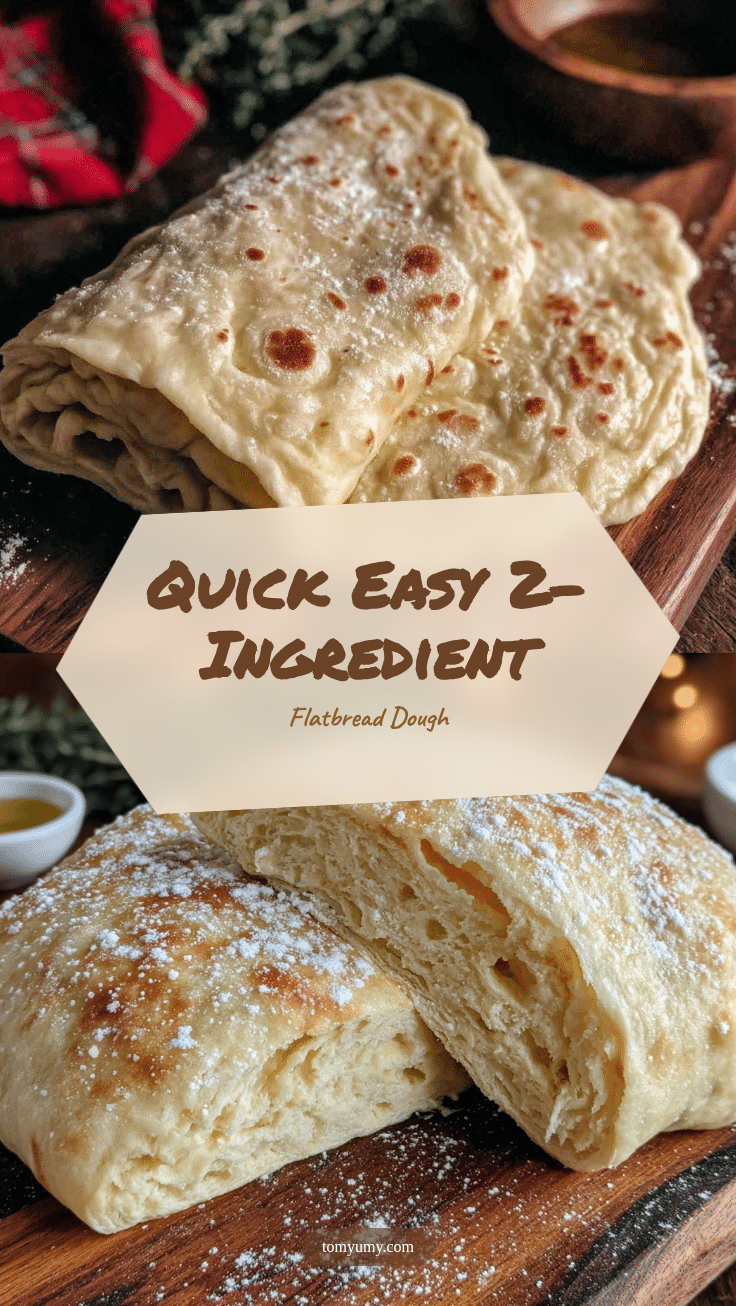
Easy 2-Ingredient Flatbread Dough Recipe for Quick Pizza Night

A simple and quick flatbread dough made with just self-rising flour and Greek yogurt, perfect for last-minute homemade pizza nights with a crispy, chewy crust.
- Prep Time: 5 minutes
- Cook Time: 10 minutes
- Total Time: 15 minutes
- Yield: 2-3 flatbreads (about 4 servings) 1x
- Category: Main Course
- Cuisine: American
Ingredients
- 1 cup (120g) self-rising flour
- 1 cup (240g) plain Greek yogurt, full-fat or plain
- Optional: pinch of garlic powder
- Optional: dried herbs like oregano or basil
- Optional: dash of olive oil
Instructions
- In a medium bowl, combine 1 cup (120g) of self-rising flour with 1 cup (240g) of plain Greek yogurt. Stir together with a wooden spoon or spatula until the dough starts to come together. It will be sticky but manageable (about 2-3 minutes).
- Lightly flour your work surface. Dump the dough onto it and knead gently for about 3-4 minutes. Add a little flour if the dough is too sticky, but keep it soft and pliable. You want it smooth, elastic, and slightly tacky—not dry or crumbly.
- Divide the dough into 2 or 3 equal portions depending on the size of flatbreads you want. Roll each piece into a ball, then flatten with your hands or rolling pin to about 1/4 inch (6 mm) thickness. Rustic shapes are fine.
- Heat a dry cast iron skillet or nonstick pan over medium heat. Place one piece of dough in the pan. Cook for about 2-3 minutes until bubbles form on the surface and the bottom is golden brown. Flip carefully and cook the other side for another 2 minutes.
- If making pizza, transfer the cooked flatbread to a baking sheet, add sauce, cheese, and toppings, then bake in a preheated oven at 400°F (200°C) for 5-7 minutes until cheese melts and toppings are heated through.
- Serve the flatbread warm. The crust should be crisp on the outside and tender inside, with a slight tang from the yogurt.
Notes
If dough is too sticky, dust hands and rolling pin lightly with flour rather than adding too much flour to the dough. Cook flatbreads on medium heat to avoid burning or undercooking. Dough can be refrigerated for up to 24 hours wrapped tightly in plastic wrap. Leftover flatbread stores well in the fridge for 2-3 days or frozen for up to 2 months.
Nutrition
- Serving Size: About 1/4 of the dou
- Calories: 200
- Sugar: 2
- Sodium: 250
- Fat: 4
- Saturated Fat: 2
- Carbohydrates: 33
- Fiber: 1.5
- Protein: 8
Keywords: flatbread, 2-ingredient dough, quick pizza dough, easy flatbread, Greek yogurt dough, self-rising flour, homemade pizza, quick dinner