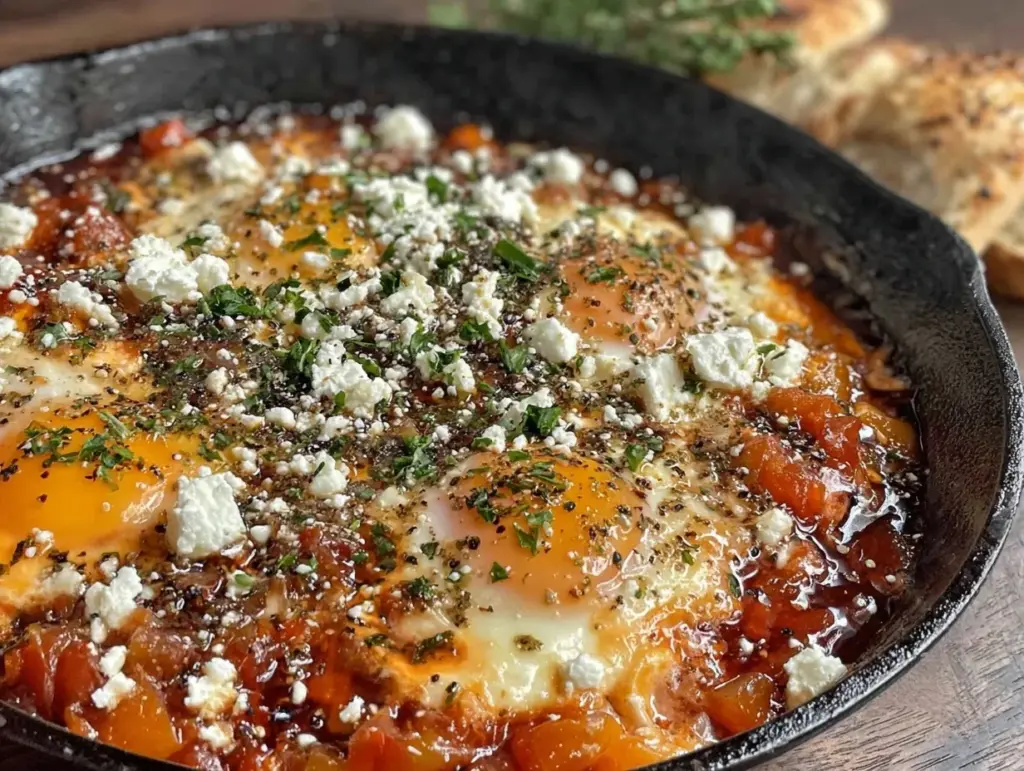
“You ever have one of those nights where the power flickers out, and suddenly the kitchen becomes this cozy little island of warmth and light? That’s exactly what happened last Thursday, and honestly, it led me to rediscover one of my all-time favorite dishes: Israeli shakshuka with feta and za’atar. I wasn’t planning to cook anything fancy—just rummaging through the pantry and fridge, trying to whip something up before the candles ran out. I grabbed some canned tomatoes, eggs, and then spotted a packet of za’atar that my neighbor Shira had given me last summer. She swore by it but I hadn’t used it much until then.
The sizzle when the tomatoes hit the hot pan was like music, and I made a bit of a mess—spattering sauce on the counter and even dropping a cracked egg shell into the mix. But that first bite? Oh man, the tang of feta and the earthy za’atar blew me away. It was like a little trip to a sun-soaked market in Tel Aviv, right in my tiny kitchen. Maybe you’ve been there too—when a simple, unplanned dinner ends up becoming a new favorite. This recipe stuck with me because it’s just that approachable, comforting, and packed with flavor, no matter your cooking skill. Plus, it’s got that perfect balance of spicy, tangy, and herbaceous notes that keep me coming back for more.”
Why You’ll Love This Recipe
After many kitchen trials and a few too many burnt attempts, this Israeli shakshuka with feta and za’atar has become my go-to for a fuss-free, delicious meal. Here’s why it will probably win you over, too:
- Quick & Easy: Ready in under 30 minutes, which means you can satisfy those sudden cravings or whip up a cozy meal after a long day.
- Simple Ingredients: No need for exotic trips to specialty stores — pantry staples and a few fresh items make this flavor bomb.
- Perfect for Any Meal: Whether it’s brunch with friends, a casual dinner, or even breakfast-for-dinner, shakshuka fits right in.
- Crowd-Pleaser: I’ve served this to skeptical eaters who ended up asking for seconds. Kids and adults alike love the rich tomato sauce and creamy eggs.
- Unbelievably Delicious: The combination of tangy feta and aromatic za’atar turns a classic dish into something special — trust me, your taste buds will thank you.
What sets this version apart is the za’atar sprinkle. It’s that little herbaceous twist that adds depth without overpowering the dish. Plus, I blend the feta right into the sauce for pockets of creamy bursts, rather than just crumbling it on top. It’s comfort food that feels a bit elevated but never complicated — exactly what I look for in a weekday recipe.
What Ingredients You Will Need
This recipe calls for straightforward, wholesome ingredients that come together to create bold flavors and a satisfying texture. Most of these are pantry staples—you might already have them on hand!
- Olive oil: 2 tablespoons (extra virgin recommended for best flavor)
- Onion: 1 medium, finely chopped (yellow or white works)
- Garlic cloves: 3, minced (adds that punch of aromatic warmth)
- Red bell pepper: 1 medium, diced (for sweetness and color)
- Canned crushed tomatoes: 28 ounces (about 800 grams) (I prefer San Marzano brands for a richer taste)
- Tomato paste: 2 tablespoons (helps thicken and deepen the sauce)
- Za’atar: 2 teaspoons (plus extra for garnish; if you can’t find za’atar, a mix of thyme, sesame seeds, and sumac works)
- Ground cumin: 1 teaspoon (adds earthiness)
- Smoked paprika: 1 teaspoon (optional but gives a lovely smoky depth)
- Salt and pepper: to taste
- Eggs: 4 large (room temperature helps them cook evenly)
- Feta cheese: 4 ounces (about 115 grams), crumbled (I recommend a tangy, creamy feta like Dodoni or Athenos)
- Fresh parsley or cilantro: a handful, chopped (for garnish and freshness)
- Lemon wedges: for serving (adds brightness)
If you want to swap some ingredients, feel free! Use almond flour tortillas on the side for a gluten-free option or swap feta for a dairy-free cheese if needed. In summer, fresh cherry tomatoes chopped up can replace canned for a lighter feel.
Equipment Needed
- Large skillet or sauté pan: Preferably cast iron or heavy-bottomed to hold heat well and cook the sauce evenly.
- Spoon or spatula: For stirring the sauce and gently creating wells for the eggs.
- Knife and chopping board: For prepping veggies and herbs.
- Lid or large plate: To cover the pan while eggs cook (helps steam them just right).
- Measuring spoons and cups: To keep ingredient ratios spot on.
If you don’t have a cast iron pan, a regular non-stick skillet works fine—just keep an eye on the heat to avoid burning the sauce. Using a lid is essential to cook the eggs perfectly without drying them out; I sometimes use a large oven-safe plate if I’m missing a lid. And honestly, a sharp knife makes all the difference when chopping onions and peppers quickly and safely!
Preparation Method
- Heat the olive oil in your skillet over medium heat for about 2 minutes until shimmering but not smoking.
- Add the chopped onion and sauté for 5-7 minutes, stirring occasionally, until softened and translucent. You’ll notice a sweet aroma developing—this is your flavor base.
- Stir in the minced garlic and diced red bell pepper, cooking another 3-4 minutes until the peppers soften but still hold some bite.
- Mix in the tomato paste, cumin, smoked paprika, and za’atar. Cook for 1-2 minutes, stirring constantly to toast the spices and deepen their aroma.
- Pour in the crushed tomatoes and stir well to combine. Reduce heat to medium-low, and let the sauce simmer gently for 10-12 minutes. It should thicken slightly and taste rich and vibrant. Season with salt and pepper to your liking.
- Make four small wells in the sauce with the back of your spoon. Crack an egg into each well carefully, avoiding breaking the yolks.
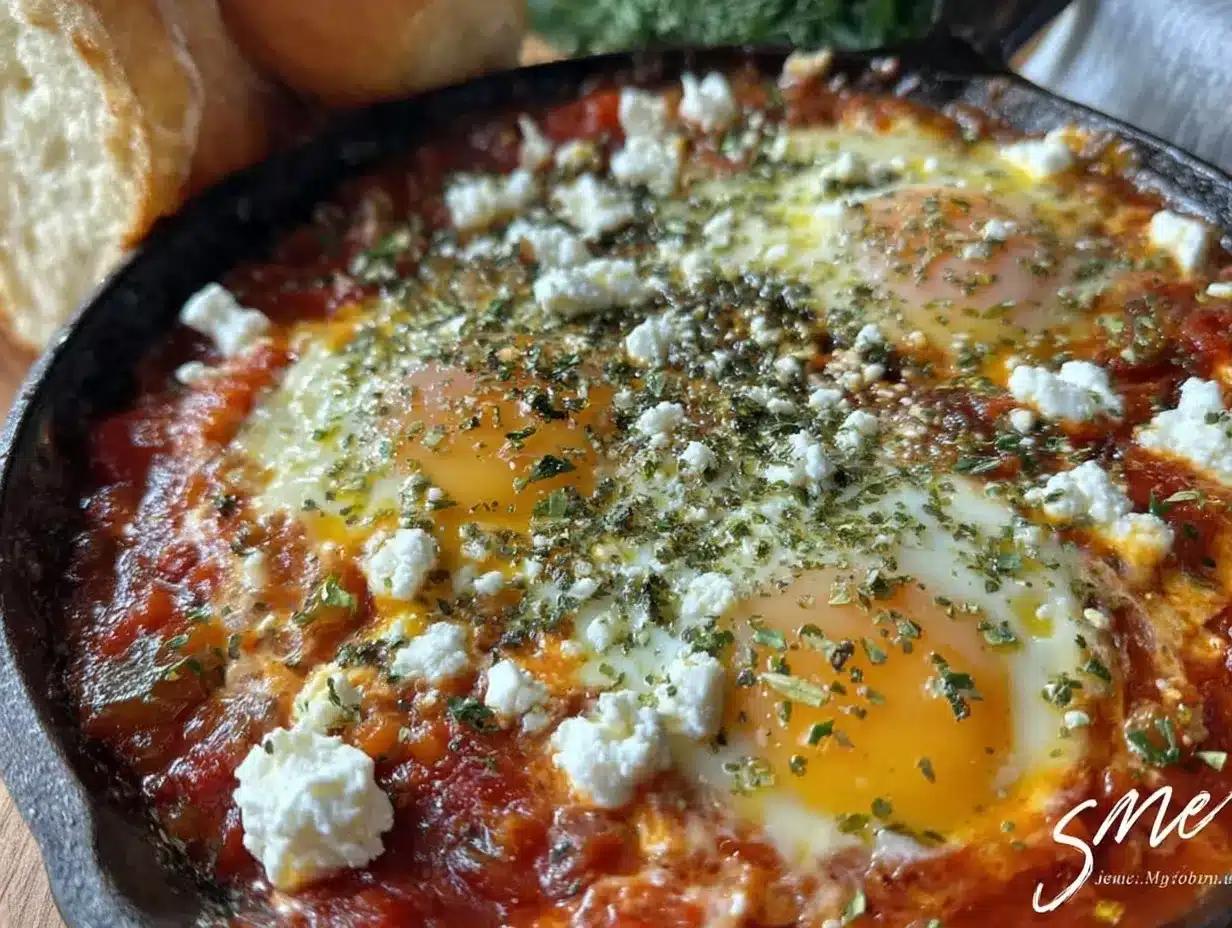
- Sprinkle the crumbled feta over the entire skillet, letting some settle around the eggs.
- Cover the skillet with the lid or a large plate and cook for 6-9 minutes, depending on how runny you like your eggs. Keep an eye on the whites—they should be set but yolks still soft.
- Remove from heat and garnish with chopped parsley or cilantro and an extra pinch of za’atar.
- Serve hot with lemon wedges on the side to squeeze over just before eating.
Pro tip: If the sauce thickens too much while simmering, splash in a tablespoon or two of water to loosen it up. The goal is a saucy, rich base—not dry or paste-like. Also, if you accidentally break a yolk, just roll with it—it still tastes amazing!
Cooking Tips & Techniques
For the best shakshuka experience, here are a few things I’ve learned the hard way:
- Room temperature eggs cook more evenly and reduce the chance of cracking when added to the sauce.
- Don’t rush the sauce simmering stage. Letting the tomatoes cook down intensifies the flavor and reduces watery texture.
- Use fresh za’atar if possible. Its fragrance fades quickly, so a recently opened pack makes a noticeable difference.
- Cover the pan while cooking eggs. This traps steam and cooks the tops gently without overcooking the yolks.
- Keep the heat moderate. Too high, and the sauce might burn before the eggs are done; too low, and it’ll take forever.
- Multitasking tip: While the sauce simmers, chop herbs and prep your sides to save time.
- Don’t forget the lemon wedges. That bright acidity cuts through the richness and wakes up the whole dish.
Once, I left the eggs uncovered and the whites turned rubbery—lesson learned! Also, I sometimes add a pinch of sugar if the tomatoes taste too acidic, but that depends on your canned tomatoes.
Variations & Adaptations
If you’re feeling adventurous or have dietary needs, shakshuka is super flexible:
- Spicy kick: Add a chopped jalapeño or a pinch of red pepper flakes during the sautéing stage for heat.
- Vegan version: Omit eggs and feta, and add crumbled tofu or chickpeas for protein. Use nutritional yeast for a cheesy flavor.
- Green shakshuka: Swap tomatoes for a mix of sautéed spinach, kale, and green peppers, seasoned with za’atar and lemon juice.
- Different cheeses: Instead of feta, try goat cheese or halloumi for a different texture and tang.
- Cooking method switch: Bake the shakshuka in the oven at 375°F (190°C) for 12-15 minutes instead of stovetop for a hands-off approach.
Once, I tried adding roasted eggplant cubes and it turned the dish into a smoky, heartier meal that my family loved. Feel free to customize the spice blend or veggies based on what’s in your fridge—it’s tough to go wrong here.
Serving & Storage Suggestions
This shakshuka is best served hot and fresh, right from the pan. I like to serve it with warm crusty bread, pita, or even some toasted flatbreads for scooping up the sauce and runny yolks. A simple side salad or olives complement it beautifully.
Leftovers can be refrigerated in an airtight container for up to 2 days. When reheating, do so gently on the stovetop or in the microwave at medium power to avoid overcooking the eggs. Sometimes the sauce thickens overnight, so a splash of water or olive oil can help loosen it up before serving again.
Flavors tend to meld and deepen after a day, but I find the eggs don’t always keep their silky texture. For the best experience, making a fresh batch is worth the effort.
Nutritional Information & Benefits
This Israeli shakshuka with feta and za’atar is a nutrient-rich dish that offers a good balance of protein, healthy fats, and vitamins. Eggs provide high-quality protein and essential amino acids, while tomatoes are packed with antioxidants like lycopene.
Za’atar adds not only flavor but also beneficial herbs and sesame seeds, which contain healthy fats and minerals. Feta cheese contributes calcium and a tangy flavor without overwhelming the dish. Overall, this recipe is gluten-free and can be made vegetarian or vegan with simple swaps.
It’s a satisfying meal that fuels your body without feeling heavy—perfect for those who want wholesome comfort food without the guilt.
Conclusion
So, if you’re looking for a flavorful, easy-to-make meal that feels both comforting and a bit exotic, this Israeli shakshuka with feta and za’atar is your ticket. It’s a dish that keeps me coming back, especially on nights when I want something cozy but not fussy. The way the tangy cheese, aromatic herbs, and rich tomato sauce come together—it’s just magic.
Feel free to tweak it to your taste, add your favorite veggies, or make it spicier. I’d love to hear how you make it your own, so please drop a comment or share your version. Trust me, once you try this recipe, it might just become one of your kitchen staples too!
Happy cooking and enjoy every delicious bite!
FAQs
What is shakshuka and where does it come from?
Shakshuka is a Middle Eastern and North African dish of poached eggs in a spicy tomato and pepper sauce. It’s especially popular in Israeli cuisine but has roots in Tunisian and other Maghrebi cuisines.
Can I make shakshuka ahead of time?
You can prepare the sauce ahead and store it refrigerated for up to 2 days, then add and cook the eggs when ready to serve for best texture.
What can I use if I can’t find za’atar?
Mix dried thyme, sesame seeds, and a pinch of sumac as a substitute. You can also find za’atar in Middle Eastern markets or online.
How do I know when the eggs are perfectly cooked?
The whites should be set and opaque, while the yolks remain slightly runny. Usually, 6-9 minutes covered on medium-low heat does the trick. Adjust timing based on your preference.
Is shakshuka suitable for a gluten-free diet?
Yes, shakshuka itself is naturally gluten-free. Just be mindful of what you serve it with—opt for gluten-free bread or enjoy it on its own.
Pin This Recipe!
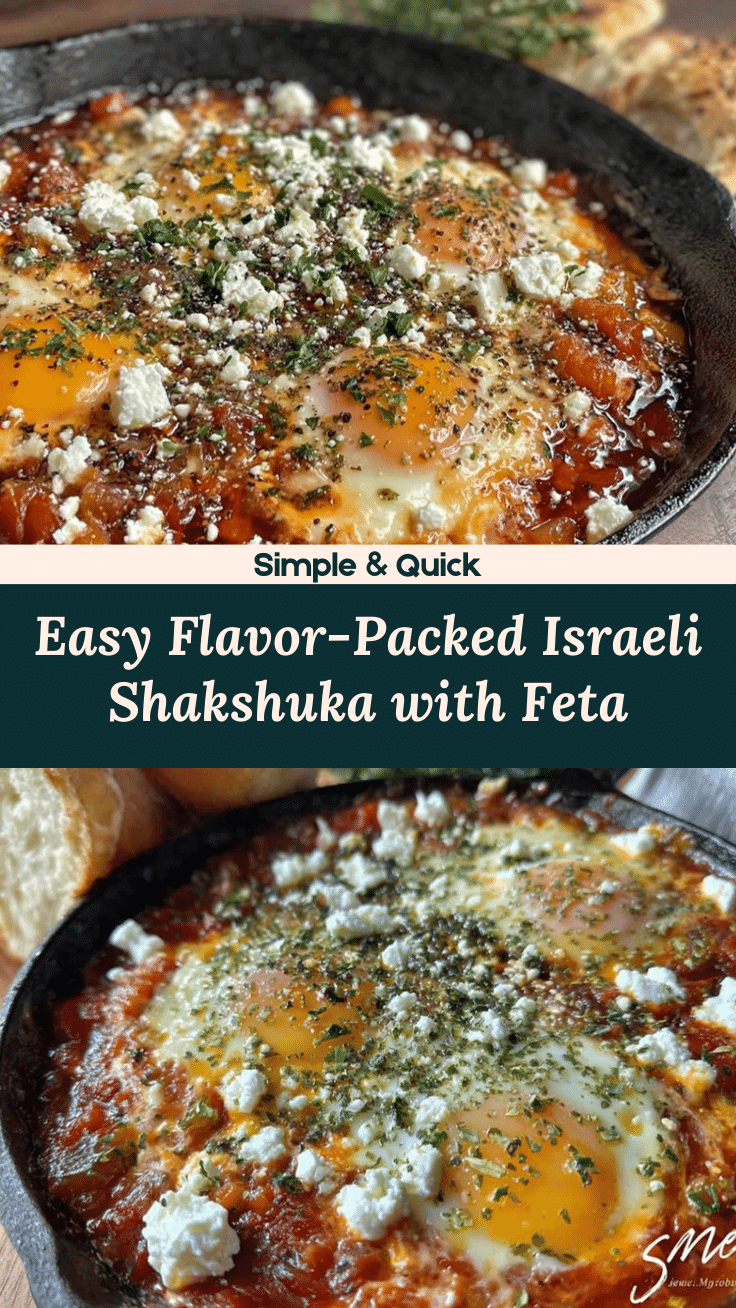
Flavorful Israeli Shakshuka with Feta and Zaatar
A quick and easy Israeli shakshuka recipe featuring a rich tomato sauce, creamy feta cheese, and aromatic za’atar, perfect for any meal and packed with bold flavors.
- Prep Time: 10 minutes
- Cook Time: 20 minutes
- Total Time: 30 minutes
- Yield: 4 servings 1x
- Category: Main Course
- Cuisine: Israeli, Middle Eastern
Ingredients
- 2 tablespoons extra virgin olive oil
- 1 medium onion, finely chopped (yellow or white)
- 3 garlic cloves, minced
- 1 medium red bell pepper, diced
- 28 ounces canned crushed tomatoes (about 800 grams)
- 2 tablespoons tomato paste
- 2 teaspoons za’atar (plus extra for garnish)
- 1 teaspoon ground cumin
- 1 teaspoon smoked paprika (optional)
- Salt and pepper to taste
- 4 large eggs, room temperature
- 4 ounces feta cheese, crumbled (about 115 grams)
- A handful fresh parsley or cilantro, chopped
- Lemon wedges for serving
Instructions
- Heat the olive oil in your skillet over medium heat for about 2 minutes until shimmering but not smoking.
- Add the chopped onion and sauté for 5-7 minutes, stirring occasionally, until softened and translucent.
- Stir in the minced garlic and diced red bell pepper, cooking another 3-4 minutes until the peppers soften but still hold some bite.
- Mix in the tomato paste, cumin, smoked paprika, and za’atar. Cook for 1-2 minutes, stirring constantly to toast the spices and deepen their aroma.
- Pour in the crushed tomatoes and stir well to combine. Reduce heat to medium-low, and let the sauce simmer gently for 10-12 minutes until slightly thickened. Season with salt and pepper to taste.
- Make four small wells in the sauce with the back of your spoon. Crack an egg into each well carefully, avoiding breaking the yolks.
- Sprinkle the crumbled feta over the entire skillet, letting some settle around the eggs.
- Cover the skillet with the lid or a large plate and cook for 6-9 minutes, depending on how runny you like your eggs. The whites should be set but yolks still soft.
- Remove from heat and garnish with chopped parsley or cilantro and an extra pinch of za’atar.
- Serve hot with lemon wedges on the side to squeeze over just before eating.
Notes
If the sauce thickens too much while simmering, add a tablespoon or two of water to loosen it. Use room temperature eggs for even cooking and avoid cracking. Cover the pan while cooking eggs to steam them gently. Adjust cooking time for preferred egg doneness. Fresh za’atar is best for aroma. Lemon wedges add brightness and balance richness.
Nutrition
- Serving Size: 1 serving (about 1/4
- Calories: 320
- Sugar: 7
- Sodium: 580
- Fat: 22
- Saturated Fat: 7
- Carbohydrates: 12
- Fiber: 3
- Protein: 15
Keywords: shakshuka, Israeli shakshuka, feta, zaatar, tomato sauce, eggs, Middle Eastern recipe, easy dinner, vegetarian, gluten-free