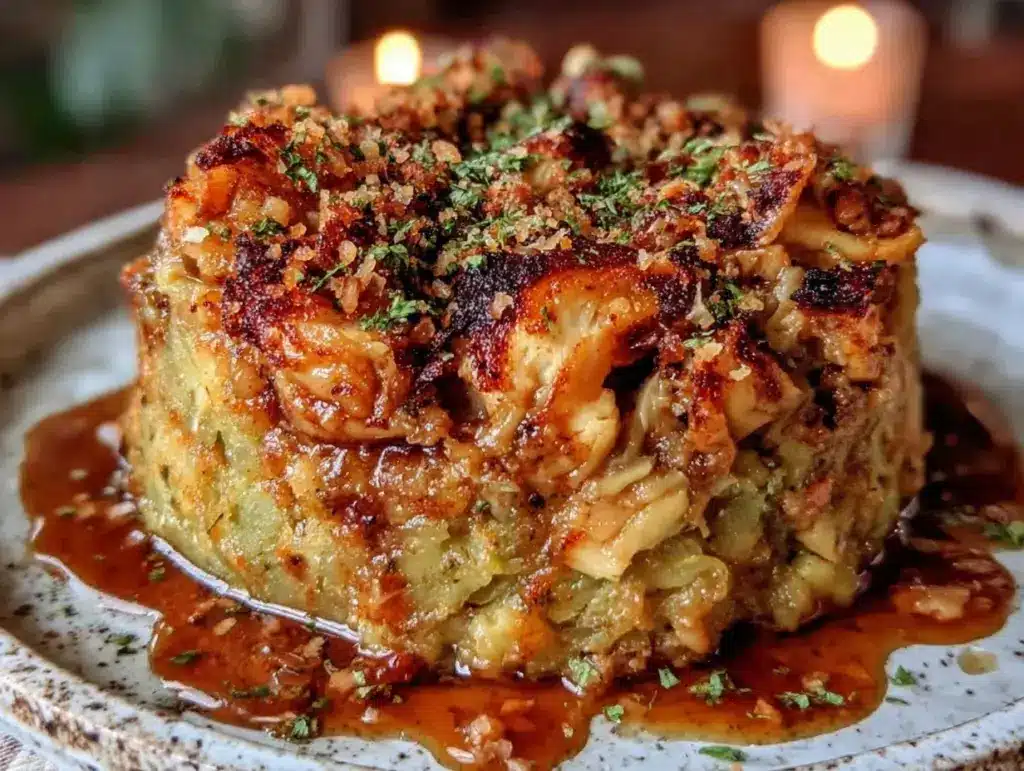
“You know that feeling when a simple dish just grabs your heart and won’t let go?” Well, that’s exactly what happened the night I stumbled upon this savory Dominican mofongo mashed plantains recipe. It wasn’t in some fancy cookbook or even a family heirloom passed down through generations. Nope, this one came to me almost by accident during a late-night chat with my neighbor, Carlos, who’s actually a taxi driver but also happens to be a wizard in the kitchen.
He was fixing a leaky faucet in my kitchen (don’t ask how I got so lucky), and while waiting for the parts to arrive, he started telling me about his abuela’s famous mofongo. The way he described the garlic-infused, pork-packed mashed plantains had me craving it instantly. Honestly, I was skeptical at first—mashed plantains? With pork? But as Carlos shared his secret tips, I found myself jotting down notes on a napkin (because, of course, that’s what I had handy).
The next evening, I tried making it, forgetting to soak the pork overnight and almost burning the garlic. But you know what? The final dish was so comforting and rich, it instantly became a favorite. I mean, who knew that a mishmash of fried plantains, garlic, and crispy pork could taste like a warm hug on a plate? Maybe you’ve been there, craving something soulful yet simple, and this mofongo recipe is just what you need to bring a little Dominican sunshine to your table.
Why You’ll Love This Recipe
Honestly, this savory Dominican mofongo recipe with garlic and pork is a keeper for so many reasons. Having tested it multiple times (and made a glorious mess or two along the way), I can say it’s truly one of those dishes that feels like a celebration of flavors without being complicated.
- Quick & Easy: Comes together in just about 40 minutes, perfect for busy weeknights or when you want something hearty but fuss-free.
- Simple Ingredients: You don’t need exotic spices or hard-to-find veggies—just plantains, garlic, pork, and a few pantry staples.
- Perfect for Cozy Dinners: Great for family meals or to impress friends with something a little different.
- Crowd-Pleaser: Kids and adults alike love the garlicky, meaty flavors paired with the creamy, textured mashed plantains.
- Unbelievably Delicious: That combo of crispy pork and smooth plantains with just the right touch of garlic makes every bite memorable.
What sets this mofongo apart is the technique of frying the plantains just right before mashing them with roasted garlic and pork cracklings. It’s not just mashed plantains; it’s a textural delight with a flavor punch. Plus, it’s the kind of recipe that makes you close your eyes after the first bite and savor the moment. Whether you want to treat yourself or bring a taste of Dominican culture home, this recipe hits the spot every time.
What Ingredients You Will Need
This recipe uses straightforward, wholesome ingredients that come together to create bold, satisfying flavors without fuss. Most of these are pantry staples or easy to find in any grocery store.
- Green plantains: 3 large, peeled and cut into 1-inch chunks (firm and starchy for the best mash)
- Pork cracklings (chicharrón): 1 cup, chopped (adds that crispy, savory punch)
- Garlic cloves: 6 large, peeled (roasted or fried for mellow flavor)
- Olive oil or pork fat (manteca): 3 tablespoons (for frying and flavor)
- Chicken broth: 1/4 cup (helps moisten the mofongo and add depth)
- Salt: to taste (start with 1 teaspoon)
- Black pepper: freshly ground, 1/2 teaspoon
- Optional: fresh cilantro or parsley, finely chopped, for garnish
Ingredient Tips: Look for firm, green plantains—they should not be too ripe or yellow. For pork cracklings, I usually grab them from my local Latin market or make them at home by frying pork skin until crisp. If you want a lighter version, substitute pork fat with olive oil. And if you can’t find pork cracklings, crispy bacon bits work surprisingly well.
Equipment Needed
- Large heavy skillet or frying pan: For frying the plantains and garlic. A cast iron skillet works beautifully here for even heat.
- Mofongo mortar and pestle (pilón): Traditional and ideal for mashing, but a sturdy wooden or ceramic mortar works too. If you don’t have one, a large sturdy bowl and a potato masher or wooden spoon will do.
- Knife and cutting board: For chopping plantains, garlic, and pork.
- Slotted spoon: To remove fried plantains and garlic from hot oil without excess grease.
- Measuring cups and spoons: For accurate ingredient portions.
If you’re on a budget, you can skip the traditional pilón and just use a heavy bowl with a wooden spoon, though the texture won’t be quite the same. Keep your mortar well-seasoned and dry to avoid any sticking. Also, using a thermometer for frying helps keep the oil temperature steady around 350°F (175°C), but you can eyeball it too once you get a feel for the sizzle.
Preparation Method
- Prepare the plantains: Peel the green plantains by cutting off the ends, scoring the skin lengthwise, and removing the peel with a knife or your fingers. Cut into 1-inch chunks. (About 10 minutes)
- Heat the oil or pork fat: In your skillet, warm 3 tablespoons of oil or manteca over medium heat until shimmering but not smoking. (3 minutes)
- Fry the plantains: Carefully add the plantain chunks in batches to avoid overcrowding. Fry until golden and tender, about 5-7 minutes per batch. They should be soft enough to mash but still hold shape. Remove with a slotted spoon and drain on paper towels. (15 minutes)
- Fry the garlic: In the same oil, fry the peeled garlic cloves for about 2-3 minutes until fragrant and golden but not burnt. Remove and drain. (5 minutes)
- Mash the mofongo: In your pilón or mortar, combine the fried plantains, fried garlic, chopped pork cracklings, salt, and pepper. Mash together firmly but not to a paste—you want some texture. Gradually add the chicken broth to moisten and bring the mixture together. (10 minutes)
- Adjust seasoning: Taste and add more salt, pepper, or broth if needed for consistency and flavor. The mofongo should be moist but hold its shape. (2 minutes)
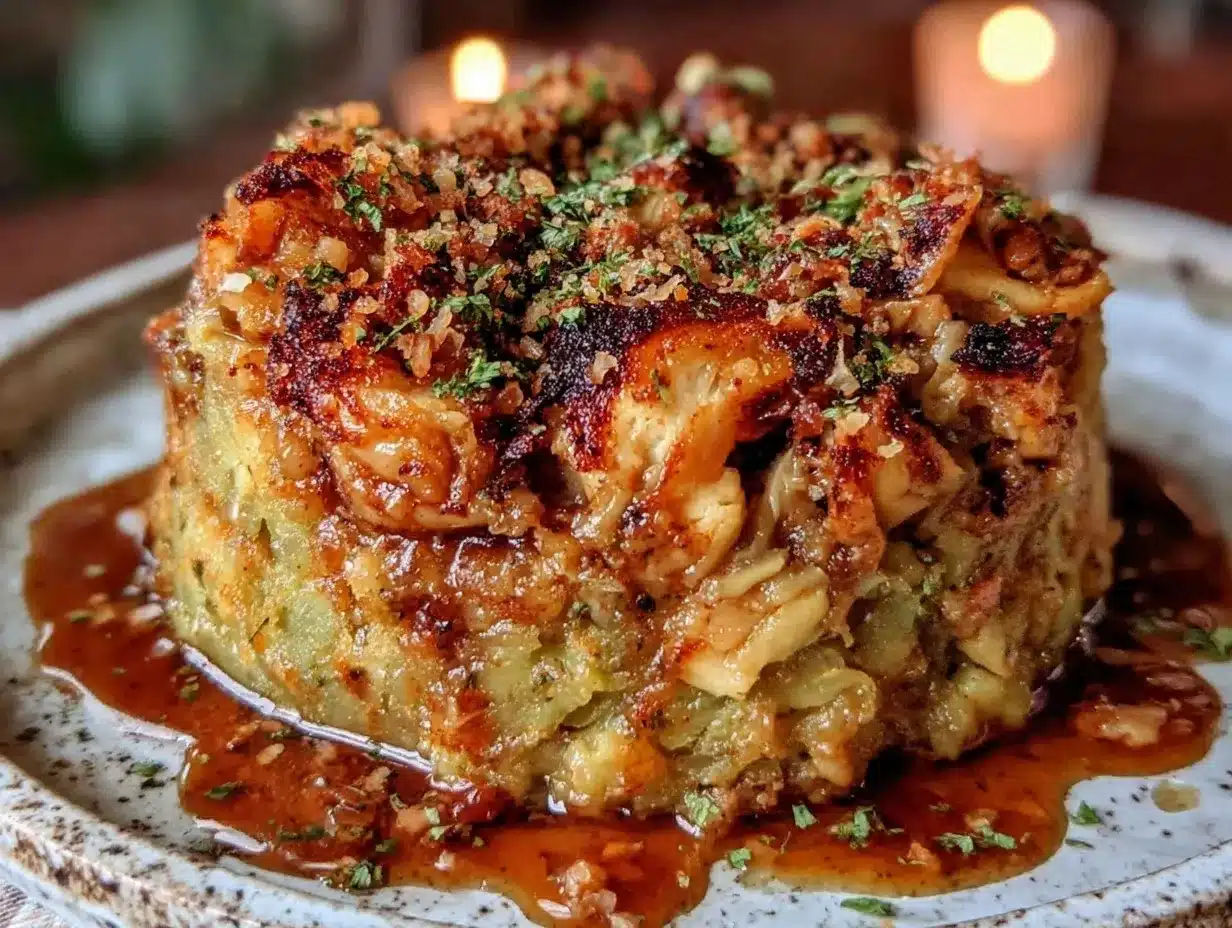
- Serve: Shape the mofongo into balls or mold into a bowl and invert onto plates. Garnish with chopped cilantro or parsley if desired. (2 minutes)
Pro tip: Don’t rush the frying—plantains need to soften inside without burning outside. If your garlic browns too fast, lower the heat to avoid bitterness. Also, mashing with a mortar gives the best rustic texture, but if you’re using a bowl, mash gently to keep some chunkiness.
Cooking Tips & Techniques
Mastering mofongo is about balancing texture and flavor, and I learned a few things the hard way. First, frying plantains just right is key—the oil should be hot enough to crisp the edges but not so hot that the plantains burn before softening inside. I usually keep the temperature steady around medium to medium-high and watch carefully.
Second, garlic can easily become bitter if overcooked. Fry it until golden and aromatic, but pull it off the heat as soon as it starts browning.
When mashing mofongo, avoid over-processing. You want the plantains somewhat chunky to enjoy that satisfying bite. Using a pilón is traditional, but if you don’t have one, a wooden spoon and some elbow grease will do the trick.
One mistake I made was adding too much broth at once, ending up with a soggy mishmash. Instead, add broth little by little to control moisture. Also, if the mofongo feels dry, a splash more broth or oil helps bring it together.
Timing-wise, multitask by frying garlic while plantains soak up some oil flavor. And don’t forget to chop the pork cracklings finely—they add bursts of crunch and saltiness without overwhelming the dish.
Variations & Adaptations
- Vegetarian version: Skip the pork cracklings and add sautéed mushrooms or roasted chickpeas for texture and umami.
- Seafood twist: Mix in cooked shrimp or crab meat for a coastal flair, or serve mofongo alongside garlic shrimp.
- Spicy mofongo: Add a pinch of cayenne pepper or finely chopped jalapeños into the mash for a gentle heat.
- Gluten-free and paleo-friendly: This recipe is naturally gluten-free. Use olive oil instead of pork fat to keep it paleo.
- Cooking method adjustment: Instead of frying, you can bake the plantain chunks at 400°F (200°C) for 20-25 minutes until soft, but frying definitely gives that authentic flavor and texture.
Personally, I once tried adding a bit of grated Parmesan into the mash (don’t judge!) and it surprisingly added a lovely savory depth. Feel free to experiment—mofongo is forgiving and invites creativity.
Serving & Storage Suggestions
Serve mofongo warm, ideally right after mashing, so the flavors meld and the texture shines. It pairs wonderfully with a simple broth, roasted meats, or sautéed vegetables. A cold Dominican-style beer or a crisp white wine complements the richness perfectly.
If you have leftovers, store mofongo in an airtight container in the refrigerator for up to 3 days. Reheat gently in a skillet with a splash of broth or oil to bring back moisture and softness. Avoid microwaving directly as it can dry out the dish.
Flavors develop beautifully overnight, so sometimes I make mofongo a day ahead, and it tastes even better the next day after resting in the fridge.
Nutritional Information & Benefits
Each serving of this savory Dominican mofongo mashed plantains with garlic and pork provides a satisfying blend of carbohydrates, protein, and healthy fats. Green plantains are an excellent source of dietary fiber and resistant starch, which supports digestive health and provides steady energy. Garlic adds antioxidants and immune-boosting compounds, while pork cracklings contribute protein and flavor.
This recipe is naturally gluten-free and can be adapted for low-carb diets by moderating the plantain portion or swapping in other root vegetables. Keep in mind the pork fat adds richness, so use olive oil if you prefer a lighter option. Overall, it’s a comforting, nutrient-dense dish that satisfies cravings without guilt.
Conclusion
Honestly, this savory Dominican mofongo recipe with garlic and pork is one of those dishes that sticks with you for all the right reasons. It’s simple yet rich in flavor, comforting but never boring. Whether you’re making it for a cozy night in or to impress guests with something a little different, it delivers every time.
Feel free to customize it to your taste—more garlic, less pork, or a spicy kick—and make it truly your own. I love how this recipe connects me to a culture and a dear neighbor’s kitchen wisdom, and I hope it brings a little of that warmth to your table too.
If you try it, please share your twists or questions in the comments. I’d love to hear how your mofongo journey goes!
FAQs
What type of plantains should I use for mofongo?
Use green, unripe plantains. They’re firm and starchy, perfect for frying and mashing. Avoid ripe or yellow plantains as they’re too sweet and soft for this dish.
Can I make mofongo without pork cracklings?
Absolutely! You can substitute with crispy bacon, sautéed mushrooms, or even roasted chickpeas for texture and savory flavor.
How do I store leftover mofongo?
Store leftovers in an airtight container in the fridge for up to 3 days. Reheat gently in a skillet with a splash of broth or oil to keep it moist.
Is mofongo gluten-free?
Yes, mofongo is naturally gluten-free as it’s made from plantains and pork. Just double-check any added ingredients or toppings if you have gluten sensitivities.
Can I prepare mofongo ahead of time?
Yes, you can make mofongo a day ahead and refrigerate it. Flavors often deepen overnight. Just reheat gently before serving to restore texture and warmth.
Pin This Recipe!
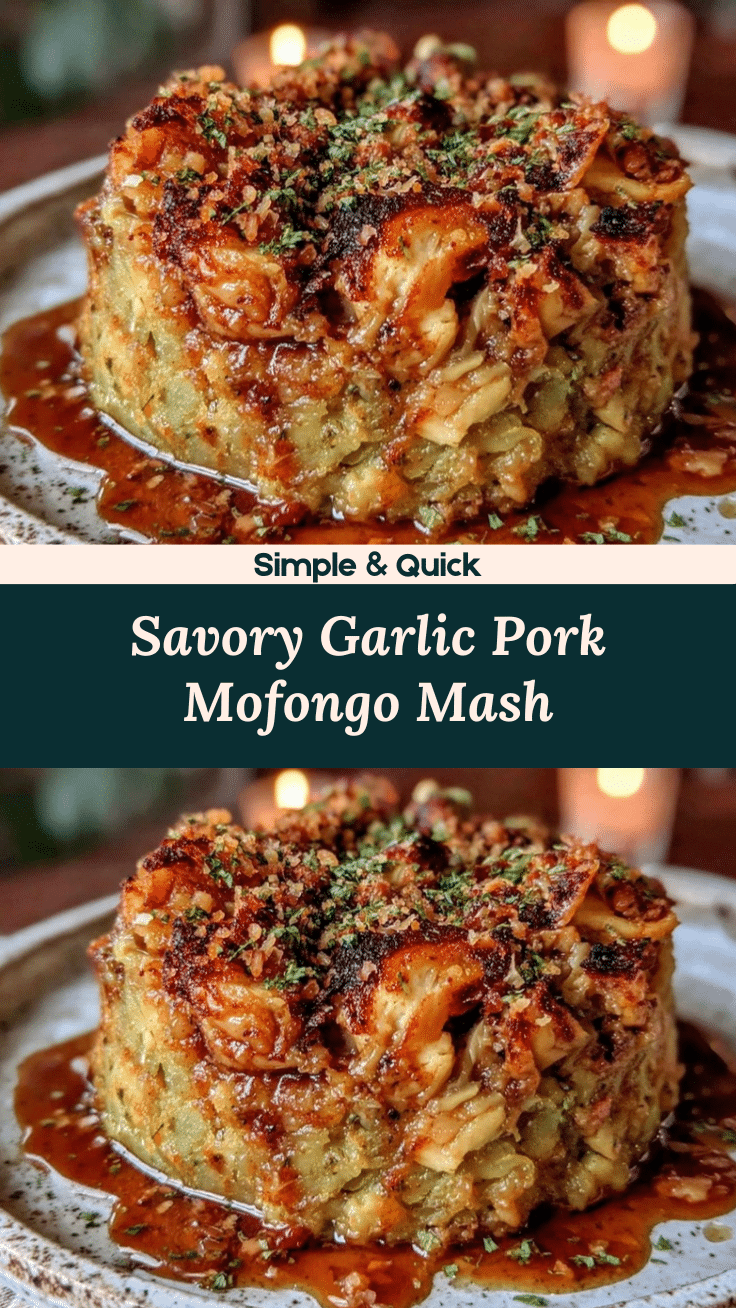
Savory Dominican Mofongo Recipe with Garlic and Pork Perfectly Mashed Plantains
A comforting and rich Dominican mofongo recipe featuring fried green plantains mashed with garlic and crispy pork cracklings, delivering a flavorful and textural delight perfect for cozy dinners.
- Prep Time: 10 minutes
- Cook Time: 30 minutes
- Total Time: 40 minutes
- Yield: 4 servings 1x
- Category: Main Course
- Cuisine: Dominican
Ingredients
- 3 large green plantains, peeled and cut into 1-inch chunks
- 1 cup pork cracklings (chicharrón), chopped
- 6 large garlic cloves, peeled (roasted or fried)
- 3 tablespoons olive oil or pork fat (manteca)
- 1/4 cup chicken broth
- Salt to taste (start with 1 teaspoon)
- 1/2 teaspoon freshly ground black pepper
- Optional: fresh cilantro or parsley, finely chopped, for garnish
Instructions
- Peel the green plantains by cutting off the ends, scoring the skin lengthwise, and removing the peel with a knife or fingers. Cut into 1-inch chunks. (About 10 minutes)
- Heat 3 tablespoons of olive oil or pork fat in a large heavy skillet over medium heat until shimmering but not smoking. (3 minutes)
- Fry the plantain chunks in batches to avoid overcrowding until golden and tender, about 5-7 minutes per batch. Remove with a slotted spoon and drain on paper towels. (15 minutes)
- In the same oil, fry the peeled garlic cloves for about 2-3 minutes until fragrant and golden but not burnt. Remove and drain. (5 minutes)
- In a pilón or mortar, combine the fried plantains, fried garlic, chopped pork cracklings, salt, and pepper. Mash together firmly but not to a paste, keeping some texture. Gradually add chicken broth to moisten and bring the mixture together. (10 minutes)
- Taste and adjust seasoning by adding more salt, pepper, or broth if needed for consistency and flavor. The mofongo should be moist but hold its shape. (2 minutes)
- Shape the mofongo into balls or mold into a bowl and invert onto plates. Garnish with chopped cilantro or parsley if desired. (2 minutes)
Notes
Use firm, green plantains for best texture. Fry plantains carefully to soften inside without burning outside. Fry garlic until golden but not bitter. Mash to keep some chunkiness for texture. Gradually add broth to avoid sogginess. Substitute pork cracklings with crispy bacon or sautéed mushrooms for vegetarian options. Reheat leftovers gently in a skillet with broth or oil to maintain moisture.
Nutrition
- Serving Size: 1 mofongo ball (appr
- Calories: 350
- Sugar: 3
- Sodium: 450
- Fat: 22
- Saturated Fat: 7
- Carbohydrates: 30
- Fiber: 5
- Protein: 10
Keywords: mofongo, Dominican recipe, mashed plantains, garlic, pork cracklings, chicharrón, fried plantains, savory, traditional Caribbean