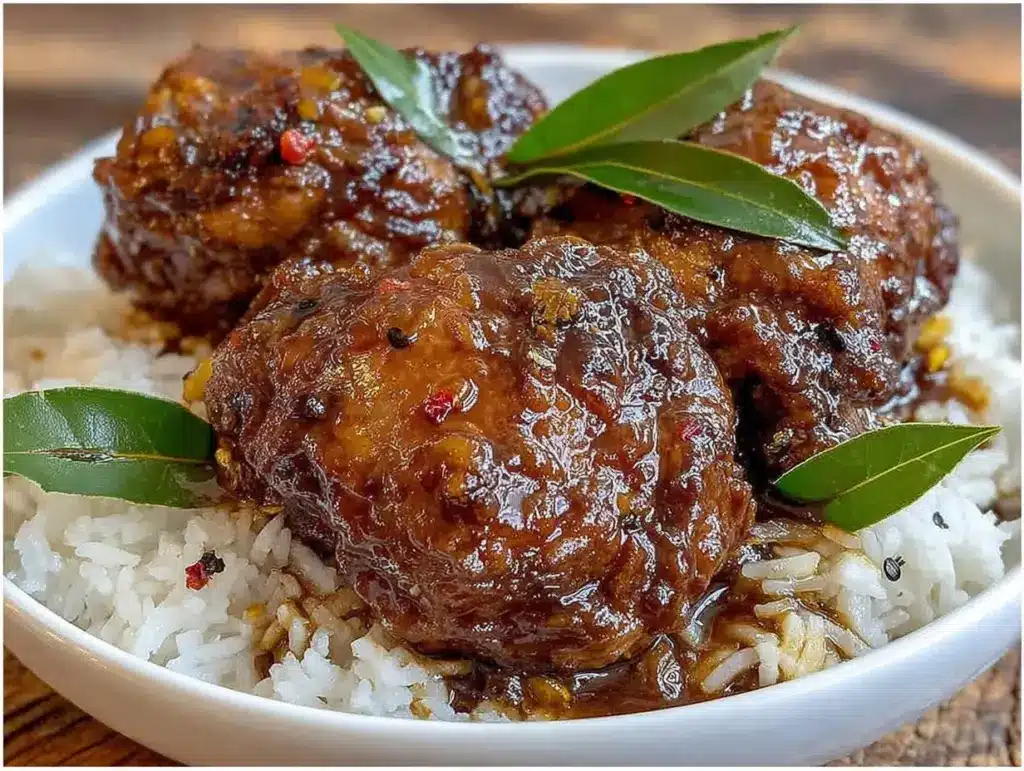
“You know that feeling when a simple smell can shoot you straight into a memory?” Well, that’s exactly what happened to me last spring. I was at the bustling weekend market, the kind where vendors shout over the chatter and the scent of grilled meats hangs thick in the air. Amid the usual chaos, a quiet elderly man was selling homemade sauces and spices. He handed me a small jar and said, “Try this with chicken, and you’ll taste the Philippines.” I was skeptical but curious enough to try it that very evening. What I ended up making was this savory Filipino chicken adobo with bay leaves, a dish that honestly surprised me with its deep, tangy warmth and comforting aroma.
It wasn’t just the recipe itself but the story behind it—the way those bay leaves and vinegar blended with soy sauce, garlic, and peppercorns to create something so balanced yet bold. I remember burning the garlic the first time (classic me), and almost giving up, but thankfully I stuck with it. This recipe has stuck with me ever since, showing up at family dinners and quiet weeknights alike. I mean, maybe you’ve been there—looking for a meal that feels like a hug without hours of effort. That’s exactly what this Filipino chicken adobo brings to the table.
Why You’ll Love This Recipe
From my own kitchen trials and tweaks, this savory Filipino chicken adobo with bay leaves stands out as a reliable, delicious meal that anyone can master. Here’s why it’s become a favorite:
- Quick & Easy: Ready in about 45 minutes, it’s perfect for busy evenings when you want flavor without fuss.
- Simple Ingredients: No need for exotic shopping trips—soy sauce, vinegar, garlic, and bay leaves are probably already in your pantry.
- Perfect for Any Occasion: Whether a casual family dinner or a laid-back gathering, this dish fits right in.
- Crowd-Pleaser: Kids and adults alike rave about the tender chicken and its tangy, savory sauce.
- Unbelievably Delicious: The slow-simmered bay leaves infuse the dish with an earthy depth you won’t forget.
What makes this adobo different? The careful balance of acidity and saltiness, along with the subtle bitterness from the bay leaves, creates a complex flavor profile that feels both comforting and exciting. Plus, I like to add a touch of brown sugar sometimes, which rounds it out just perfectly. Honestly, it’s the kind of recipe that makes you pause and savor each bite, closing your eyes to appreciate that perfect harmony. If you want a dish that’s both authentic and approachable, this version of Filipino chicken adobo is your new go-to.
What Ingredients You Will Need
This recipe uses simple, wholesome ingredients to deliver bold flavor and satisfying texture without the fuss. Most are pantry staples, with a few fresh items that bring the dish to life.
- Chicken thighs, bone-in and skin-on: About 2 pounds (900 g) for juicy, tender meat—dark meat works best.
- Garlic cloves, minced: 6 cloves for that signature pungent kick.
- Bay leaves: 3 large leaves to infuse earthy aroma (don’t skip these!).
- Whole black peppercorns: 1 teaspoon for a gentle peppery warmth.
- Soy sauce: ½ cup (120 ml), use a brand like Kikkoman for that deep umami flavor.
- White vinegar: ½ cup (120 ml), Filipino cane vinegar preferred if you can find it.
- Water: 1 cup (240 ml), to balance the sauce.
- Brown sugar: 1 tablespoon (optional), adds a subtle sweetness that mellows the tang.
- Cooking oil: 2 tablespoons, vegetable or canola oil works well for browning.
- Green onions, chopped: For garnish (adds freshness).
If you want a gluten-free option, swap soy sauce with tamari. Also, if you prefer a lighter version, chicken breasts work but may require careful cooking to avoid drying out. For a dairy-free and allergy-friendly recipe, all ingredients here are naturally suitable.
Equipment Needed
- Large heavy-bottomed skillet or Dutch oven: Ideal for even heat and simmering the chicken without burning.
- Sharp chef’s knife: For mincing garlic and chopping green onions.
- Measuring cups and spoons: To keep your ratios spot on.
- Wooden spoon or heat-resistant spatula: For stirring without scratching your cookware.
- Tongs: Handy for flipping chicken pieces during browning.
If you don’t have a Dutch oven, a deep sauté pan with a lid will do fine. I learned that the hard way when my favorite pot was in the dishwasher, and honestly, just kept an eye on the simmering so nothing stuck to the bottom. For budget-friendly options, cast iron skillets work beautifully and only get better with seasoning over time.
Preparation Method
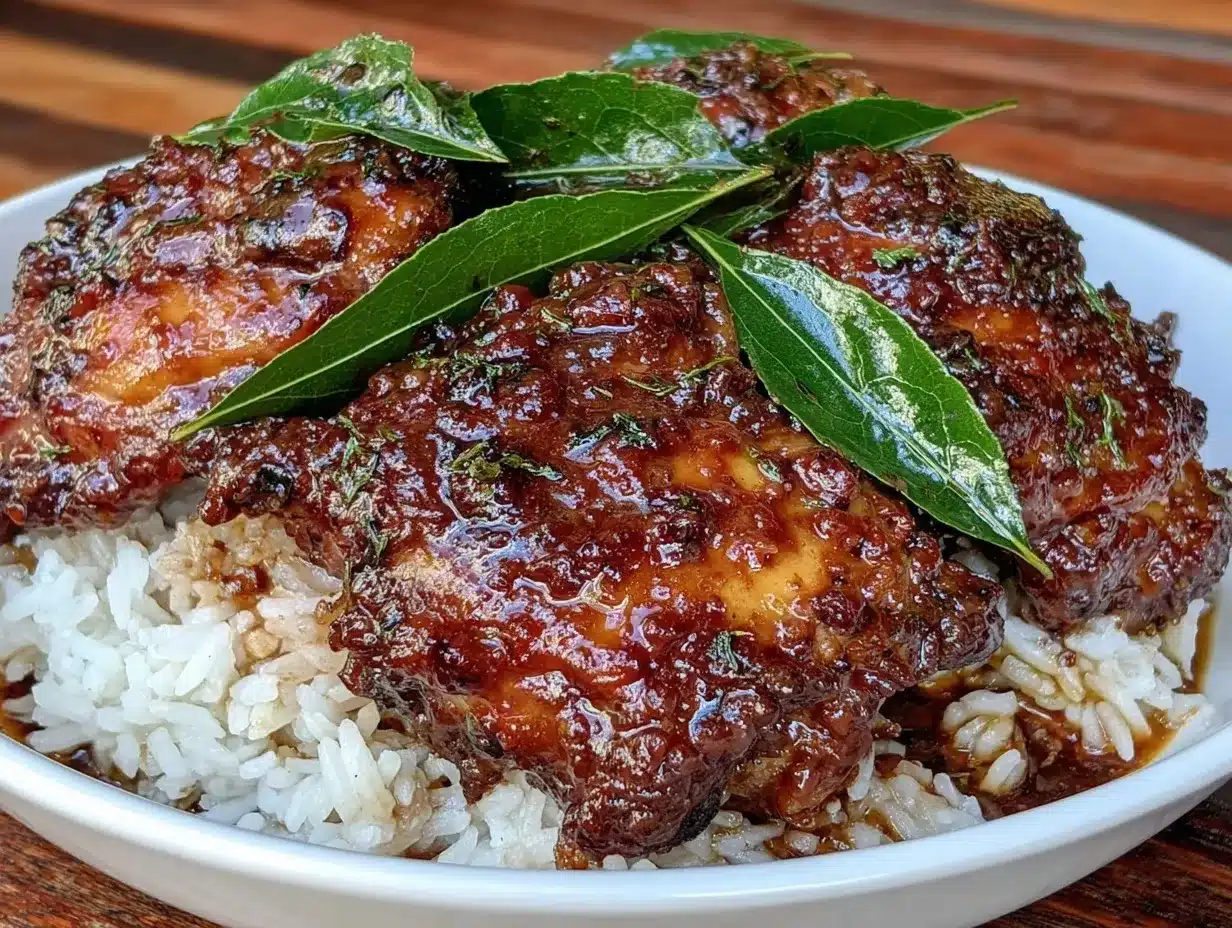
- Prepare the chicken: Pat 2 pounds (900 g) of bone-in, skin-on chicken thighs dry with paper towels. This helps achieve a nice sear. Set aside.
- Brown the chicken: Heat 2 tablespoons of cooking oil in a large heavy-bottomed skillet over medium-high heat. Once hot, add the chicken thighs skin-side down. Cook for about 5 minutes without moving them to get a golden crust. Flip and brown the other side for another 3-4 minutes. Remove chicken and set aside. (Pro tip: Don’t overcrowd the pan — brown in batches if needed.)
- Sauté garlic: Reduce heat to medium. Add 6 minced garlic cloves to the same pan and sauté until fragrant and lightly golden, about 1-2 minutes. Watch closely so it doesn’t burn!
- Deglaze and add liquids: Pour in ½ cup (120 ml) soy sauce and ½ cup (120 ml) white vinegar. Use a wooden spoon to scrape up any browned bits stuck to the pan — that’s flavor gold right there. Add 1 cup (240 ml) water, 3 bay leaves, 1 teaspoon whole black peppercorns, and 1 tablespoon brown sugar (if using). Stir gently to combine.
- Return chicken to pan: Nestle the browned chicken thighs back into the sauce, skin side up. Bring to a gentle boil.
- Simmer: Lower heat to a gentle simmer and cover with a lid slightly ajar. Cook for 30-35 minutes, turning chicken halfway through. The sauce should reduce and thicken slightly, coating the chicken beautifully. (If sauce reduces too much, add a splash of water.)
- Final touches: Taste the sauce and adjust seasoning if needed — more soy for saltiness or vinegar for tang. Remove bay leaves before serving.
- Garnish and serve: Sprinkle chopped green onions over the top for a fresh pop of color and flavor. Serve hot with steamed jasmine rice.
Watching the sauce bubble and thicken is truly satisfying. I learned the hard way that rushing this step loses the magic of that rich, glossy finish. Also, don’t skip flipping the chicken; it helps soak up the sauce evenly and keeps the skin from getting soggy. If your kitchen smells like a little corner of Manila by the end, you’re doing it right.
Cooking Tips & Techniques
Adobo is deceptively simple, but a few tricks can make a huge difference in the final dish:
- Brown the chicken well: That golden crust adds texture and depth. Don’t rush this step or crowd the pan.
- Balance your acids and salts: Vinegar and soy sauce are the heart of adobo’s flavor. Taste as you go and adjust gradually.
- Simmer gently: A slow simmer lets the flavors meld and the chicken soften without drying out.
- Don’t forget the bay leaves: They add subtle earthiness that cuts through the richness.
- Use bone-in, skin-on chicken: It stays juicier and more flavorful than boneless.
One time, I boiled the chicken too hard and ended up with rubbery meat—that was a lesson learned! Also, when multitasking, I like to prep my garlic and measure liquids ahead, so once the chicken is browned, it’s go-time. Consistency comes from patience and paying attention to how the sauce looks and smells—when it thickens and the vinegar mellow out, you’re just about there.
Variations & Adaptations
This Filipino chicken adobo is flexible and welcomes your personal touch:
- Spicy kick: Add 2-3 crushed dried chilies or a fresh sliced bird’s eye chili while simmering for heat.
- Slow cooker version: Brown chicken first, then transfer everything to a slow cooker. Cook on low for 4-5 hours.
- Vegetarian adaptation: Swap chicken with firm tofu or mushrooms and reduce simmer time to 20 minutes.
- Healthier twist: Use skinless chicken breasts and reduce the oil. Add more water to keep the sauce light.
- Sweetness variation: Substitute brown sugar with coconut sugar or honey for a different flavor note.
I personally tried adding pineapple chunks once (yes, I’m a pineapple-on-pizza kind of person), which gave a sweet brightness that was surprisingly good. Feel free to experiment, but remember, the bay leaves and vinegar combo is the soul of adobo, so keep those anchored.
Serving & Storage Suggestions
Serve this savory Filipino chicken adobo hot with fluffy steamed jasmine rice to soak up every drop of that luscious sauce. A simple side of sautéed greens or pickled vegetables balances the richness perfectly. For drinks, a crisp cold beer or a light white wine like Sauvignon Blanc complements the tangy flavors beautifully.
Leftovers? No worries. Store cooled adobo in an airtight container in the refrigerator for up to 4 days. It actually tastes better the next day once the flavors marry even more. To reheat, warm gently on the stovetop or microwave, adding a splash of water if the sauce thickened too much.
If you want to freeze it, portion into freezer-safe containers and freeze for up to 2 months. Thaw overnight in the fridge before reheating. Just a heads-up: the texture might soften a bit after freezing but will still be delicious.
Nutritional Information & Benefits
This recipe offers a good balance of protein and flavorful sauce without heavy cream or excessive oil. Per serving (about 1 chicken thigh with sauce), you can expect roughly 350-400 calories, 25-30 grams of protein, and moderate sodium levels depending on soy sauce brand. The bay leaves and garlic bring antioxidants, while vinegar has been noted to aid digestion.
For those watching carbs, this meal is naturally low-carb and gluten-free if you use tamari. Just be mindful of sodium if you’re on a restricted diet; opting for low-sodium soy sauce can help. From my perspective, this dish is a tasty way to enjoy lean protein with a punch of vibrant flavors that feel hearty yet balanced.
Conclusion
This savory Filipino chicken adobo with bay leaves is more than just a recipe—it’s a comforting ritual that brings warmth and flavor to your table with minimal fuss. Whether you’re new to Filipino cuisine or a seasoned fan, this dish invites you to savor tradition and simplicity in every bite. I love how adaptable it is, letting you tweak it to your taste or occasion without losing its soul.
So, give it a try, play with the flavors, and make it your own. And hey, I’d love to hear how your version turns out—drop a comment or share your tweaks. Cooking is always better when it’s a shared adventure, don’t you think? Here’s to many cozy meals filled with rich aromas and happy memories!
FAQs
What cut of chicken is best for Filipino chicken adobo?
Bone-in, skin-on chicken thighs are ideal because they stay juicy and tender during simmering. You can also use drumsticks or a mix of dark meat cuts.
Can I make this recipe without bay leaves?
Bay leaves add subtle earthiness, so it’s best not to skip them. However, if unavailable, you can still make the dish, but the flavor might be less complex.
Is Filipino chicken adobo spicy?
Traditionally, it’s not very spicy, but you can add chilies or pepper flakes if you like heat.
How long can I store leftover adobo?
Refrigerated leftovers last up to 4 days in an airtight container. It’s also freezer-friendly for up to 2 months.
Can I use chicken breasts instead of thighs?
Yes, but chicken breasts cook faster and can dry out. Keep a close eye on simmering time and consider removing skin to reduce fat.
Pin This Recipe!
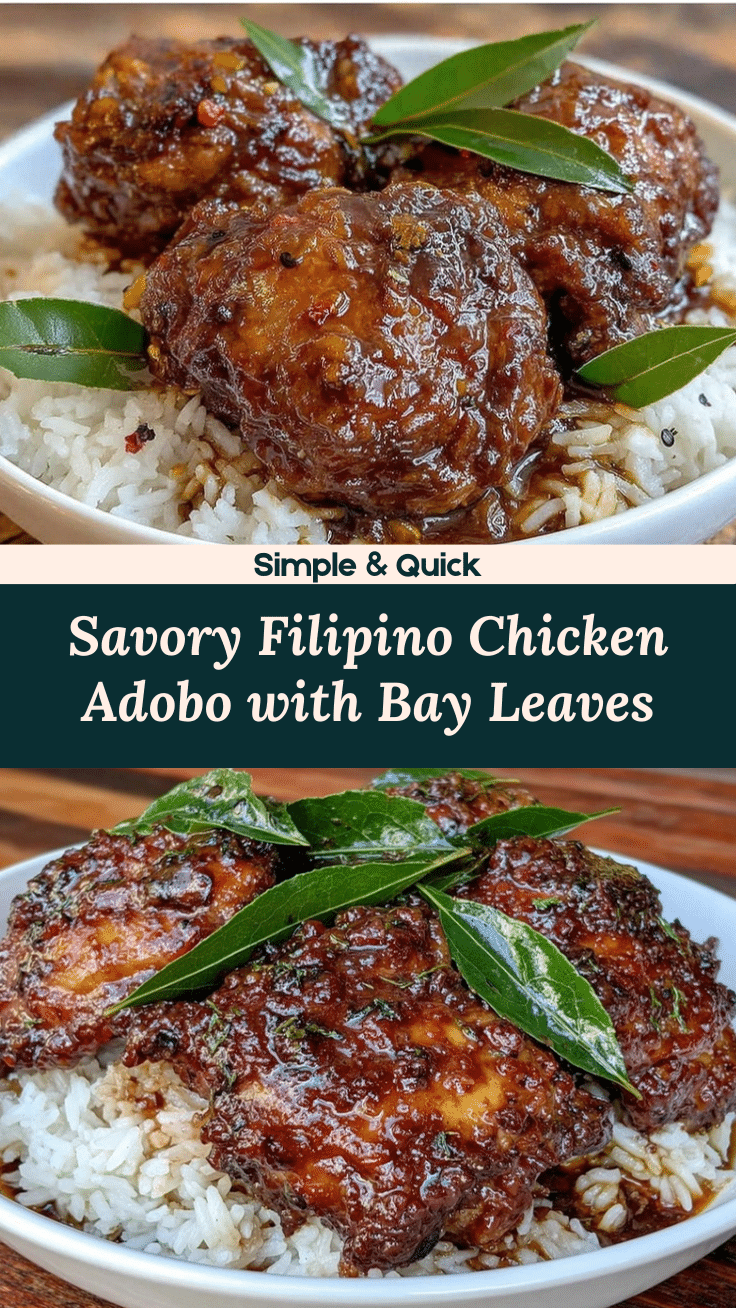
Savory Filipino Chicken Adobo with Bay Leaves

A classic Filipino chicken adobo recipe featuring bone-in, skin-on chicken thighs simmered in a tangy, savory sauce with bay leaves, garlic, soy sauce, and vinegar. This easy-to-master dish delivers deep, comforting flavors perfect for any occasion.
- Prep Time: 10 minutes
- Cook Time: 35 minutes
- Total Time: 45 minutes
- Yield: 4 servings 1x
- Category: Main Course
- Cuisine: Filipino
Ingredients
- 2 pounds bone-in, skin-on chicken thighs
- 6 garlic cloves, minced
- 3 large bay leaves
- 1 teaspoon whole black peppercorns
- 1/2 cup (120 ml) soy sauce
- 1/2 cup (120 ml) white vinegar
- 1 cup (240 ml) water
- 1 tablespoon brown sugar (optional)
- 2 tablespoons cooking oil (vegetable or canola)
- Chopped green onions for garnish
Instructions
- Pat 2 pounds of bone-in, skin-on chicken thighs dry with paper towels and set aside.
- Heat 2 tablespoons of cooking oil in a large heavy-bottomed skillet over medium-high heat. Add chicken thighs skin-side down and cook for about 5 minutes without moving to get a golden crust. Flip and brown the other side for 3-4 minutes. Remove chicken and set aside.
- Reduce heat to medium. Add minced garlic to the same pan and sauté until fragrant and lightly golden, about 1-2 minutes, being careful not to burn.
- Pour in 1/2 cup soy sauce and 1/2 cup white vinegar. Scrape up browned bits from the pan. Add 1 cup water, 3 bay leaves, 1 teaspoon whole black peppercorns, and 1 tablespoon brown sugar if using. Stir gently to combine.
- Return the browned chicken thighs to the pan, skin side up. Bring to a gentle boil.
- Lower heat to a gentle simmer and cover with a lid slightly ajar. Cook for 30-35 minutes, turning chicken halfway through. Add water if sauce reduces too much.
- Taste the sauce and adjust seasoning if needed. Remove bay leaves before serving.
- Garnish with chopped green onions and serve hot with steamed jasmine rice.
Notes
Brown the chicken well for texture and depth. Simmer gently to keep chicken tender and sauce flavorful. Adjust soy sauce and vinegar to balance saltiness and acidity. Remove bay leaves before serving. For gluten-free, substitute soy sauce with tamari. Chicken breasts can be used but watch cooking time to avoid drying out.
Nutrition
- Serving Size: About 1 chicken thig
- Calories: 375
- Sugar: 3
- Sodium: 900
- Fat: 22
- Saturated Fat: 5
- Carbohydrates: 6
- Fiber: 1
- Protein: 28
Keywords: Filipino chicken adobo, chicken adobo recipe, bay leaves, savory chicken, easy Filipino recipe, adobo with bay leaves, tangy chicken dish