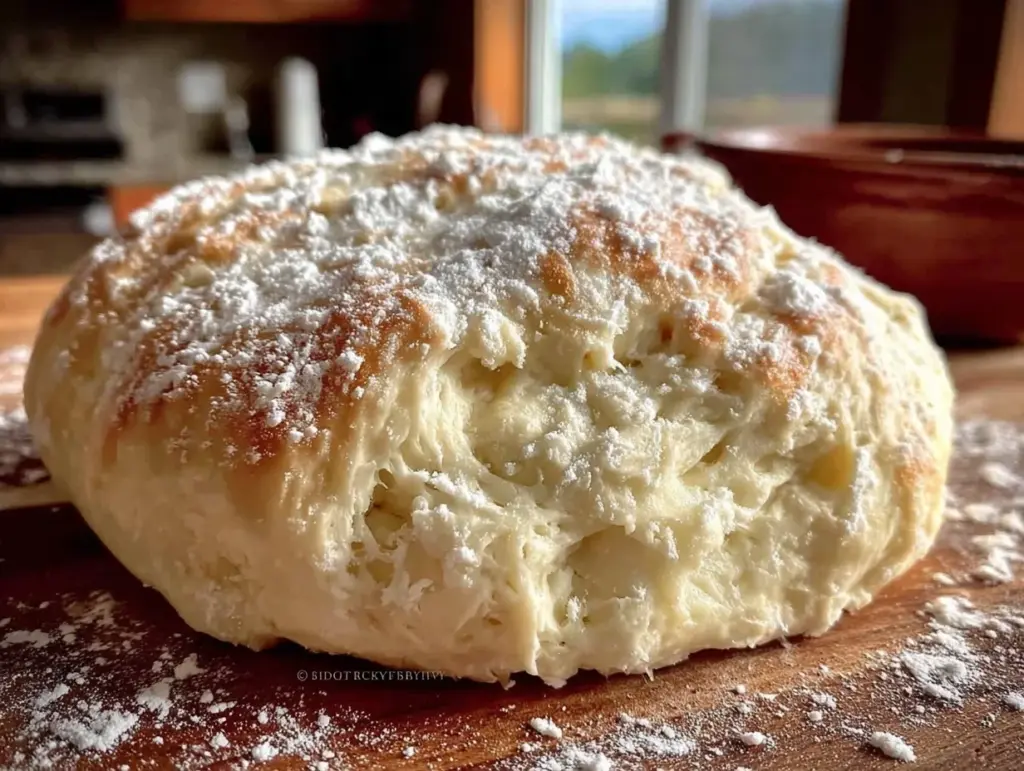
“You want to make pizza from scratch? Are you sure you have the time?” That’s exactly what my friend Lisa said when I first mentioned trying to make my own dough. Honestly, I was skeptical too. I mean, pizza dough always seemed like some kind of wizardry reserved for those with endless patience and fancy mixers.
But one rainy evening, after a long day of meetings and the kind of tired that feels like glue on your bones, I found myself rummaging through the pantry and thinking, “What if I just wing it?” I mixed up a simple batch of dough with what I had on hand—flour, yeast, a pinch of sugar, olive oil—and left it to rise while I sipped tea and listened to the rain. The smell that slowly filled my kitchen was nothing short of magic.
When I pulled that first pizza out of the oven, with its golden crust and bubbling cheese, the surprise was real. It was better than any frozen pizza or takeout I’d managed to grab on hectic nights. The dough was crisp yet tender, with just the right chew. It wasn’t perfect—there were a few bubbles that popped too early—but it was mine, and it nailed that homemade vibe without the fuss and stress I’d imagined.
Since then, I’ve made this easy homemade pizza dough recipe for perfect pizzas multiple times a week (no exaggeration). It’s become my go-to comfort food, the kind of recipe I trust to bring people together without requiring a lot of prep or fancy ingredients. And you know what? It’s so forgiving—whether you’re a pizza pro or a “not really a baker” type, this dough will make you look good.
So, if you’ve ever thought homemade pizza dough was out of your league, stick around. This recipe might just change your pizza nights forever, the way it did mine.
Why You’ll Love This Recipe
I’ve tested this easy homemade pizza dough recipe for perfect pizzas over and over, tweaking it just enough to make sure it’s foolproof and delicious every time. Here’s why it’s become a staple in my kitchen:
- Quick & Easy: You can have this dough ready to go in about 5 steps, and while the yeast does its thing, you’re free to handle other tasks or kick back for a bit.
- Simple Ingredients: No hunting for obscure flours or additives here. Just good old all-purpose flour, yeast, water, salt, sugar, and olive oil—pantry staples most of us already have.
- Perfect for Any Occasion: Whether it’s a casual weeknight pizza party, a cozy date night, or a fun weekend project with the kids, this dough adapts to your mood and toppings.
- Crowd-Pleaser: I’ve brought this dough to potlucks and family dinners, and folks always ask for the recipe—kids included.
- Unbelievably Delicious: The texture is just right—crispy edges, tender interior, and that subtle yeasty flavor that hints at a perfect balance of effort and love.
What sets this dough apart? It’s the way the olive oil works with the flour to create a supple, elastic dough that’s easy to shape without tearing. Plus, the sugar gives the yeast a little kick to rise faster but without that overpowering sweetness.
Honestly, it’s the kind of dough that makes you close your eyes with that first bite and say, “Yep, this is homemade pizza done right.” If you want a stress-free way to impress guests or simply treat yourself after a long day, this recipe is your ticket.
What Ingredients You Will Need
This easy homemade pizza dough recipe for perfect pizzas calls for simple, wholesome ingredients that come together to create a flavorful and satisfying base. Most of these are pantry staples, so no need for a special grocery run.
- All-purpose flour (3 ½ cups / 440 g) – The backbone of your dough. I prefer King Arthur for consistent results, but any good brand will do.
- Active dry yeast (2 ¼ teaspoons / 1 packet) – Gives the dough that lovely rise and airy texture.
- Warm water (1 ⅓ cups / 320 ml, about 110°F / 43°C) – Activates the yeast; make sure it’s warm but not hot, or else you risk killing the yeast.
- Sugar (1 teaspoon) – Feeds the yeast to help it bloom faster and adds just a touch of balance.
- Salt (1 ½ teaspoons) – Essential for flavor depth; don’t skip it.
- Olive oil (2 tablespoons) – Adds richness and helps keep the dough soft and easy to work with. Use extra virgin for the best flavor.
If you want to experiment a bit:
- Use bread flour instead of all-purpose for a chewier crust.
- Swap sugar with honey for a subtle floral sweetness.
- For a gluten-free option, try a 1-to-1 gluten-free baking flour blend, though rising times and texture will differ.
Keep in mind, fresh yeast can be substituted if you prefer, but adjust quantities accordingly. Also, I usually have a bag of fine cornmeal on hand to sprinkle on the pizza peel or baking sheet to prevent sticking and add a slight crunch to the crust’s bottom.
Equipment Needed
- Large mixing bowl: For combining ingredients and letting the dough rise. A glass or stainless steel bowl works great.
- Measuring cups and spoons: Precision matters, especially with flour and yeast.
- Wooden spoon or dough whisk: For initial mixing; a dough hook on a stand mixer is optional if you want to skip hand-kneading.
- Kitchen scale (optional but recommended): For accurate ingredient measurement, especially if you’re baking often.
- Clean tea towel or plastic wrap: To cover the dough while it rises and keep it from drying out.
- Pizza stone or baking sheet: A pizza stone gives you the crispiest crust, but a heavy baking sheet will do just fine.
- Rolling pin (optional): I often stretch the dough by hand, but a rolling pin can help if you want a more uniform shape.
For those on a budget, a simple baking sheet lined with parchment paper works wonders. And if you’re curious, I once tried this dough with my cast iron skillet—the crust came out with a delightful, rustic crispiness that was a happy surprise.
Preparation Method
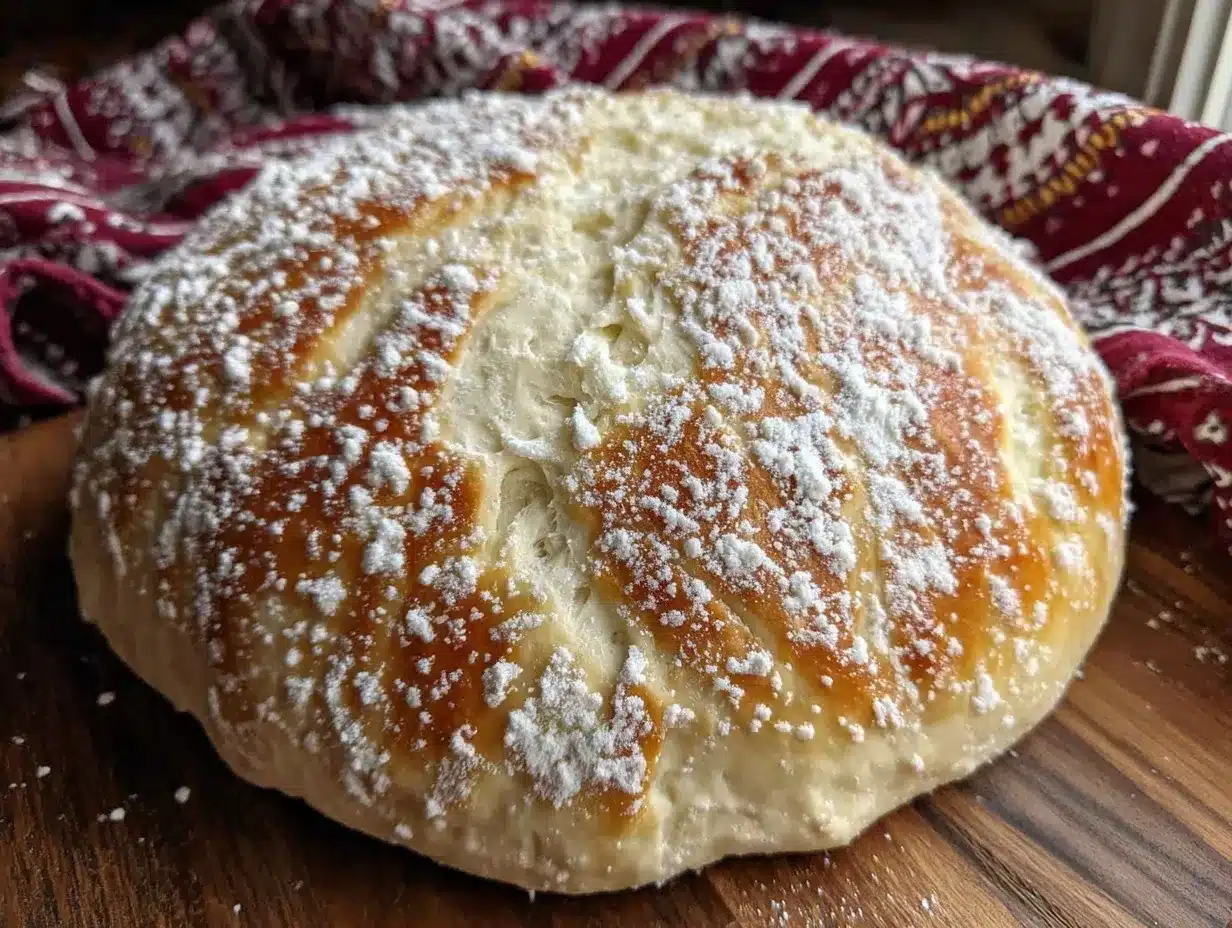
- Activate the yeast: In your large mixing bowl, combine the warm water (1 ⅓ cups / 320 ml) with the sugar (1 teaspoon) and active dry yeast (2 ¼ teaspoons). Stir gently, then let it sit for 5 to 10 minutes until it’s foamy and bubbly. If it doesn’t foam, your yeast might be expired or the water too hot/cold—start over.
- Mix the dough: Add the all-purpose flour (3 ½ cups / 440 g), salt (1 ½ teaspoons), and olive oil (2 tablespoons) to the yeast mixture. Stir with a wooden spoon or dough whisk until it starts to come together. The dough will be shaggy but sticky—that’s perfect.
- Knead the dough: Turn the dough onto a floured surface and knead by hand for about 8 to 10 minutes. You’re aiming for a smooth, elastic ball that springs back when poked. If it’s too sticky, sprinkle a little flour as you knead, but don’t overdo it; you want soft dough, not dense.
- First rise: Lightly oil your mixing bowl, place the dough back inside, and cover with a clean towel or plastic wrap. Let it rise in a warm, draft-free spot for 1 to 1 ½ hours, or until doubled in size. I usually put mine near the kitchen window where the morning sun hits just right.
- Shape and bake: Once risen, punch down the dough gently to release air bubbles. Divide into two portions if making smaller pizzas, or keep whole for a large one. Roll or stretch the dough on a floured surface to your desired thickness. Add toppings, then bake on a preheated pizza stone or baking sheet at 475°F (245°C) for 12-15 minutes, or until the crust is golden and cheese bubbly.
Quick note: If your dough shrinks back when you try to shape it, let it rest for 5 more minutes—gluten needs a breather sometimes!
Cooking Tips & Techniques
Getting pizza dough right can be a little trial and error, but here are some tips I’ve picked up along the way:
- Water temperature matters: Yeast is a living organism, so water that’s too hot kills it, and too cold won’t activate it. Aim for warm (about 110°F / 43°C). I use a kitchen thermometer or just trust the feel—warm to the touch but not scalding.
- Kneading by hand: You’ll know you’ve kneaded enough when the dough feels elastic and smooth. If it’s tearing easily, it needs more kneading.
- Patience with rising: Don’t rush the proofing process. If your kitchen is cold, the dough might take longer. You can place the bowl inside an oven with just the light on for a cozy rise.
- Use a pizza stone if you can: It mimics the effect of a brick oven by absorbing moisture and giving you that crisp crust everyone loves.
- Don’t overload your pizza: Too many toppings weigh down the dough and can make it soggy. Trust me, I’ve learned this the hard way after one too many floppy slices.
Also, if you want to add a smoky flavor to your crust, try brushing it with a little garlic-infused olive oil before baking. It’s a small trick that makes a big difference.
Variations & Adaptations
This easy homemade pizza dough recipe for perfect pizzas is wonderfully flexible. Here are some ways to make it your own:
- Whole wheat dough: Swap half the all-purpose flour with whole wheat flour for a nuttier, heartier crust. It’s a nice way to sneak in a bit more fiber.
- Herbed dough: Add 1 to 2 teaspoons of dried Italian herbs like oregano, basil, or rosemary directly into the flour. It adds a lovely aroma and flavor right from the crust.
- Gluten-free option: Use a gluten-free flour blend designed for baking and add a tablespoon of xanthan gum if your mix doesn’t include it. Note that texture will be different but still tasty.
- Overnight rise: After mixing, refrigerate the dough overnight for a slow fermentation that develops deeper flavor. Just bring it back to room temperature before shaping.
- Cheesy crust: Roll the edges with shredded mozzarella or sprinkle parmesan on the rim before baking for a cheesy surprise with every bite.
I once tried mixing in a bit of roasted garlic into the dough and wow, it gave the crust a subtle, savory depth that paired beautifully with a simple margherita topping.
Serving & Storage Suggestions
Serve your pizza fresh and hot right out of the oven to enjoy that perfect crispy-chewy crust combo. If you want, add a sprinkle of fresh basil or drizzle with a little extra virgin olive oil for that restaurant touch.
This dough makes enough for two medium pizzas. If you have leftovers, wrap the unbaked dough tightly in plastic wrap and store in the fridge for up to 3 days. For longer storage, freeze the dough ball in a zip-top bag for up to 3 months—just thaw in the fridge overnight before using.
Leftover cooked pizza reheats best in a hot oven or a cast iron skillet to keep the crust crispy. Microwaving makes it soggy, and no one wants that.
Flavors tend to deepen if you make the dough a day ahead and refrigerate it, so if you’re planning ahead, that’s a neat little tip to keep in mind. And if you want to switch gears, this dough also makes a fantastic base for a rustic cheesy cornbread casserole crust or even a quick garlic bread.
Nutritional Information & Benefits
This pizza dough is fairly straightforward nutritionally. A single serving (about 1/8th of the dough) provides approximately:
| Calories | 180 kcal |
|---|---|
| Carbohydrates | 35 g |
| Protein | 5 g |
| Fat | 3 g |
| Fiber | 1 g |
The olive oil adds heart-healthy monounsaturated fats, and the yeast offers some B vitamins. Using whole wheat flour boosts fiber and nutrients if you make that substitution. This dough is naturally free from dairy and eggs, which is great for many dietary restrictions.
Note: This recipe contains gluten and yeast, so it’s not suitable for those with celiac disease or yeast sensitivities.
For a balanced meal, pair your pizza with a fresh salad or roasted veggies, making for a satisfying yet wholesome dinner.
Conclusion
This easy homemade pizza dough recipe for perfect pizzas has become one of those recipes I reach for when I want to impress without stress. It’s approachable, forgiving, and really brings out the best in your toppings and flavors.
Feel free to tweak the flour, add herbs, or try that overnight rise to make it your own. I love this dough because it’s more than just a base; it’s the start of a pizza night that feels special but totally doable.
Give it a go, and you just might find yourself making pizza from scratch on repeat—kind of like I do. If you try it, share your twists or questions in the comments—I’d love to hear how your perfect pizza turns out.
Here’s to homemade crusts that taste like love.
Frequently Asked Questions
How long does it take to make homemade pizza dough?
Active prep takes about 15 minutes. Then the dough needs 1 to 1 ½ hours to rise before shaping and baking.
Can I make pizza dough without yeast?
You can use baking powder as a quick substitute, but the texture and flavor will be quite different from traditional yeast dough.
What’s the best way to store leftover pizza dough?
Wrap it tightly in plastic wrap and refrigerate for up to 3 days, or freeze for up to 3 months. Thaw overnight in the fridge before using.
Can I prepare this dough in a stand mixer?
Yes! Use the dough hook attachment and mix/knead on medium speed for about 6-7 minutes until smooth and elastic.
Why is my pizza dough sticky or hard to handle?
Sticky dough usually means too much water or not enough flour. Add flour sparingly while kneading. If it’s tough, you might be over-kneading or using too much flour—aim for a soft, slightly tacky dough.
Pin This Recipe!

Easy Homemade Pizza Dough Recipe
A simple and foolproof recipe for homemade pizza dough that yields a crispy yet tender crust with a perfect balance of flavor and texture.
- Prep Time: 15 minutes
- Cook Time: 12-15 minutes
- Total Time: 1 hour 30 minutes to 1 hour 45 minutes
- Yield: 2 medium pizzas 1x
- Category: Main Course
- Cuisine: Italian
Ingredients
- 3 ½ cups (440 g) all-purpose flour
- 2 ¼ teaspoons (1 packet) active dry yeast
- 1 ⅓ cups (320 ml) warm water (about 110°F / 43°C)
- 1 teaspoon sugar
- 1 ½ teaspoons salt
- 2 tablespoons olive oil (extra virgin recommended)
Instructions
- Activate the yeast: In a large mixing bowl, combine warm water, sugar, and active dry yeast. Stir gently and let sit for 5 to 10 minutes until foamy.
- Mix the dough: Add flour, salt, and olive oil to the yeast mixture. Stir until the dough starts to come together; it will be shaggy and sticky.
- Knead the dough: Turn dough onto a floured surface and knead by hand for 8 to 10 minutes until smooth and elastic. Add flour sparingly if too sticky.
- First rise: Lightly oil the mixing bowl, place dough inside, cover with a towel or plastic wrap, and let rise in a warm spot for 1 to 1 ½ hours until doubled in size.
- Shape and bake: Punch down dough, divide if desired, roll or stretch on floured surface, add toppings, and bake on preheated pizza stone or baking sheet at 475°F (245°C) for 12-15 minutes until crust is golden and cheese bubbly.
Notes
Use warm water about 110°F to activate yeast properly. If dough shrinks when shaping, let it rest 5 minutes. For crispier crust, use a pizza stone. Avoid overloading pizza with toppings to prevent sogginess. Brushing crust with garlic-infused olive oil before baking adds smoky flavor. Dough can be refrigerated overnight for deeper flavor or frozen for up to 3 months.
Nutrition
- Serving Size: 1/8th of the dough (
- Calories: 180
- Fat: 3
- Carbohydrates: 35
- Fiber: 1
- Protein: 5
Keywords: pizza dough, homemade pizza, easy pizza dough, pizza crust, yeast dough, pizza recipe