“You’re telling me to cook my ribeye low and slow first, then finish it with a sear? Sounds upside down.” That’s exactly what I said the first time a buddy nudged me toward the reverse sear method for a ribeye. Honestly, I was skeptical—ribs steaks are sacred territory, and I thought there was only one way to get that perfect crust. But when I finally gave the Perfect Carnivore Reverse Sear Ribeye with Beef Tallow Baste a shot, it felt like discovering the secret handshake of steak lovers.
It all started one late Sunday afternoon, when I had a craving for a seriously indulgent steak but didn’t want to wrestle with uneven cooking or a burnt edge. I dusted off a thick ribeye, grabbed my trusty beef tallow from the fridge, and committed to this “reverse sear” idea. The slow, gentle heat coaxed the meat to a perfect medium rare edge to edge, and then the final sear, with that luscious beef tallow baste, gave it a crust so rich and flavorful it almost felt like cheating.
What really hooked me was the smell—deep, beefy, buttery, and just a little wild. It reminded me of those smoky barbecue joints but with a home kitchen vibe. After that, this recipe became my go-to whenever I wanted a steak that hits every note: juicy, tender, and mouth-wateringly crisp on the outside. It’s a quiet kind of satisfaction, the kind that sticks with you long after the last bite.
Why You’ll Love This Recipe
Having grilled and pan-seared countless steaks over the years, I can say this reverse sear ribeye recipe is something special. Here’s why it’s earned a permanent spot in my rotation:
- Quick & Easy: The whole process takes about 45 minutes, which is perfect for a weekend treat without the fuss.
- Simple Ingredients: No fancy marinades or weird additives—just high-quality ribeye, salt, pepper, and that magical beef tallow.
- Perfect for Special Dinners: Whether you’re impressing at a date night or just craving a steakhouse vibe at home, this hits the mark.
- Crowd-Pleaser: I’ve served this to guests who usually prefer grilled steaks, and they kept asking for the recipe afterward.
- Unbelievably Delicious: The beef tallow baste brings buttery richness and helps build that golden crust that makes every bite sing.
This isn’t just another reverse sear recipe—it’s my best version, with the beef tallow adding a depth of flavor and mouthfeel that you don’t get from plain oil or butter. The slow cook ensures even doneness, and the final sear with basting locks in juices while delivering an irresistible crust. If you want steak comfort food without the guesswork, this one’s for you.
What Ingredients You Will Need
This recipe uses simple, wholesome ingredients that showcase the beef without distractions. Most are pantry staples, except maybe the beef tallow, which is worth hunting down or making yourself for that authentic carnivore touch.
- Ribeye Steak: 1 thick-cut (1.5 to 2 inches, about 16 ounces/450 g). Look for well-marbled USDA Choice or Prime for best flavor.
- Beef Tallow: 2-3 tablespoons, rendered and solid (adds rich, beefy fat for basting). I prefer using Fatworks brand for consistent quality.
- Sea Salt: Coarse or kosher salt, for seasoning (helps form crust and enhances flavor).
- Freshly Ground Black Pepper: To taste, freshly cracked for that sharp bite.
- Optional Aromatics for Baste: 2 cloves garlic (crushed), and 2 sprigs fresh thyme or rosemary (adds subtle herbaceous notes during searing).
If you want a carnivore-pure approach, stick with just salt, pepper, and beef tallow. For a bit of an herb boost, the aromatics make a nice touch but aren’t necessary.
Substitutions? If you can’t find beef tallow, high-quality unsalted butter or ghee works in a pinch, but you’ll miss that signature beefy richness. For a leaner cut, this method still works, but ribeye’s marbling really shines here.
Equipment Needed
- Oven-safe wire rack and baking sheet: Essential for the slow cook stage to allow air circulation and even heat around the steak.
- Cast iron skillet: The best tool for the sear—retains heat beautifully and helps build that crust.
- Instant-read meat thermometer: Crucial for nailing the perfect internal temperature without cutting into the steak.
- Tongs: For safely flipping and basting the steak.
- Small spoon: To scoop up beef tallow and baste the steak during searing.
If you don’t have a cast iron skillet, a heavy stainless steel pan will do, but you might miss some of the crust development. For budget-friendly options, a simple wire rack and baking sheet combo can be found at most kitchen stores without breaking the bank. Keeping your cast iron seasoned and dry before cooking helps prevent sticking and builds flavor over time.
Preparation Method
- Bring the Ribeye to Room Temperature (20-30 minutes): Pat your ribeye dry with paper towels. Season generously with sea salt and freshly ground black pepper on all sides. Let it rest on the counter while you prep. This step helps the steak cook evenly.
- Preheat Oven and Set Up Rack: Preheat your oven to 275°F (135°C). Place a wire rack on a baking sheet to catch drippings and allow air circulation.
- Slow Roast the Steak (20-30 minutes): Place the ribeye on the wire rack and insert an instant-read thermometer into the thickest part. Roast in the oven until the internal temperature reaches about 110°F (43°C) for rare or 120°F (49°C) for medium-rare. This slow heat gently cooks the steak from edge to edge with minimal moisture loss.
- Rest the Steak (5 minutes): Remove the ribeye from the oven and let it rest while you heat your skillet. Resting allows the juices to redistribute.
- Heat the Cast Iron Skillet: Place your cast iron skillet over medium-high heat. Add the beef tallow and let it melt and shimmer (about 2-3 minutes). Add garlic cloves and herbs if using, letting them infuse the fat.
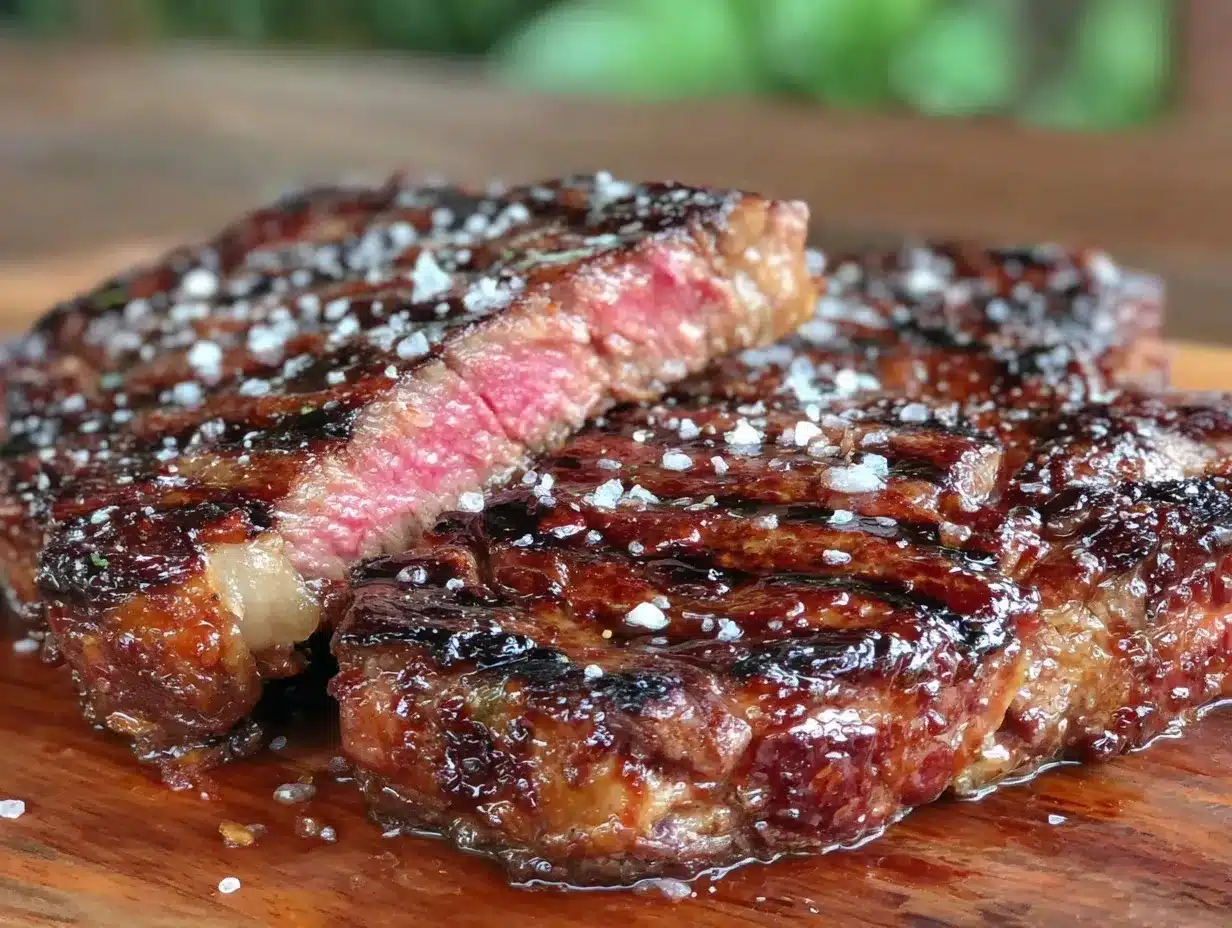
- Sear the Ribeye (2-3 minutes per side): Carefully place the ribeye into the hot skillet. Sear each side until a deep golden crust forms. While searing, tilt the skillet slightly and use a spoon to baste the steak continuously with the beef tallow. This adds flavor and helps develop that irresistible crust.
- Check Temperature and Final Rest: Use the thermometer to confirm the steak reaches your desired doneness (125°F/52°C for medium-rare). Remove the steak, tent loosely with foil, and rest for 5-10 minutes before slicing.
Pro tip: If your crust isn’t dark enough after searing, you can crank the heat for the last 30 seconds per side—but watch carefully to avoid burning. The basting not only flavors but also cools the pan slightly, helping control the sear process.
Cooking Tips & Techniques
One thing I learned after a few tries: patience is key with reverse searing. Rushing the slow roast leads to uneven cooking, and skipping the rest phases means lost juices. The beef tallow baste is a game changer—not just flavor, but creating that perfect crust without burning the pan.
Common mistakes:
- Skipping the dry pat: Moisture on the steak prevents crust formation.
- Too hot skillet too early: You want the pan hot but not smoking before adding the fat.
- Not basting enough: Those spoonfuls of hot tallow build flavor layers and keep the steak moist.
When multitasking, start the slow roast while prepping your sides or a dessert like the creamy peanut butter French silk pie. This way, your steak and dessert finish around the same time for a seamless meal.
Consistency comes with practice—using a thermometer is your best friend here, avoiding the “poke and hope” method that often leads to over or undercooked steaks.
Variations & Adaptations
While this recipe sings with a ribeye and beef tallow, here are some ways to switch it up:
- Different Cuts: Try it with a New York strip or a thick filet mignon. Just adjust slow roast time based on thickness.
- Herb Butter Baste: Swap beef tallow for a compound butter with parsley and garlic for a softer crust and more herbaceous flavor.
- Spicy Kick: Add a pinch of smoked paprika or cayenne to seasoning for subtle heat that complements the beefy richness.
- Allergen-Friendly: This recipe is naturally gluten- and dairy-free if you stick with beef tallow and avoid butter.
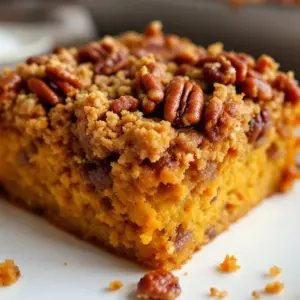
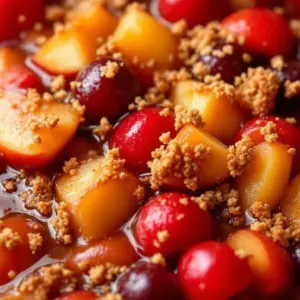
- Seasonal Twist: In colder months, pairing this steak with a side like the sweet potato cranberry gratin brings a festive touch and balances the richness beautifully.
Once, I tried finishing the sear with a quick splash of bourbon in the pan—caution, it flared up but added a smoky-sweet note that was pretty memorable. Not for every day, but fun for a special occasion.
Serving & Storage Suggestions
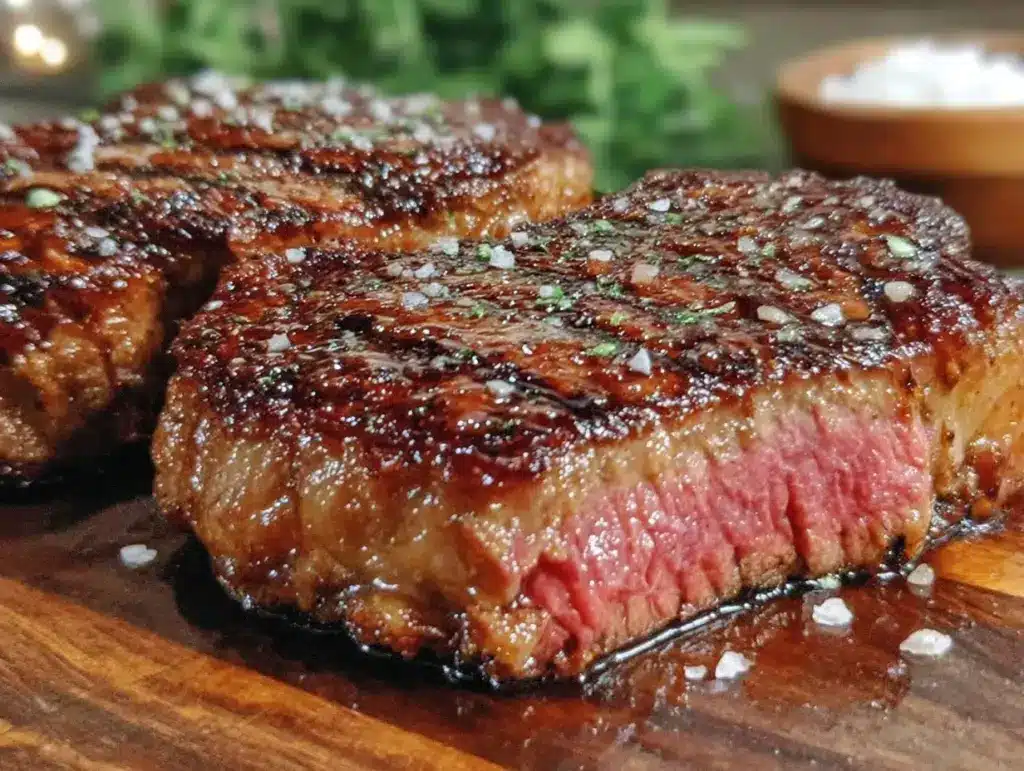
Serve this ribeye hot off the pan with a sprinkle of flaky sea salt to highlight the crust. I love slicing it thin against the grain to show off the juicy, pink interior. This steak pairs beautifully with simple roasted vegetables or a fresh green salad to cut through the richness.
For leftovers, wrap the steak tightly in foil and refrigerate up to 3 days. Reheat gently in a low oven (around 250°F/120°C) wrapped in foil to keep it tender, or briefly sear again in a hot pan with a little beef tallow to revive the crust.
Flavors continue to deepen overnight, so sometimes I find the next day’s steak sandwiches or salads even better. If you want to freeze, slice first and freeze in an airtight container—thaw slowly in the fridge before reheating.
Nutritional Information & Benefits
Estimated per serving (1 ribeye steak, approx. 16 oz/450 g):
| Calories | ~900 kcal |
|---|---|
| Protein | 70 g |
| Fat | 70 g |
| Carbohydrates | 0 g |
This recipe is packed with high-quality protein and healthy fats from beef tallow, which contains conjugated linoleic acid (CLA) and fat-soluble vitamins. It fits naturally into carnivore, keto, and low-carb diets. Be mindful if you have cholesterol concerns, but for most people, enjoying this steak occasionally as part of a balanced diet is both satisfying and nourishing.
Conclusion
The Perfect Carnivore Reverse Sear Ribeye with Beef Tallow Baste is my go-to method when I want a steak that feels indulgent but effortless. The slow roast cooks the meat evenly, while the beef tallow baste builds a crust that’s pure flavor magic. It’s a recipe that invites you to slow down, enjoy the process, and savor every bite.
Whether you’re cooking for one or treating a small crowd, this method delivers consistent results that impress without stress. I love how it pairs with rich, comforting sides or even a simple salad to balance the richness. And if you want to round out your meal with something sweet, the peanut butter French silk pie is a decadent finish that guests adore.
Give this recipe a try, tweak it to your taste, and let me know how your ribeye turns out. Cooking steak this way changes the game—and honestly, once you go reverse sear with beef tallow, it’s hard to go back.
Frequently Asked Questions
What is the reverse sear method?
Reverse searing means cooking the steak slowly at a low temperature first, then finishing with a high-heat sear to develop a crust. This technique ensures even doneness and a juicy interior.
Can I use other fats instead of beef tallow?
Yes, unsalted butter or ghee can be used, but beef tallow adds a unique beefy richness that’s hard to replicate.
How do I know when the steak is done?
Use an instant-read thermometer to check internal temperature: 125°F (52°C) for medium-rare, 135°F (57°C) for medium. Insert into the thickest part of the steak.
Can I reverse sear thinner steaks?
You can, but thinner steaks may cook too quickly in the oven and risk drying out. For best results, choose steaks at least 1.5 inches thick.
Is this recipe suitable for keto or carnivore diets?
Absolutely. It’s high in protein and fat, with zero carbs, making it ideal for keto and carnivore eating styles.
Pin This Recipe!
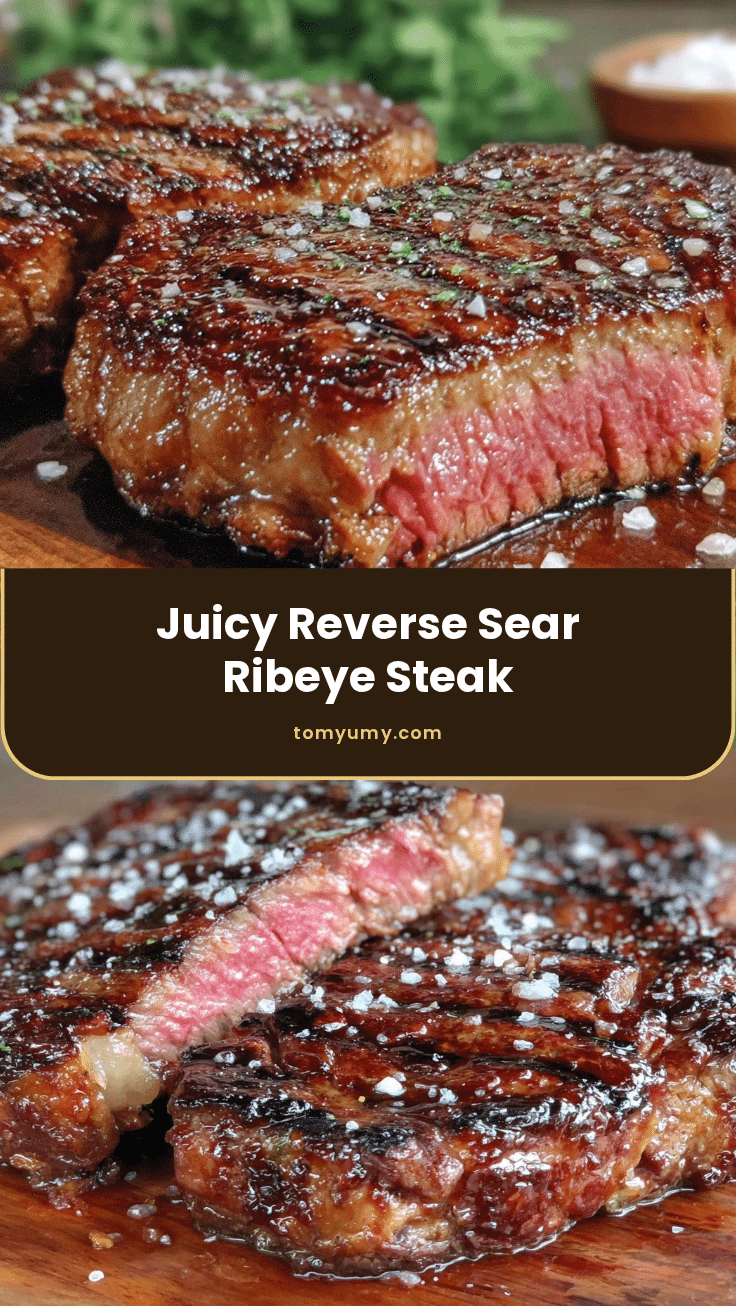
Perfect Carnivore Reverse Sear Ribeye Recipe with Beef Tallow Baste Guide
A reverse sear ribeye steak cooked low and slow then finished with a beef tallow baste for a rich, flavorful crust and juicy interior. Perfect for steak lovers seeking an indulgent yet simple method.
- Prep Time: 25 minutes
- Cook Time: 20-30 minutes
- Total Time: 45-55 minutes
- Yield: 1 serving 1x
- Category: Main Course
- Cuisine: American
Ingredients
- 1 thick-cut ribeye steak (1.5 to 2 inches thick, about 16 ounces / 450 g)
- 2–3 tablespoons beef tallow, rendered and solid
- Sea salt (coarse or kosher), to taste
- Freshly ground black pepper, to taste
- Optional aromatics for baste: 2 cloves garlic (crushed), 2 sprigs fresh thyme or rosemary
Instructions
- Bring the ribeye to room temperature (20-30 minutes). Pat dry with paper towels and season generously with sea salt and freshly ground black pepper on all sides.
- Preheat oven to 275°F (135°C). Place a wire rack on a baking sheet.
- Place the ribeye on the wire rack and insert an instant-read thermometer into the thickest part. Roast in the oven until internal temperature reaches about 110°F (43°C) for rare or 120°F (49°C) for medium-rare (20-30 minutes).
- Remove the ribeye from the oven and let it rest for 5 minutes.
- Heat a cast iron skillet over medium-high heat. Add beef tallow and let it melt and shimmer (2-3 minutes). Add garlic cloves and herbs if using to infuse the fat.
- Sear the ribeye in the hot skillet for 2-3 minutes per side, basting continuously with beef tallow using a spoon to develop a deep golden crust.
- Check the internal temperature to confirm desired doneness (125°F / 52°C for medium-rare). Remove steak, tent loosely with foil, and rest for 5-10 minutes before slicing.
Notes
Pat steak dry before seasoning to ensure crust formation. Use a thermometer for precise doneness. Baste continuously with beef tallow during searing to build flavor and crust. Rest steak after cooking to redistribute juices. If crust isn’t dark enough, increase heat briefly but watch carefully to avoid burning.
Nutrition
- Serving Size: 1 ribeye steak (appr
- Calories: 900
- Fat: 70
- Protein: 70
Keywords: reverse sear, ribeye steak, beef tallow, steak recipe, carnivore diet, keto, low carb, pan sear, oven roast