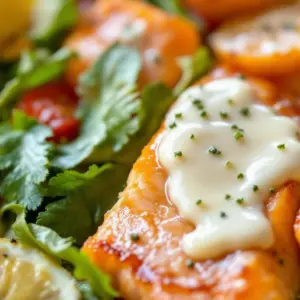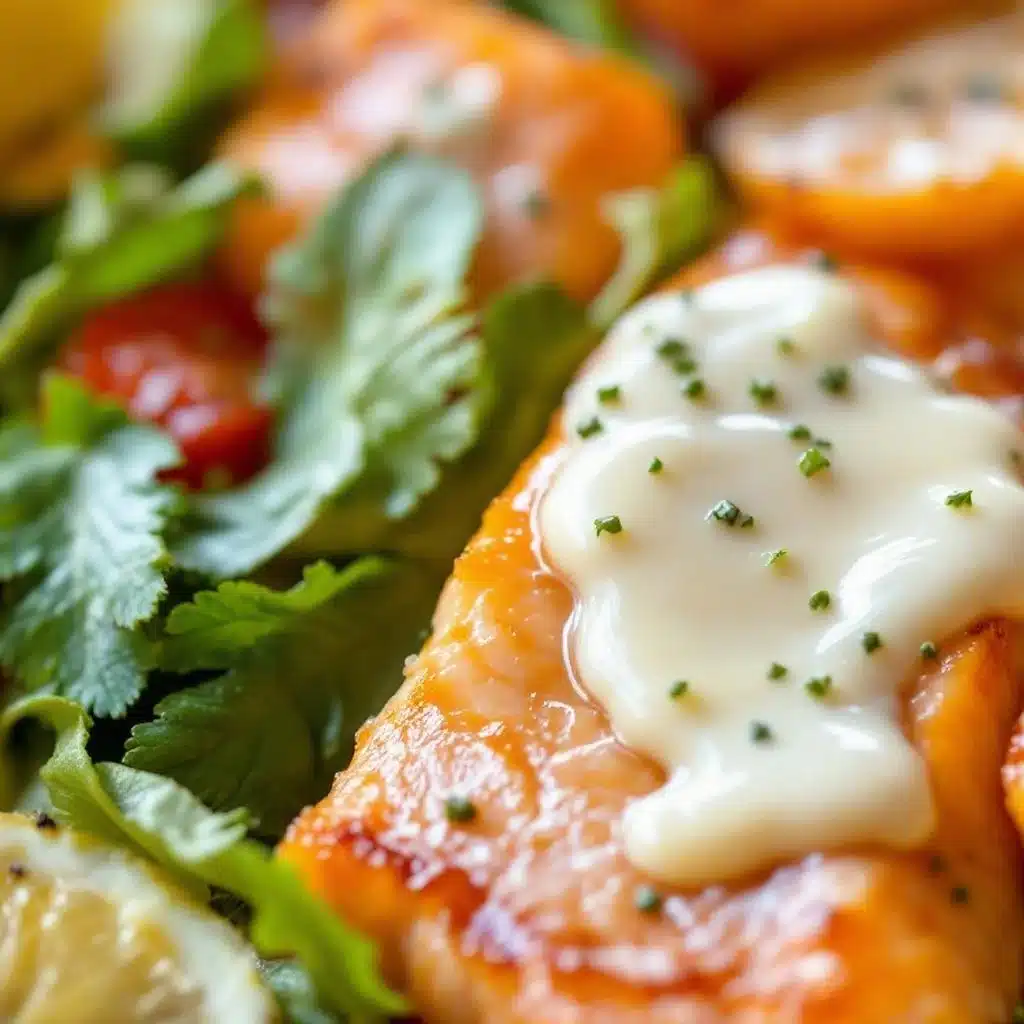
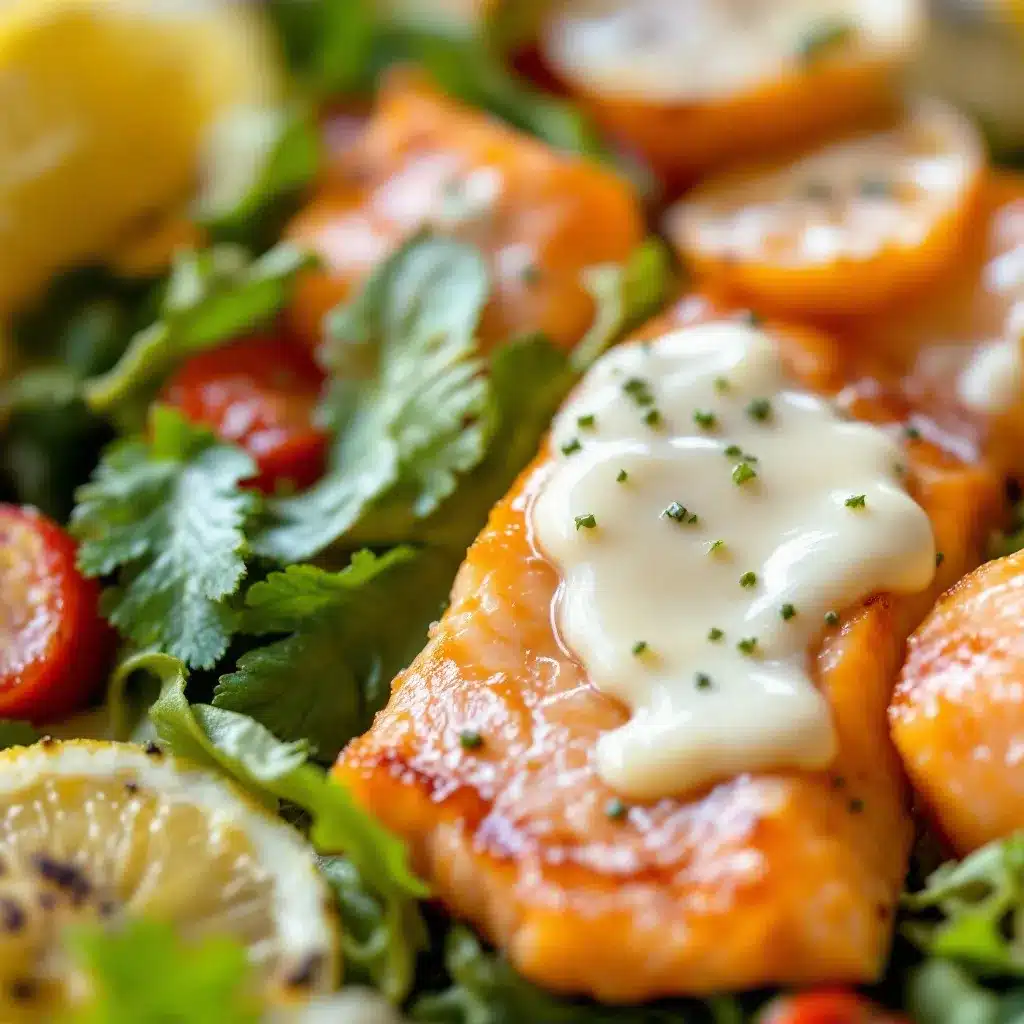
It is just past two in the morning, and the only thing I want is crispy honey glazed salmon with lemon butter. The house is completely silent except for the hum of the refrigerator. I am standing alone in the kitchen, wearing that oversized t-shirt that has seen better days, staring into the open fridge like it holds the secrets of the universe. Honestly, it’s not about the hunger. It’s about the ritual. It’s about the specific, sticky sweetness of honey meeting the sharp, bright punch of lemon before it hits the hot pan.
I don’t cook for an audience at this hour. There are no cameras, no plating for Instagram, no pretense of being a culinary artist. I just want something fast, something that tastes like comfort but doesn’t sit heavy in my stomach. This recipe belongs to the quiet hours. It belongs to the days when I need a win that takes less than fifteen minutes. The smell of caramelizing honey fills the small space, wrapping around me like a warm blanket. It’s a specific kind of peace that only comes from mastering a simple skill in the dark.
People always ask for the fancy recipes, the ones with ten different spices and a two-hour cook time. But you know, the truth is, the best meals are often the ones you throw together when you’re tired. I’ve made this salmon so many times that my hands move on autopilot. I don’t even need to look at the instructions anymore. I just know that the skin needs to sizzle, and the glaze needs to bubble just enough to turn amber. It’s not complicated. It’s just honest food.
There is a reason this recipe stuck with me. It’s because it works when nothing else does. When I’m stressed, or when I’m running on three hours of sleep, I know exactly what to do. I get the pan hot. I get the honey ready. I wait for that first bite that crunches before it yields to the tender fish inside. It’s a small moment of control in a chaotic week. And let’s face it, sometimes that’s all you really need.
Why You’ll Love This Recipe
I’ve been cooking salmon for over a decade, and I’ve tried dozens of glazes. Some are too sweet, some are too salty, and some just taste like they came in a jar from a gas station. This version is different because it balances the sticky sweetness of honey with the acidic bite of lemon. It’s not just good; it’s the kind of dish that makes you close your eyes after the first bite. It’s comfort food reimagined—healthier, faster, but with the same soul-soothing satisfaction.
Here is why this specific combination works so well for your weeknight routine:
- Quick & Easy: This comes together in under 15 minutes, perfect for those busy weeknights when you’re starving but don’t want to order takeout. It’s faster than waiting for a delivery driver, and it tastes infinitely better.
- Simple Ingredients: No fancy grocery trips needed. You likely already have honey, lemon, butter, and salmon fillets in your kitchen. If you don’t, a quick stop to the store is all it takes. It relies on pantry staples that you probably use every week anyway.
- Perfect for Solo Dinners: Great for those nights when you just want to eat something good without having to cook a massive meal for others. It’s a single-pan wonder that doesn’t require a lot of cleanup.
- Crowd-Pleaser: Even the pickiest eaters at the table will ask for seconds. The combination of sweet and savory is universally loved by kids and adults alike. It’s a safe bet when you’re unsure what to make.
- Unbelievably Delicious: The texture and flavor combo is next-level. The skin gets surprisingly crispy while the inside stays moist. The lemon butter sauce adds a richness that honey alone couldn’t achieve.
What makes this recipe stand out from the rest is the technique. Many people ruin salmon by overcooking it or using too much sugar, which burns quickly. I’ve tested this ratio so you don’t have to. The key is keeping the heat medium-high but not blazing, and watching that glaze closely. It’s not just another version of honey salmon—it’s your best version. It connects emotionally because it reminds you that cooking doesn’t have to be a chore. It can be a quick, satisfying act of self-care.
What Ingredients You Will Need
This recipe uses simple, wholesome ingredients to deliver bold flavor and satisfying texture without the fuss. You don’t need a specialty store to make this. The magic happens in the balance of the glaze and the quality of the fish. I recommend using wild-caught salmon if you can find it, as it has a firmer texture and richer flavor, but farm-raised works fine too. The goal is to keep things easy and accessible.
- Skin-on Salmon Fillets: Four fillets, about 6 ounces each. Keeping the skin on helps protect the fish from drying out and adds a nice crunch. Look for fillets that are uniform in thickness so they cook evenly. Pat them dry with paper towels before seasoning—this is crucial for crispy skin.
- Unsalted Butter: Three tablespoons, divided. Using unsalted butter allows you to control the sodium level. Half of this goes into the glaze, and the rest is used to finish the sauce. I prefer European-style butter for its higher fat content, which gives a richer flavor, but standard butter works well too.
- Raw Honey: Three tablespoons. This is the star of the show. Raw honey has a more complex flavor than processed honey. It caramelizes beautifully in the pan. If you don’t have raw honey, regular honey works, but the flavor won’t be as deep. Avoid honey that is too runny, as it may burn faster.
- Fresh Lemon Juice: Two tablespoons. You must use fresh lemon juice. Bottled juice tastes metallic and flat. Squeeze it yourself right before you cook. The acidity cuts through the sweetness of the honey and the richness of the butter.
- Lemon Zest: From one medium lemon. This adds aromatic oils that lemon juice alone can’t provide. It brightens up the entire dish. Grate only the yellow part, avoiding the white pith, which is bitter.
- Garlic: One clove, minced finely. Garlic adds a savory depth that balances the sweet glaze. Don’t skip this, or the flavor will feel one-dimensional. Mincing it finely ensures it doesn’t burn in the hot pan.
- Soy Sauce: One teaspoon. This is the secret ingredient. It adds umami and saltiness without making the dish taste like Asian cuisine. It rounds out the flavors and helps the glaze stick to the fish.
- Black Pepper: Freshly cracked. Use a good amount here. The pepper adds a subtle heat that contrasts with the honey. Pre-ground pepper lacks the punch needed for this recipe.
- Sea Salt: To taste. Since the soy sauce and butter add salt, start with a light hand. Taste as you go. Flaky sea salt on top at the end adds a nice texture contrast.
- Neutral Oil: One tablespoon. Use an oil with a high smoke point, like avocado oil or grapeseed oil. Olive oil can burn at the high heat needed for crispy skin. This oil goes in the pan first to create a non-stick surface.
Do I need to use wild-caught salmon?
While wild-caught is preferred for its texture and flavor, farm-raised salmon works perfectly fine. Just be sure to pat it very dry to ensure the skin gets crispy.
Can I use maple syrup instead of honey?
You can, but the flavor will be different. Maple syrup has a distinct taste that might clash with the lemon. Honey provides a neutral sweetness that pairs better with the citrus. If you must use syrup, use a light maple syrup.
Equipment Needed
You don’t need a fancy kitchen to make this. A few basic tools will get the job done. The most important piece of equipment is a large skillet. I recommend a cast-iron skillet because it holds heat well and helps the skin crisp up evenly. A stainless steel skillet is also a great option if you don’t have cast iron. Avoid non-stick pans if you want that authentic crispy texture, as they can sometimes prevent proper browning.
You’ll also need a small saucepan or a small bowl for mixing the glaze. Heating the honey and butter together makes the glaze easier to spread. A whisk is helpful for combining the ingredients smoothly, but a fork works in a pinch. A spatula with a thin, flexible edge is essential for flipping the salmon without breaking the delicate flesh. Look for one that fits snugly under the fillet.
Don’t forget a microplane or zester for the lemon. It makes quick work of getting that zest without the bitter pith. A paper towel is also crucial for drying the salmon. Moisture is the enemy of crispy skin, so having paper towels on hand is a must. If you don’t have these specific tools, you can improvise, but having the right skillet makes the biggest difference in the final result.
Preparation Method
Getting the salmon ready is the most important step. Take the fillets out of the fridge about 10-15 minutes before cooking. This brings them closer to room temperature, which helps them cook more evenly. Pat them thoroughly dry with paper towels. This step is non-negotiable if you want crispy skin. Wet fish steams instead of sears.
Season both sides of the salmon with salt and pepper. Be generous with the pepper. Set the fish aside while you prepare the glaze. In a small saucepan over low heat, combine the honey, two tablespoons of butter, soy sauce, minced garlic, and lemon zest. Stir gently until the butter melts and the mixture is smooth. Do not let it boil. You just want it warm and combined. Remove from heat and stir in the fresh lemon juice. The acid will thicken the mixture slightly. Set the glaze aside.
Heat a large skillet over medium-high heat. Add the neutral oil and swirl to coat the pan. Wait until the oil shimmers but doesn’t smoke. This indicates the pan is hot enough. Carefully place the salmon fillets in the pan, skin-side down. Press down gently with your spatula for the first 10 seconds to prevent the skin from curling. You should hear a loud sizzle. Let it cook undisturbed for about 4-5 minutes. This patience is key. If you try to move it too soon, the skin will stick and tear.
While the first side cooks, spoon some of the honey glaze over the top of the fillets. The heat from the pan will start to caramelize the honey on top. After 4-5 minutes, check the edges of the salmon. The color should change from translucent pink to opaque orange about halfway up the side of the fillet. If it is, it’s time to flip. Use your spatula to carefully turn the fillets over.
Once flipped, reduce the heat to medium. Cook for another 3-4 minutes. During this time, add the remaining tablespoon of butter to the pan. Tilt the pan and spoon the melted butter over the salmon repeatedly. This basting process adds richness and helps cook the top of the fish evenly. The glaze will bubble and thicken into a sticky coating. The salmon is done when it flakes easily with a fork and reaches an internal temperature of 145°F (63°C). Remove from heat immediately to prevent overcooking.
Transfer the salmon to plates. Pour any remaining glaze and brown butter from the pan over the top. Serve immediately while the skin is still crispy. The contrast between the hot, crispy skin and the tender, flaky fish is the best part of this dish. Enjoy it with your favorite sides, or just enjoy it plain if you’re like me and prefer to focus on the fish.
How do I know when the salmon is done?
The easiest way is to check the opacity. When the salmon turns from translucent to opaque pink about halfway up the side, it’s nearly done. It should flake easily with a fork. If you squeeze it and it feels firm, it’s ready. Overcooked salmon is dry and chewy, so err on the side of slightly undercooked.
Why does my salmon stick to the pan?
This usually happens if the pan isn’t hot enough or if the fish is wet. Make sure your pan is properly preheated and your fillets are completely dry. Also, don’t try to flip the fish too early. The skin will release naturally from the pan when it’s ready.
Cooking Tips & Techniques
I’ve made this recipe so many times that I’ve learned a few tricks along the way. One common mistake people make is using too much heat. High heat can burn the honey in seconds, leaving you with a bitter, charred mess. Medium-high heat is the sweet spot. It allows the honey to caramelize slowly and develop a deep, golden color without burning. If you see the glaze getting too dark, reduce the heat immediately.
Another tip is to baste the salmon. Spoons of butter and glaze over the top while it cooks on the second side add incredible flavor and moisture. It’s a technique I learned from watching professional chefs, and it makes a huge difference. It also helps to cook the top of the fish gently, ensuring it’s done all the way through without drying out the edges.
Timing is everything. Salmon cooks very quickly. A 6-ounce fillet usually takes about 8-10 minutes total. Thicker fillets may take a minute or two longer. Keep a close eye on it. It’s better to check early than to guess. If you’re unsure, use a meat thermometer. Insert it into the thickest part of the fish. 145°F is the safe temperature, but many chefs prefer to pull it at 135°F, as the residual heat will continue to cook it while it rests.
Finally, don’t skip the resting step. Let the salmon rest for two minutes after removing it from the pan. This allows the juices to redistribute throughout the fillet. If you cut into it immediately, the juices will run out, and the fish will be drier. A short rest makes a noticeable difference in texture.
What should the glaze look like when it’s done?
The glaze should be thick, sticky, and glossy. It should coat the back of a spoon. If it’s too thin, cook it for another minute. If it’s too thick or burning, add a splash of water or lemon juice to loosen it up.
Can I cook this in the oven?
You can, but you won’t get the same crispy skin. Baking is a good alternative if you’re cooking for a crowd, but for the best texture, stovetop is the way to go. If you bake it, broil the last two minutes to crisp up the top.
Variations & Adaptations
While this recipe is delicious as is, there are plenty of ways to tweak it to suit your taste. If you like a bit of heat, add a pinch of red pepper flakes to the glaze. The spicy-sweet combination is fantastic. You can also add a teaspoon of grated ginger for an Asian-inspired twist. Ginger pairs beautifully with honey and lemon.
For a dairy-free version, swap the butter for olive oil or coconut oil. The flavor will be slightly different, but the dish will still be delicious. If you’re avoiding soy, you can use tamari or coconut aminos instead. These provide the same umami depth without the gluten or soy.
I’ve also tried adding fresh herbs to the glaze. Basil or cilantro work well if you want a fresher taste. Just stir them in at the end so they don’t cook away. For a richer flavor, add a splash of white wine to the pan after removing the salmon. Let it reduce for a minute before adding the glaze. This creates a more complex sauce.
If you don’t have salmon, this glaze works well with other firm white fish like cod or halibut. Just adjust the cooking time accordingly, as these fish may cook faster. You can also use this glaze on chicken thighs for a quick weeknight dinner. The sweet and savory profile pairs well with poultry too.
How do I make this spicy?
Add red pepper flakes, a dash of sriracha, or a pinch of cayenne pepper to the glaze. Start with a small amount and adjust to your preference. The heat balances the sweetness well.
Can I use frozen salmon?
You can, but you must thaw it completely first. Frozen salmon releases a lot of water, which makes it hard to get crispy skin. Thaw it in the fridge overnight and pat it very dry before cooking.
Serving & Storage Suggestions
This salmon is best served immediately while the skin is crispy. I recommend pairing it with simple sides that don’t compete with the strong flavors of the glaze. Steamed broccoli, roasted asparagus, or a light quinoa salad work perfectly. A slice of crusty bread is also great for soaking up the extra lemon butter sauce.
For beverages, a crisp white wine like Sauvignon Blanc or Pinot Grigio complements the lemon and honey flavors beautifully. If you prefer non-alcoholic options, sparkling water with a splash of lemon juice is refreshing and light.
If you have leftovers, store them in an airtight container in the refrigerator for up to two days. The salmon will keep well, but the skin may lose its crispiness. To reheat, use a skillet over low heat to restore some of the texture. Avoid the microwave, as it will make the fish rubbery. You can also eat it cold over a salad for a quick lunch.
The flavors actually meld together nicely over time, so the leftovers might taste even more complex the next day. Just be sure to reheat gently to avoid drying out the fish. The glaze might thicken in the fridge, so add a splash of water or lemon juice when reheating to loosen it up.
How long does salmon last in the fridge?
Cooked salmon lasts for about two days in the refrigerator. After that, the quality starts to degrade, and the risk of spoilage increases. Always smell it before eating. If it smells sour or off, discard it.
Can I freeze this salmon?
You can freeze cooked salmon, but the texture may change. It’s best to freeze it in the glaze to prevent drying out. Thaw it in the fridge overnight and reheat gently. It won’t be as good as fresh, but it’s still edible.
Nutritional Information & Benefits
Salmon is a nutritional powerhouse. It is rich in omega-3 fatty acids, which are essential for heart health and brain function. These healthy fats help reduce inflammation in the body and support cognitive health. A single serving of this salmon provides a significant portion of your daily omega-3 needs.
It is also an excellent source of high-quality protein, which helps with muscle repair and satiety. The honey provides a quick energy boost, while the lemon adds vitamin C, which supports immune function. The butter adds vitamin A and D, making this a well-rounded meal.
This recipe is naturally gluten-free if you use tamari instead of soy sauce. It is low-carb if you skip the honey or use a sugar-free alternative. The overall calorie count is moderate, making it a great option for those watching their weight. I love this recipe because it feels indulgent but is actually quite healthy. It’s a guilt-free treat that nourishes your body.
Is this recipe keto-friendly?
It can be. Honey contains sugar, so it may not fit a strict keto diet. You can substitute honey with a keto-friendly sweetener like erythritol or monk fruit. The rest of the ingredients are naturally keto-friendly.
How much protein is in this dish?
Each fillet contains approximately 20-25 grams of protein, depending on the size. This makes it a great post-workout meal or a high-protein lunch option.
Conclusion
This crispy honey glazed salmon with lemon butter is more than just a recipe. It’s a reminder that good food doesn’t have to be complicated. It’s quick, it’s delicious, and it’s satisfying. I hope you try it and find your own quiet moments in the kitchen with it. Feel free to customize it with your favorite spices or sides. Cooking is about making it your own.
If you make this, I’d love to hear how it turns out. Leave a comment below with your thoughts or share a photo. Tag me on social media if you post it. I always enjoy seeing how you adapt the recipe. Thanks for reading, and happy cooking!
FAQs
What is the best way to get crispy salmon skin?
The key is to dry the skin thoroughly with paper towels before cooking and to place it skin-side down in a hot pan. Do not move it for the first few minutes to let it crisp up.
Can I use honey from a squeeze bottle?
Yes, but raw honey or honey in a jar often has a better flavor. If using a squeeze bottle, make sure it’s pure honey and not a honey blend with corn syrup.
How do I prevent the honey from burning?
Keep the heat at medium-high, not high. Watch the glaze closely and stir occasionally. If it starts to darken too quickly, reduce the heat or remove the pan from the burner.
What sides go well with this salmon?
Steamed vegetables, roasted potatoes, quinoa, or a simple green salad are great options. You want sides that complement the sweet and savory flavors without overpowering them.
Can I make this recipe ahead of time?
You can prepare the glaze ahead of time and store it in the fridge. However, it’s best to cook the salmon fresh for the best texture and flavor.
Pin This Recipe!
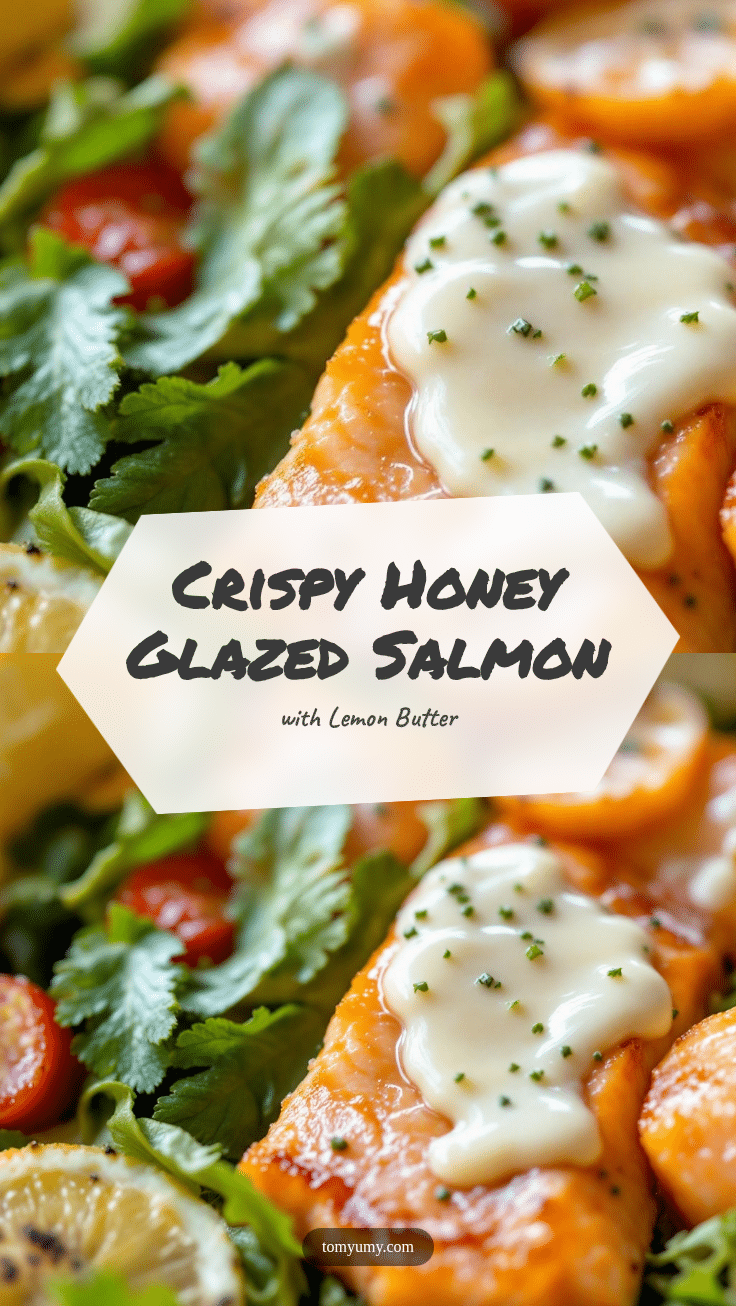
Crispy Honey Glazed Salmon with Lemon Butter

A quick and easy 15-minute dinner featuring crispy-skinned salmon fillets coated in a sticky, sweet-savory honey and lemon butter glaze. Perfect for busy weeknights or solo dinners.
- Prep Time: 10 minutes
- Cook Time: 10 minutes
- Total Time: 20 minutes
- Yield: 4 servings 1x
- Category: Main Course
- Cuisine: American
Ingredients
- 4 skin-on salmon fillets (about 6 ounces each)
- 3 tablespoons unsalted butter, divided
- 3 tablespoons raw honey
- 2 tablespoons fresh lemon juice
- Zest of 1 medium lemon
- 1 clove garlic, minced finely
- 1 teaspoon soy sauce
- Freshly cracked black pepper
- Sea salt, to taste
- 1 tablespoon neutral oil (e.g., avocado or grapeseed oil)
Instructions
- Remove salmon fillets from the fridge 10-15 minutes before cooking to bring to room temperature.
- Pat salmon fillets thoroughly dry with paper towels and season both sides with salt and pepper.
- In a small saucepan over low heat, combine honey, 2 tablespoons of butter, soy sauce, minced garlic, and lemon zest. Stir until butter melts and mixture is smooth. Remove from heat and stir in fresh lemon juice.
- Heat a large skillet (preferably cast-iron or stainless steel) over medium-high heat. Add neutral oil and swirl to coat.
- Once oil shimmers, place salmon fillets in the pan skin-side down. Press gently for 10 seconds to prevent curling.
- Cook undisturbed for 4-5 minutes until skin is crispy and color changes halfway up the side of the fillet.
- Spoon some of the honey glaze over the top of the fillets while cooking.
- Flip fillets carefully. Reduce heat to medium.
- Cook for another 3-4 minutes, basting with the remaining 1 tablespoon of melted butter and pan juices.
- Salmon is done when it flakes easily with a fork and reaches an internal temperature of 145°F (63°C).
- Transfer to plates and pour remaining glaze and brown butter over the top. Serve immediately.
Notes
Ensure salmon is completely dry before cooking for crispy skin. Do not move the salmon for the first few minutes to allow the skin to release naturally. If using farm-raised salmon, pat it extra dry. For a spicy variation, add red pepper flakes to the glaze.
Nutrition
- Serving Size: 1 fillet with glaze
- Calories: 350
- Sugar: 17
- Sodium: 300
- Fat: 22
- Saturated Fat: 8
- Carbohydrates: 18
- Protein: 25
Keywords: salmon, honey glazed salmon, lemon butter salmon, crispy salmon, quick dinner, weeknight meals, healthy seafood, 15 minute recipes, keto friendly, gluten free