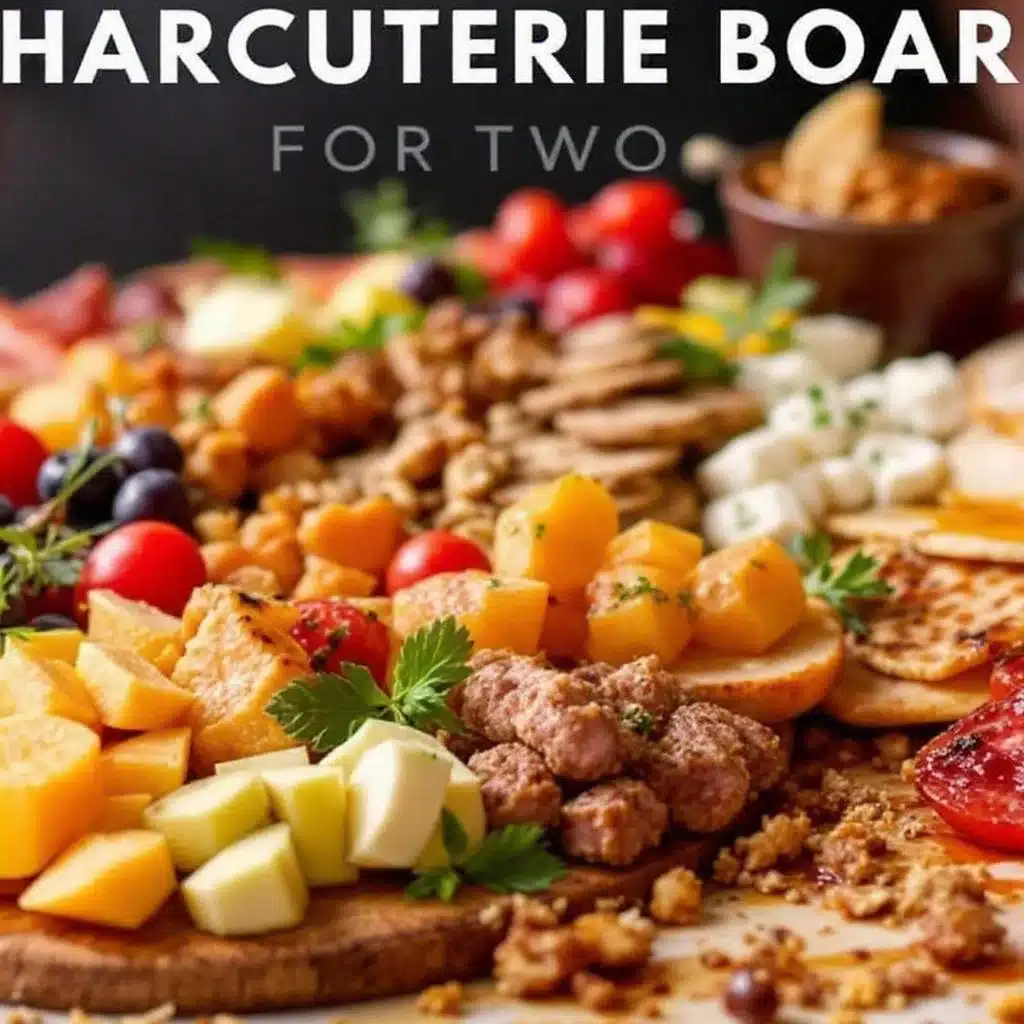
I did not trust a charcuterie board for two until the first slice of prosciutto hit my lips. Honestly, I thought the whole concept sounded like a pretentious mistake designed to justify spending forty dollars on cheese I couldn’t pronounce. My partner had been talking about it for months, dragging me past artisanal markets where the staff looked at me like I was speaking ancient Latin if I asked about the price of goat cheese. Let’s face it, I just wanted a glass of wine and some actual food, not a puzzle I had to solve with crackers.
The turning point wasn’t some grand romantic dinner. It was a rainy Tuesday night when we were too tired to cook but too hungry to order takeout. We raided the fridge, grabbed whatever cured meats were left, and piled them onto a wooden board with some grapes and a bag of cheap crackers. I was ready to complain about the lack of structure. Then I took a bite. The saltiness of the meat cut through the sweetness of the fruit, and the texture of the cheese was creamy enough to melt on my tongue. It was simple, but it felt intentional.
That small moment changed how I view entertaining. You don’t need a degree in culinary arts to create something that feels special. It’s about pairing flavors that work together, like the salty crunch of nuts with a soft brie. We ended up talking for hours, grazing instead of rushing through a meal. The stress of “what’s for dinner” vanished, replaced by the quiet joy of sharing food. I realized that a charcuterie board isn’t just about looking good for Instagram; it’s about creating a space where conversation can flow as easily as the wine.
Now, I make this for two almost every weekend. It’s become our ritual, a small escape from the week’s noise. I still don’t love shopping for fancy ingredients, but I love the result. It’s proof that you don’t need to overcomplicate things to make them memorable. The board is just a vessel for connection, and honestly, that’s the best ingredient you can have.
Why You’ll Love This Recipe
This Easy Build-Your-Own Charcuterie Board for Two isn’t just about throwing snacks on a plate; it’s about creating an experience that feels curated without the stress. I’ve tested dozens of combinations over the years, and this specific balance hits all the right notes for a cozy night in. It’s not another version of a party platter meant for twenty people; it’s designed specifically for intimacy and flavor without the waste.
Here is why this setup works so well for busy weeknights or lazy weekends:
- Quick & Easy: You can assemble this entire board in under fifteen minutes. It is perfect for those nights when you want to feel fancy but have zero energy to cook a full meal.
- Simple Ingredients: No fancy grocery trips needed. You likely already have crackers, cheese, and fruit in your kitchen. This recipe relies on pantry staples and basic deli items.
- Perfect for Date Night: Great for cozy dinners at home when you want to skip the restaurant crowds and noise.
- Crowd-Pleaser: Always gets rave reviews from kids and adults alike. Even picky eaters find something they like on a board like this.
- Unbelievably Delicious: The texture and flavor combo is next-level comfort food. The contrast between crunchy, creamy, salty, and sweet is satisfying.
What makes this recipe different from the rest is the focus on portion control and quality over quantity. Most tutorials tell you to buy five types of cheese and three kinds of meat, which is overwhelming and wasteful for two people. This guide focuses on high-impact pairings. Whether it is the specific technique of letting the cheese come to room temperature for better flavor, or the creative twist of adding a sweet jam to balance the savory meats, this isn’t just another version—it’s your best version.
This recipe isn’t just good—it is the kind that makes you close your eyes after the first bite. It’s comfort food reimagined—healthier, faster, but with the same soul-soothing satisfaction. It is perfect for impressing guests without stress, or turning a simple meal into something memorable. Plus, it pairs beautifully with other simple treats. If you want to add a sweet finish, consider serving it alongside Kentucky Sawdust Pie for a complete tasting experience.
What Ingredients You Will Need
This recipe uses simple, wholesome ingredients to deliver bold flavor and satisfying texture without the fuss. The beauty of a charcuterie board for two is that it allows you to buy small amounts of high-quality items rather than large quantities of mediocre ones. You don’t need to go to a specialty shop, but taking a few extra seconds to pick the right items makes a huge difference.
Here is what you will need to build your board:
For the Cheeses
- Hard Cheese: Aged cheddar or manchego, sliced or cubed. I recommend Boar’s Head aged cheddar for its sharp kick that stands up to wine. (adds depth)
- Soft Cheese: Brie or camembert, about 3-4 ounces. Look for a wheel that is slightly soft to the touch, indicating it is ripe. (creamy texture)
- Blue Cheese: Gorgonzola dolce or stilton, crumbled. Just a small amount is enough to add a punch of flavor. (pungent flavor)
For the Meats
- Cured Meat: Prosciutto or serrano ham, thinly sliced. Fold the slices loosely rather than laying them flat to create volume. (salty and savory)
- Dry Cured Sausage: Salami or sopressata, sliced into coins. (chewy texture)
- Optional Protein: Thinly sliced turkey or roast beef. (milder option)
For the Crunch and Fruit
- Crackers: Water crackers, baguette slices, or pretzel crisps. I prefer Pepperidge Farm water crackers because they are sturdy and neutral. (neutral base)
- Fresh Fruit: Grapes (red and green), apple slices, or figs. Grapes are best because they don’t brown or get messy. (sweetness)
- Dried Fruit: Apricots or cranberries. (chewy texture)
- Nuts: Almonds, walnuts, or pistachios. Toasted nuts add a nice aroma. (crunch)
For the Accents
- Olives: Kalamata or green olives. (briny flavor)
- Condiments: Whole grain mustard, fig jam, or honey. (flavor boosters)
Substitution guidance is easy here. Use almond flour crackers for a gluten-free option. Swap Greek yogurt with dairy-free coconut yogurt if needed, though that is more for dips. For seasonal ingredients, note variations like using pears in the fall instead of apples. If you are watching sodium, look for lower-sodium deli meats, though the flavor will be less intense.
Equipment Needed
You do not need expensive tools to build a great charcuterie board. The right equipment makes the process easier and the final presentation sharper. Here is what you will need:
- Serving Board: A wooden board, slate, or large ceramic plate. A wooden board adds warmth and prevents the cheese from sliding. If you don’t have one, a large clean cutting board works fine.
- Cheese Knife: A standard knife works, but a cheese knife with a hole in the blade helps release sticky cheeses like brie. A small paring knife is also useful for cutting hard cheeses.
- Small Bowls: Three to four small ramekins or bowls for jams, olives, and nuts. This keeps the board organized and prevents cross-contamination of flavors.
- Plates and Forks: Small appetizer plates for each person. It is polite to provide a separate plate so guests don’t have to build their own bites directly on the main board.
- Wine Glasses: Obviously, you will need glasses for your drink of choice.
If you are on a budget, a large white platter from a discount store works perfectly. White provides a clean canvas that makes the colors of the food pop. For maintenance, wooden boards should be hand-washed and dried immediately to prevent warping. Do not put them in the dishwasher. Slate and ceramic can go in the dishwasher, but hand-washing preserves their finish longer.
Preparation Method
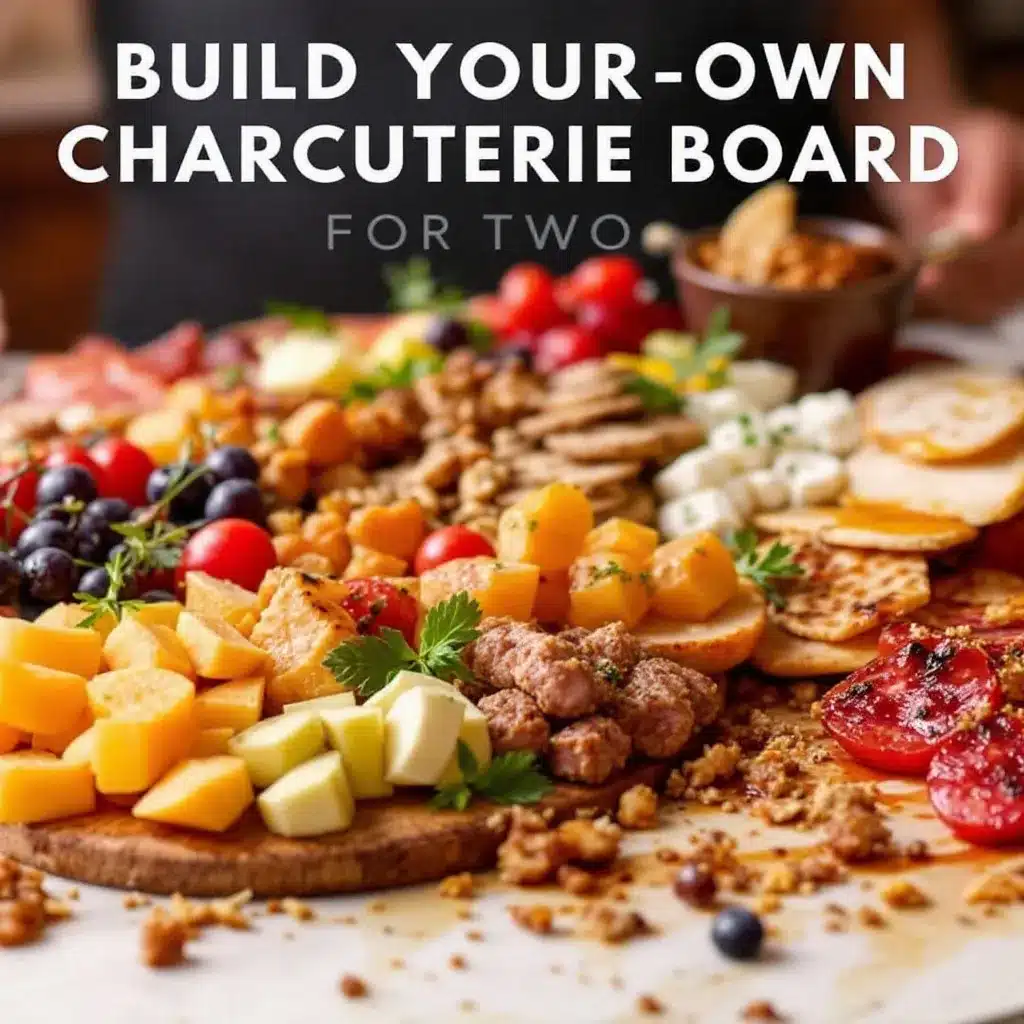
Building the board is a process of layering flavors and textures. Follow these steps to create a balanced and visually appealing spread.
- Prep the Cheese (5 minutes): Take your cheeses out of the refrigerator at least 30 minutes before serving. Cold cheese has muted flavors. Cut the hard cheese into cubes or slices. For the soft cheese, you can leave it whole or cut it into wedges. (Sensory cue: The cheese should feel slightly yielding to the touch.)
- Arrange the Bowls (2 minutes): Place your small bowls on the board first. Distribute them evenly to create anchors for your design. Fill them with olives, nuts, jams, or dips. This prevents the board from looking cluttered later. (Tip: Place bowls in a triangle formation for visual balance.)
- Place the Large Items (5 minutes): Add the larger cheeses and any whole fruits like apples or pears. Place them near the bowls you just set. This creates the foundation of the board. (Sensory cue: The apples should look crisp and fresh.)
- Add the Meats (5 minutes): Fold the prosciutto or ham into loose rosettes and place them on the board. For salami, lay the slices in a fan shape or roll them up. Don’t just lay them flat; create height and volume. (Warning: Handle cured meats gently to avoid tearing.)
- Fill in the Gaps (5 minutes): Scatter the crackers, grapes, and nuts in the empty spaces. Use grapes to fill small holes. Place crackers in clusters rather than individually. (Tip: Group similar items together for easier grazing.)
- Add the Finishing Touches (2 minutes): Drizzle a little honey over the cheese or fruit if desired. Add fresh herbs like rosemary or thyme for a pop of green. (Sensory cue: The herbs should smell fresh and aromatic.)
- Serve Immediately: Place the board on the table along with plates and utensils. Encourage your guest to start grazing while the wine is poured. (Time estimate: Total assembly time is about 20-25 minutes.)
Cooking Tips & Techniques
Creating a beautiful board is more about technique than cooking. Here are some professional tips to make your board look and taste better.
- Room Temperature is Key: Always serve cheese at room temperature. Cold cheese is hard and flavorless. Take it out 30-60 minutes before serving. This is the most common mistake people make.
- Texture Contrast: Aim for a mix of hard, soft, creamy, and crunchy textures. If you have only soft cheeses, add more nuts or crackers for crunch. If you have only hard cheeses, add fresh fruit for moisture.
- Color Balance: Use the color wheel to your advantage. Green (olives, grapes, herbs) contrasts well with red (meats, apples) and white (cheese, crackers). A colorful board is more inviting.
- Don’t Overcrowd: Leave some negative space on the board. It makes the food look more abundant and easier to navigate. A cluttered board looks messy.
- Prep Ahead: You can cut the cheese and wash the fruit an hour before. Keep them covered in the fridge until the last minute. This reduces stress right before serving.
I once made the mistake of putting all the wet items, like olives and jams, directly on the board. The crackers got soggy within minutes. Always use bowls for wet items. Also, don’t skimp on the crackers. They are the vehicle for the cheese and meat. If you run out of crackers, the experience is ruined.
Variations & Adaptations
This recipe is highly adaptable. Here are three ways to customize it based on your preferences or dietary needs.
- Vegetarian Option: Skip the cured meats and replace them with roasted vegetables like artichoke hearts, sun-dried tomatoes, or marinated zucchini. Add hummus or baba ganoush in the bowls for a protein boost.
- Gluten-Free Option: Swap standard crackers for rice crackers, corn chips, or gluten-free breadsticks. Ensure your nuts and meats are certified gluten-free to avoid cross-contamination.
- Sweet Tooth Variation: Focus on dessert flavors. Add dark chocolate squares, strawberry jam, honey, and fresh berries. Replace the savory cheeses with a sweet ricotta or mascarpone. This works great as a dessert board.
You can also adjust the protein. If you prefer poultry, try turkey pastrami or chicken breast slices. For a seafood twist, add smoked salmon and cream cheese. I once tried adding pickled onions to a board, and the acidity cut through the richness of the cheese perfectly. Don’t be afraid to experiment with flavors you enjoy. The goal is to create a board that *you* love, not just one that looks good online.
Serving & Storage Suggestions
Serve this board immediately after assembly. Cheese tastes best when it is fresh and at the right temperature. Pair it with a crisp white wine, like a Sauvignon Blanc, or a light red, like a Pinot Noir. If you prefer non-alcoholic options, sparkling water with lemon or iced tea works well.
Storage:
- Cheese: Wrap any leftover cheese in parchment paper or wax paper, then place it in an airtight container. This allows the cheese to breathe while preventing it from drying out.
- Meats: Store cured meats in their original packaging or an airtight container in the fridge. They will last for up to a week.
- Fruit: Keep fresh fruit in the fridge until ready to serve. Wash grapes right before serving to prevent mold.
Flavors develop over time. The cheese will absorb the flavors of the surrounding items if left out too long. It is best to eat the board within 1-2 hours of assembly. If you have leftovers, the meats and hard cheeses are great for lunch the next day. Just avoid storing soft cheeses with strong-smelling foods, as they will absorb the odors.
Nutritional Information & Benefits
A charcuterie board for two is a balanced meal in terms of macronutrients. It provides protein from the meats and cheeses, healthy fats from the nuts and olive oil (if used), and carbohydrates from the crackers and fruit.
- Protein: High-quality protein from cheese and cured meats helps keep you full and satisfied.
- Fats: Healthy fats from nuts and olive oil support heart health and brain function.
- Carbohydrates: Fruit and crackers provide energy. Choose whole-grain crackers for added fiber.
Be mindful of sodium levels in cured meats and cheeses. If you are watching your salt intake, opt for fresh cheeses like mozzarella or ricotta, and lean meats like turkey. This board is naturally gluten-free if you choose the right crackers. It is also suitable for low-carb diets if you swap crackers for cucumber slices or bell pepper strips. Personally, I find this board to be a mindful way to eat, as it encourages slow grazing and appreciation of flavors rather than rapid consumption.
Conclusion
This Easy Build-Your-Own Charcuterie Board for Two is worth trying because it transforms a simple snack into a memorable experience. It is easy, flexible, and delicious. I encourage you to customize it based on your preferences. Add your favorite jam, swap the cheese, or try a different type of nut. The key is to have fun with it.
I love this recipe because it takes the pressure off cooking. It allows us to connect without being stuck in the kitchen. It’s a small ritual that brings joy to our weeknights. If you try this, I’d love to hear how it goes. Leave a comment below with your favorite combination. Share your photos on social media and tag me. Happy grazing!
Frequently Asked Questions
How many types of cheese should I put on a charcuterie board for two?
For two people, three types of cheese are ideal. This provides variety without overwhelming the palate. Choose one hard, one soft, and one blue cheese for a balanced flavor profile.
Can I make a charcuterie board ahead of time?
Yes, you can prep most ingredients a few hours in advance. Cut the cheese and wash the fruit. However, assemble the board just before serving to keep the crackers crisp and the cheese at the right temperature.
What drinks pair best with a charcuterie board?
Wine is the classic choice. A crisp white wine like Sauvignon Blanc or a light red like Pinot Noir works well. Non-alcoholic options include sparkling water with citrus, iced tea, or kombucha.
How do I store leftover charcuterie board items?
Store cheeses in parchment paper and an airtight container. Keep meats in their original packaging. Store fruits and crackers separately to maintain freshness. Consume leftovers within 3-4 days.
Can I make this board vegetarian?
Absolutely. Replace the cured meats with roasted vegetables, marinated tofu, or additional cheeses. Add hummus or bean dips for protein. The structure of the board remains the same.
Pin This Recipe!
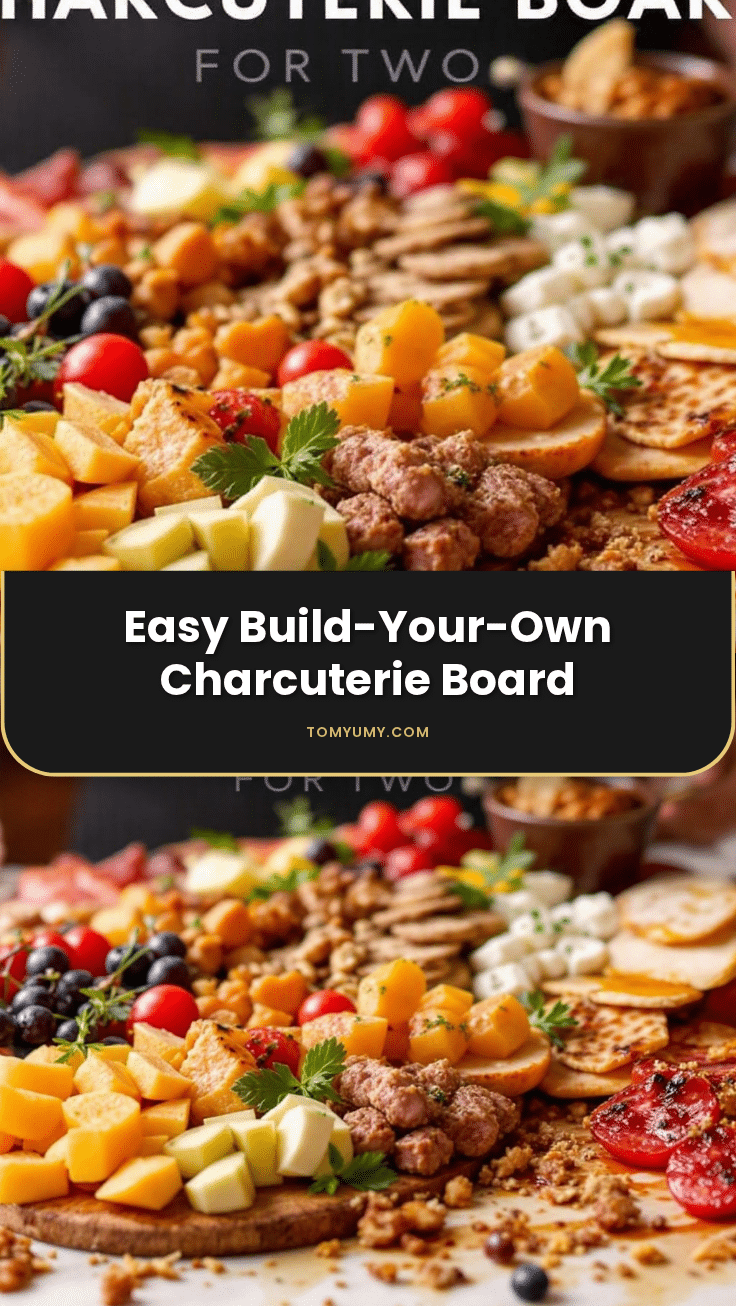
Easy Build-Your-Own Charcuterie Board for Two

A curated, intimate charcuterie board designed specifically for two people, featuring a balance of cured meats, cheeses, fruits, and crackers for a stress-free date night or cozy evening.
- Prep Time: 20 minutes
- Cook Time: 0 minutes
- Total Time: 20 minutes
- Yield: 2 servings
- Category: Appetizer
- Cuisine: International
Ingredients
- Hard Cheese (e.g., Aged Cheddar or Manchego), sliced or cubed
- Soft Cheese (e.g., Brie or Camembert), 3-4 ounces
- Blue Cheese (e.g., Gorgonzola Dolce or Stilton), crumbled
- Cured Meat (e.g., Prosciutto or Serrano Ham), thinly sliced
- Dry Cured Sausage (e.g., Salami or Sopressata), sliced into coins
- Crackers (e.g., Water Crackers, Baguette slices, or Pretzel crisps)
- Fresh Fruit (e.g., Grapes, Apple slices, or Figs)
- Dried Fruit (e.g., Apricots or Cranberries)
- Nuts (e.g., Almonds, Walnuts, or Pistachios)
- Olives (e.g., Kalamata or Green Olives)
- Condiments (e.g., Whole grain mustard, Fig jam, or Honey)
Instructions
- Take cheeses out of the refrigerator at least 30 minutes before serving to allow them to reach room temperature.
- Cut hard cheeses into cubes or slices; leave soft cheese whole or cut into wedges.
- Place small bowls on the board first, distributing them evenly to create anchors. Fill with olives, nuts, jams, or dips.
- Add larger cheeses and whole fruits (like apples or pears) near the bowls to create the foundation.
- Fold prosciutto or ham into loose rosettes and place on the board. Fan or roll salami slices to create height and volume.
- Scatter crackers, grapes, and nuts in the empty spaces. Group similar items together for easier grazing.
- Drizzle honey over cheese or fruit if desired, and add fresh herbs like rosemary or thyme for garnish.
- Serve immediately with small plates and utensils.
Notes
Always serve cheese at room temperature for best flavor. Use bowls for wet items like olives and jams to prevent crackers from getting soggy. Leave negative space on the board for a cleaner look. If watching sodium, opt for lower-sodium deli meats or fresh cheeses.
Nutrition
- Serving Size: 1 serving per person
- Calories: 450
- Sugar: 8
- Sodium: 850
- Fat: 28
- Saturated Fat: 12
- Carbohydrates: 25
- Fiber: 2
- Protein: 18
Keywords: charcuterie board, date night, appetizer, cheese board, cured meats, easy entertaining, grazing board, wine pairing