It took about five minutes of staring at a lemon for that assumption to fall apart completely. I had just come home from a day that felt like it was moving in slow motion, and the last thing I wanted was a sink full of pots. The recipe promised “quick,” “easy,” and “healthy.” Those are usually the three words that precede a disaster involving burnt garlic and raw fish.
But honestly, watching the salmon fillets sizzle in their own juices with the herbs was oddly calming. The kitchen filled with this bright, sharp scent that cut through the usual stale air of a Tuesday evening. It wasn’t complicated. It didn’t require a degree in culinary arts. It just required patience and a sheet pan.
The first bite was the real test. I expected something dry, the kind you get at those fast-casual places where the fish is always a little overcooked. Instead, it flaked apart with zero resistance. The lemon zest had infused into the oil, creating this glossy coating that made every piece taste like it came from a fancy restaurant. I know, I know, it’s just salmon. But it was the kind of simple that actually works.
I didn’t tell anyone it was one-pan. I just set it down and let them dig in. The look on my partner’s face said it all. No fuss, no stress, just dinner. That’s the kind of weeknight win that sticks with you, you know? It’s not about impressing anyone; it’s about getting something good on the table without the guilt of cleaning up later.
If you’re skeptical about the “one-pan” hype, give this a shot. You might just find that your weeknights get a little lighter, and your dinner table gets a lot more interesting. It’s a quiet kind of magic, really.
Why You’ll Love This Recipe
This isn’t just another fish recipe that ends up tasting like the ocean floor. I’ve tested enough salmon dishes to know the difference between a quick fix and a genuine keeper. This version hits that sweet spot where flavor meets convenience without sacrificing quality. Here is why this Quick One-Pan Lemon Herb Salmon belongs in your regular rotation:
- Quick & Easy: From prep to plate, this takes less than 25 minutes. It is perfect for those nights when you are tired but still want to eat something decent. No complicated techniques or hours of marinating required.
- Simple Ingredients: You likely have everything in your kitchen right now. Fresh herbs, a lemon, olive oil, and salmon. No obscure spices or trips to three different specialty stores. It’s pantry-friendly and stress-free.
- Perfect for Weeknights: This is the ultimate solution for busy schedules. Whether you have kids running around or just need a quiet meal, this comes together fast enough to keep your sanity intact.
- Crowd-Pleaser: Even people who claim they “don’t like fish” tend to love this. The bright lemon and savory herbs mask any “fishy” taste, making it approachable for picky eaters and adults alike.
- Unbelievably Delicious: The texture is key here. The salmon stays moist and flaky, while the herbs get slightly toasted in the oven. It’s a flavor combo that feels elevated but is actually very humble.
What makes this different from the rest? It’s the balance. Most recipes overload on acid or salt, but this one lets the natural sweetness of the salmon shine. The lemon isn’t overpowering; it’s a whisper that lifts the whole dish. I’ve made this so many times that I can do it blindfolded, and it still turns out perfectly. It’s comfort food that doesn’t weigh you down. It’s the kind of meal that makes you feel good about yourself for making it, not just for eating it.
What Ingredients You Will Need
This recipe relies on the quality of a few key components to deliver that restaurant-style taste. Since there is so little going on, every ingredient plays a major role. I recommend using fresh herbs if you can find them, but dried works in a pinch. Here is what you need to get started:
- Salmon Fillets: Aim for about 1.5 to 2 pounds of center-cut fillets. Center-cut is best because the pieces are uniform in thickness, which helps them cook evenly. Look for bright red or orange flesh that smells fresh, not fishy. (I prefer wild-caught Alaskan salmon for its firmer texture, but farmed works too if you prefer a richer flavor.)
- Fresh Lemon: You will need two lemons. One for the juice and one for the zest. The zest contains the essential oils that give the dish its aromatic punch. (Use an organic lemon if possible, since we are eating the skin.)
- Fresh Herbs: Fresh dill and parsley are the classic pairing here. Dill adds that signature grassy, slightly anise-like note that screams “salmon.” Parsley adds a fresh, peppery finish. (If you don’t have fresh, use 1 teaspoon of dried dill and 1 tablespoon of dried parsley.)
- Extra Virgin Olive Oil: This is your cooking fat and flavor carrier. Use a good quality oil with a fruity flavor profile. (Avoid extra-light olive oil; you want the flavor to come through.)
- Garlic: Two cloves, minced finely. Garlic adds a savory depth that balances the acidity of the lemon. (Fresh garlic is non-negotiable here; pre-minced jarred garlic has a metallic taste that ruins the dish.)
- Butter: Two tablespoons of unsalted butter, melted. This adds a richness that olive oil alone can’t provide. (For a dairy-free option, swap this for additional olive oil or vegan butter.)
- Kosher Salt: About 1 teaspoon. Kosher salt is easier to control than table salt because it doesn’t clump. (If using table salt, reduce to ½ teaspoon.)
- Black Pepper: Freshly cracked black pepper to taste. About ½ teaspoon. (Always use fresh cracked pepper; pre-ground pepper loses its potency quickly.)
- Red Pepper Flakes (Optional): A pinch if you like a little heat. (This adds a subtle background warmth that contrasts nicely with the cool lemon.)
Keep it simple. Don’t overcomplicate the ingredient list. The beauty of this dish is in its transparency. You can taste every single component, so make sure they are fresh and high-quality.
Equipment Needed
You don’t need a fancy kitchen to make this work. A standard home setup is all you need. Here is what you’ll require:
- Large Sheet Pan: A standard 13×18 inch rimmed baking sheet is ideal. (If you don’t have one, a large roasting pan works too, but the edges help contain the juices.)
- Parchment Paper: Lining your pan is a game-changer. It prevents sticking and makes cleanup a breeze. (I always use parchment; it’s worth the extra few cents.)
- Small Mixing Bowl: For whisking the oil, lemon juice, and herbs together.
- Zester or Microplane: To get fine lemon zest without the bitter white pith. (A regular grater works, but be careful to avoid the white part.)
- Knife and Cutting Board: For mincing garlic and prepping lemons.
I’ve tried using silicone mats before, but they don’t conduct heat quite the same way as parchment, and sometimes the salmon sticks. Parchment is reliable. Also, make sure your sheet pan is large enough to hold the fillets in a single layer. If they are crowded, they will steam instead of bake, and you won’t get that nice texture. If you have to cook in two batches, do it. Don’t skip this step.
Preparation Method
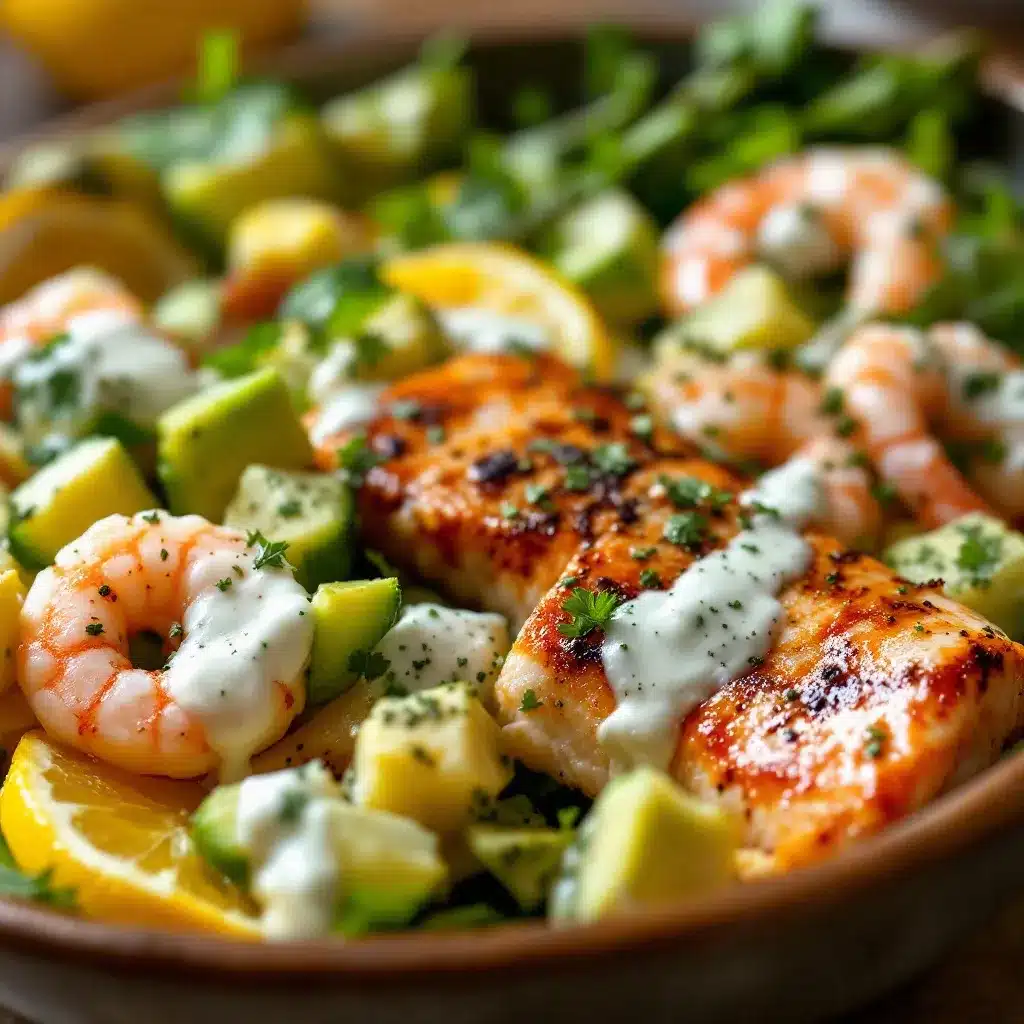
Let’s get into the nitty-gritty. This process is straightforward, but attention to detail matters. Follow these steps closely for the best results.
- Preheat the Oven: Set your oven to 400°F (200°C). (Time: 5 minutes) Make sure the oven is fully preheated before the salmon goes in. An underheated oven will result in dry fish.
- Prepare the Pan: Line your large sheet pan with parchment paper. Lightly brush the parchment with a little olive oil to prevent the salmon from sticking, even though the parchment helps. (Time: 2 minutes)
- Prep the Salmon: Pat the salmon fillets dry with paper towels. (This is crucial! Moisture is the enemy of good searing and flavor absorption.) Season both sides lightly with salt and pepper. Set aside on a plate. (Time: 3 minutes)
- Make the Marinade: In a small mixing bowl, combine 3 tablespoons of extra virgin olive oil, the juice of one lemon (about 2 tablespoons), the zest of the other lemon, 2 minced garlic cloves, 1 tablespoon of chopped fresh dill, 1 tablespoon of chopped fresh parsley, and a pinch of red pepper flakes. Whisk until emulsified. (Time: 2 minutes)
- Combine: Place the salmon fillets on the prepared sheet pan. Pour the herb-lemon mixture over the fillets, making sure to coat them evenly. Use a spoon to baste the tops with the mixture. (Time: 2 minutes)
- Bake: Place the sheet pan in the preheated oven. Bake for 12-15 minutes. (Time: 12-15 minutes) The exact time depends on the thickness of your fillets. A general rule is 10 minutes per inch of thickness.
- Check for Doneness: The salmon is done when it flakes easily with a fork and reaches an internal temperature of 145°F (63°C). (I prefer it at 135°F for a moister result, as it will continue to cook slightly after removal.) The flesh should be opaque and pink, not translucent.
- Rest and Serve: Remove from the oven and let it rest for 2-3 minutes. This allows the juices to redistribute. Garnish with a sprinkle of fresh herbs and a wedge of lemon. (Time: 3 minutes)
Don’t overcook it! It’s the most common mistake. Salmon continues to cook after it’s out of the oven, so pull it when it’s just barely done. It should still have a slight jiggle in the center. If it’s firm all the way through, it’s overdone.
Cooking Tips & Techniques
I’ve learned a few hard lessons along the way, mostly involving dry salmon and burnt garlic. Here is how to avoid those pitfalls:
- Pat Dry: I cannot stress this enough. Wet salmon steams. Dry salmon bakes. Use paper towels to remove as much surface moisture as possible before seasoning.
- Uniform Thickness: If your fillets vary in thickness, you can tuck under the thinner ends to create a more even shape. This ensures everything cooks at the same rate. (It’s a small trick that makes a big difference.)
- Watch the Garlic: Minced garlic can burn quickly at 400°F. To prevent this, make sure the garlic is dispersed in the oil mixture and not just sitting in a pile on top of the fish. The oil protects it from direct heat.
- Don’t Crowd the Pan: Air circulation is key. If you pack the fillets too tightly, they will steam in their own juices. Give them a little space. If you have a large family, cook in two batches.
- Use a Thermometer: A digital instant-read thermometer is your best friend. It takes the guesswork out of doneness. Insert it into the thickest part of the fillet. (I keep one in my kitchen drawer at all times.)
Another tip: If you like a bit of char, you can broil for the last 1-2 minutes. Keep a close eye on it, as broilers vary in intensity. The sugars in the lemon can brown quickly, so don’t walk away.
Variations & Adaptations
This recipe is a canvas. Once you master the base, you can play with flavors to suit your mood or what you have on hand.
- Asian-Inspired: Swap the lemon and herbs for a glaze of soy sauce, ginger, sesame oil, and a touch of honey. Top with sliced green onions and sesame seeds. (This pairs beautifully with steamed rice.)
- Mediterranean Twist: Add cherry tomatoes and sliced kalamata olives to the pan before baking. The tomatoes burst and create a savory sauce that is incredible with the fish. (Add a sprinkle of feta cheese after baking for extra tang.)
- Spicy Kick: Increase the red pepper flakes and add a dash of cayenne pepper to the marinade. (This is great if you like a bit of heat to cut through the richness of the fish.)
- Dairy-Free: Simply omit the butter in the marinade and use extra olive oil. The dish remains moist and flavorful without the dairy. (Many people prefer this for a cleaner taste.)
- Gluten-Free: This recipe is naturally gluten-free. Just ensure your soy sauce (if using variations) is tamari or a gluten-free alternative. (It’s a safe bet for most dietary needs.)
I’ve tried the Mediterranean version with tomatoes, and it’s a personal favorite. The tomatoes add a sweetness that balances the salty olives. It’s a nice change from the classic lemon-herb profile but still keeps the spirit of the dish.
Serving & Storage Suggestions
How you serve this dish can elevate it from a simple meal to a complete experience. Here are some ideas:
- Side Dishes: This salmon pairs well with light, fresh sides. A simple arugula salad with lemon vinaigrette, roasted asparagus, or quinoa pilaf are excellent choices. (I often serve it with garlic mashed potatoes for a heartier meal.)
- Beverage Pairing: A crisp white wine like Sauvignon Blanc or Pinot Grigio complements the citrus notes perfectly. (Non-alcoholic sparkling water with lemon also works well.)
- Storage: Store leftovers in an airtight container in the refrigerator for up to 2 days. (The fish will absorb the marinade flavors further, which is nice.)
- Reheating: Reheat gently in a 300°F oven for 10 minutes or in the microwave at low power. (Avoid high heat, as it will dry out the fish.)
- Freezing: You can freeze cooked salmon, but the texture may change slightly. It’s best eaten fresh. (If you must freeze, wrap tightly in plastic and foil.)
The flavors actually develop over time, so the leftovers often taste better the next day. Just make sure to reheat it gently to maintain that flaky texture.
Nutritional Information & Benefits
This Quick One-Pan Lemon Herb Salmon is not just delicious; it’s good for you too. Salmon is a powerhouse of omega-3 fatty acids, which are essential for heart and brain health. (It’s one of the best sources of anti-inflammatory fats.)
Here is a rough estimate per serving (based on 4 servings):
- Calories: ~350
- Protein: ~30g
- Fat: ~25g (mostly healthy monounsaturated and omega-3 fats)
- Carbohydrates: ~2g
- Fiber: ~0.5g
It is naturally low-carb and gluten-free, making it suitable for various dietary preferences. The lemon provides a good dose of Vitamin C, which aids in iron absorption from the fish. (It’s a nutrient-dense meal that keeps you feeling satisfied without the crash.)
I love that this recipe supports a healthy lifestyle without feeling restrictive. It’s nourishing and delicious, which is the best combination for long-term health.
Conclusion
This Quick One-Pan Lemon Herb Salmon is a testament to the power of simplicity. It proves that you don’t need complicated techniques or hours of prep to make something incredible. It’s fast, it’s healthy, and it’s genuinely delicious. I hope you give it a try on your next busy weeknight.
Feel free to customize it with your favorite herbs or sides. Cooking should be fun and flexible, not rigid. I’d love to hear how it turns out for you. Leave a comment below with your thoughts or any variations you tried. (Sharing your experiences helps everyone in the community.)
Happy cooking! May your kitchens be warm and your meals be satisfying. If you enjoyed this, you might also like trying crispy bacon-wrapped asparagus as a perfect side dish to complement the salmon.
Frequently Asked Questions
Can I use frozen salmon for this recipe?
Yes, you can, but it’s important to thaw it completely first. Pat it very dry to remove any excess moisture. Frozen salmon can release more water, so you may need to adjust the cooking time slightly.
How do I know when the salmon is done without a thermometer?
Look for opacity. The flesh should turn from translucent to opaque pink. You can also gently press the top with a fork; if it flakes easily along the white lines (flakes), it is done.
Can I add vegetables to the pan?
Absolutely. Asparagus, broccoli, or zucchini work well. Just note that some vegetables may take longer to cook than the salmon. You might need to add them halfway through the cooking time or cut them into small pieces.
What is the best way to store leftovers?
Store in an airtight container in the refrigerator for up to 2 days. Reheat gently in the oven or microwave to avoid drying out the fish.
Can I make this in an air fryer?
Yes, this recipe works great in an air fryer. Cook at 400°F for 8-10 minutes, checking for doneness earlier since air fryers cook faster. The texture will be slightly crispier on the outside.
Pin This Recipe!
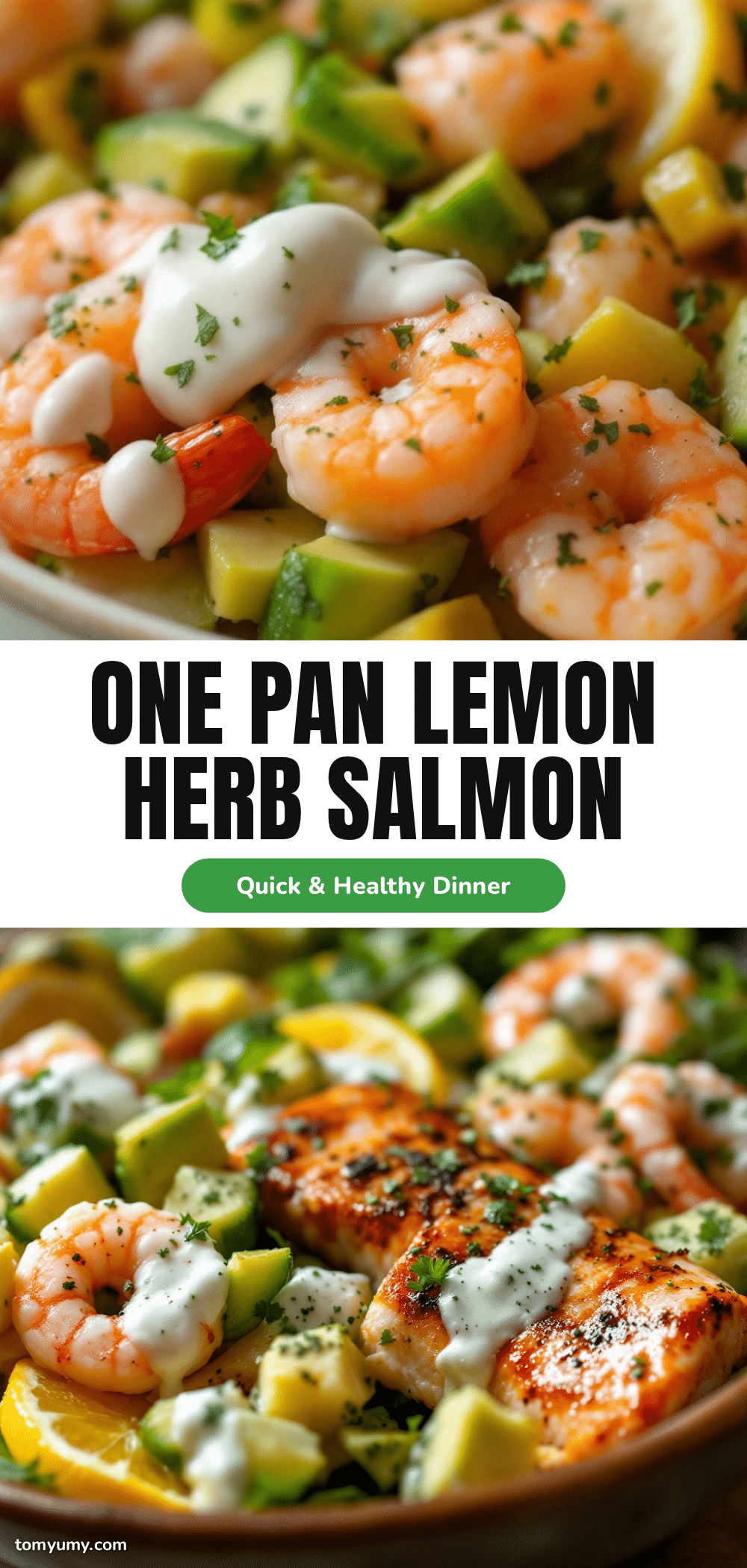
Quick One-Pan Lemon Herb Salmon
A simple, healthy, and delicious weeknight dinner featuring salmon fillets baked with lemon, herbs, and garlic on a single sheet pan.
- Prep Time: 10 minutes
- Cook Time: 15 minutes
- Total Time: 25 minutes
- Yield: 4 servings 1x
- Category: Main Course
- Cuisine: American
Ingredients
- 1.5 to 2 pounds center-cut salmon fillets
- 2 lemons (one for juice, one for zest)
- 1 tablespoon fresh dill, chopped
- 1 tablespoon fresh parsley, chopped
- 3 tablespoons extra virgin olive oil
- 2 tablespoons unsalted butter, melted
- 2 cloves garlic, minced
- 1 teaspoon kosher salt
- 1/2 teaspoon freshly cracked black pepper
- Pinch of red pepper flakes (optional)
Instructions
- Preheat oven to 400°F (200°C).
- Line a large 13×18 inch rimmed baking sheet with parchment paper and lightly brush with olive oil.
- Pat salmon fillets dry with paper towels and season both sides with salt and pepper.
- In a small bowl, whisk together olive oil, lemon juice, lemon zest, minced garlic, dill, parsley, and red pepper flakes.
- Place salmon on the prepared pan and pour the herb-lemon mixture over the fillets, basting to coat evenly.
- Bake for 12-15 minutes, or until salmon flakes easily with a fork and reaches an internal temperature of 145°F (63°C).
- Remove from oven and let rest for 2-3 minutes before serving.
Notes
Pat the salmon dry before seasoning to ensure proper baking rather than steaming. Do not overcrowd the pan; cook in batches if necessary. Salmon continues to cook after removal from the oven, so pull it when it is just barely done for a moister result. For a dairy-free version, substitute butter with additional olive oil.
Nutrition
- Serving Size: 1 fillet per serving
- Calories: 350
- Sugar: 0.5
- Sodium: 600
- Fat: 25
- Saturated Fat: 6
- Carbohydrates: 2
- Fiber: 0.5
- Protein: 30
Keywords: salmon, lemon herb salmon, one pan dinner, weeknight dinner, healthy fish recipe, quick dinner, gluten-free, low carb